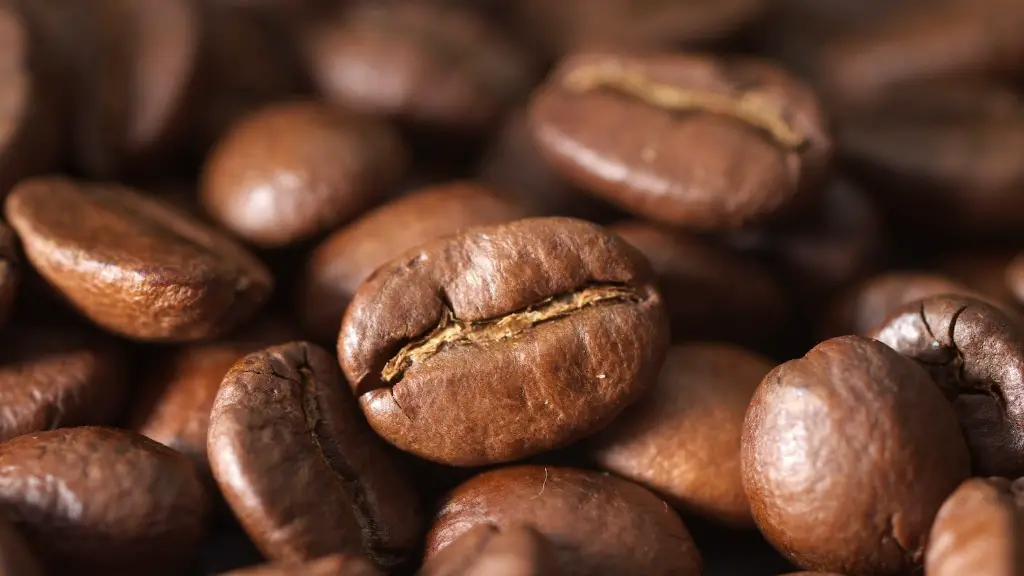
Decaffeinated coffee is coffee from which the caffeine has been removed. Decaffeinated coffee is produced using one of several methods. The most common method for decaffeinating coffee is called the Swiss water method.
Coffee beans are decaffeinated in one of two ways: The Swiss water process or the direct process.
The Swiss water process begins with green coffee beans that are soaked in water until they become soft. The water is then filtered, and the beans are removed. This process of filtering and removing the beans is repeated several times until most of the caffeine is removed from the water. The water is then returned to the beans, reabsorbing flavor and other compounds that were removed during the decaffeination process. The beans are then dried and ready for packaging.

The direct process begins with green coffee beans that are soaked in a solvent to extract the caffeine. The beans are then rinsed with water to remove the solvent. This process is repeated several times until most of the caffeine is removed from the beans. The beans are then dried and ready for packaging.
Are coffee beans naturally decaffeinated?
Coffee beans naturally contain caffeine, which is a stimulant. However, the beans can be processed to remove most of the caffeine, creating a drink that can be enjoyed at night without losing sleep.
Decaf coffee can have many of the same health benefits as regular coffee. This is because coffee has many different substances in it – not just caffeine – that can positively affect health. These various substances can have anti-inflammatory and antioxidant effects, which can be beneficial for overall health.
How do they naturally decaffeinate coffee
Carbon dioxide is a popular solvent for extracting caffeine from coffee beans because it has a relatively low pressure critical point. This means that the carbon dioxide can be easily pressurized to extract the caffeine without damaging the beans. The caffeine-rich carbon dioxide exiting the extraction vessel is either channeled through a bed of activated charcoal or through a water ‘bath’ tower to absorb the caffeine.
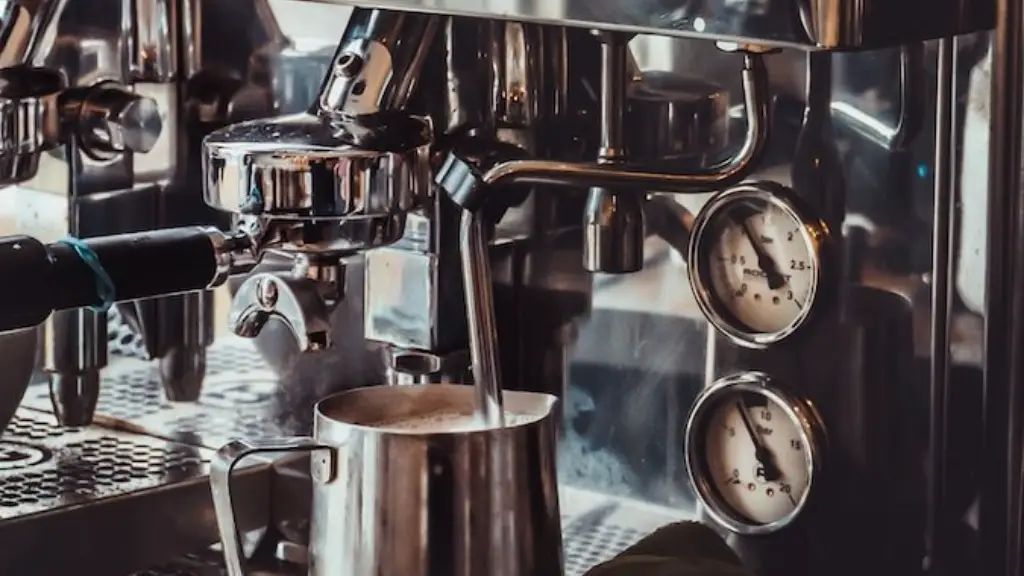
The Swiss Water process is a decaffeination method that was invented in Switzerland. It uses only coffee, water, time, and temperature to decaffeinate coffee. That means it is 100% chemical free!
Are decaf coffee beans genetically modified?
Decaf coffee is made from the same coffee beans as regular coffee. The difference is that the beans have had the caffeine removed. There are no plantations of genetically-modified coffee bushes that grow special decaf beans.
These findings suggest that chronic consumption of 5 cups decaffeinated coffee per day may have a small but significant impact on blood pressure and heart rate in normotensive individuals. These effects should be considered when making decisions about coffee consumption.
Is it OK to drink decaf coffee everyday?
Decaffeinated coffee is safe for you to consume, just like any other coffee. The decaffeination process is also safe, so there’s no need to worry about that. However, it’s important to remember that coffee, in general, is a calorie-dense drink, so if you’re trying to watch your weight, you might want to limit your intake of decaf coffee.

Decaf coffee may help people who are sensitive to caffeine. Decaf coffee has less caffeine than regular coffee. This can help people who have trouble sleeping, are restless, have heart palpitations, or high blood pressure.
Which is healthier caffeinated or decaffeinated coffee
Coffee is one of the most popular beverages in the world and it is also one of the healthiest. Regular coffee consumption has been linked with numerous health benefits, including improved mental health, increased metabolic rate, enhanced athletic performance, and a lower risk of liver damage. While these benefits do not necessarily apply to decaf coffee, it is still a healthy choice for those who do not want the caffeine.
Decaf coffee is often thought to be a healthier alternative to regular coffee, but it is important to be aware of the potential side effects associated with its excessive consumption. Decaf coffee may cause heart complications by increasing bad cholesterol levels, aggravate rheumatoid arthritis and acidity, interfere with iron absorption, and cause headaches and drowsiness. While moderate consumption of decaf coffee is generally safe, it is important to be aware of these potential side effects and drink in moderation.
What is the safest decaffeination process?
When it comes to decaffeinated coffee, it is important to choose organic coffee in order to avoid any potential exposure to harmful solvents. The only way to be sure that your coffee has not been exposed to any of these solvents is to choose organic coffee that has been decaffeinated using the Swiss Water Process or a Supercritical extraction.
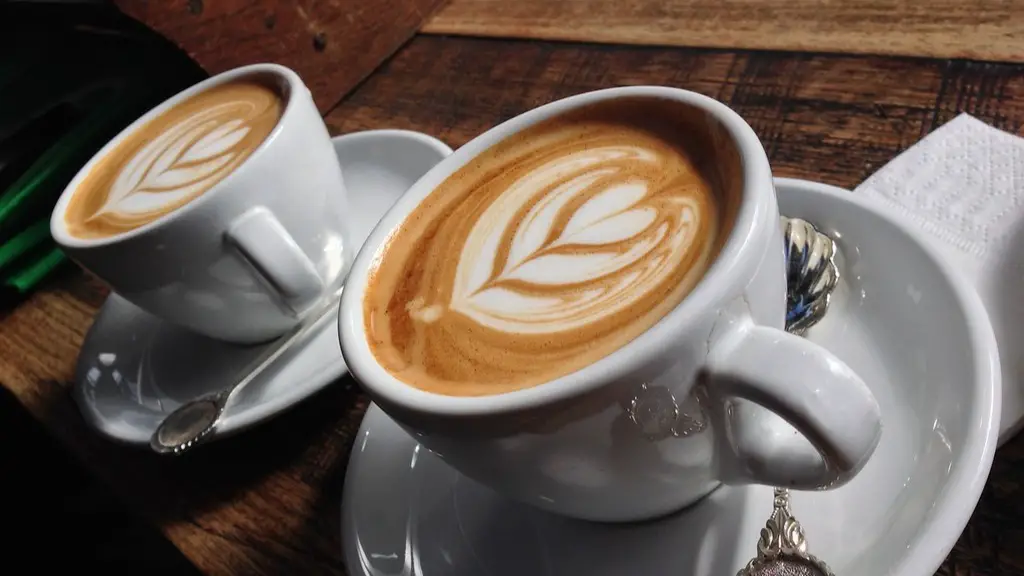
The Swiss Water Process is the best method for removing caffeine from coffee beans because it uses zero chemicals in the decaffeination process. Instead, the Swiss Water method uses water to remove 999% of caffeine from coffee beans.
Is all decaf coffee chemically processed
There are many brands of decaf coffee on the market, and not all of them use chemicals in the decaffeination process. Some brands rely on natural methods (such as water or steam) to remove the caffeine from the beans, while others use chemicals. If you are concerned about chemicals in your coffee, be sure to check the label to see how the coffee was decaffeinated.
Yes, Starbucks does use chemicals in making decaffeinated coffee. The most common method used is called the methylene chloride process. This involves using a solvent to remove the caffeine from the coffee beans.
Which coffee is naturally decaffeinated?
We have discovered a naturally decaffeinated Coffea arabica plant from Ethiopia, a species normally recognized for the high quality of its beans. This plant may provide a new source of decaffeinated coffee beans with all the taste and aroma of regular coffee, but without the caffeine.
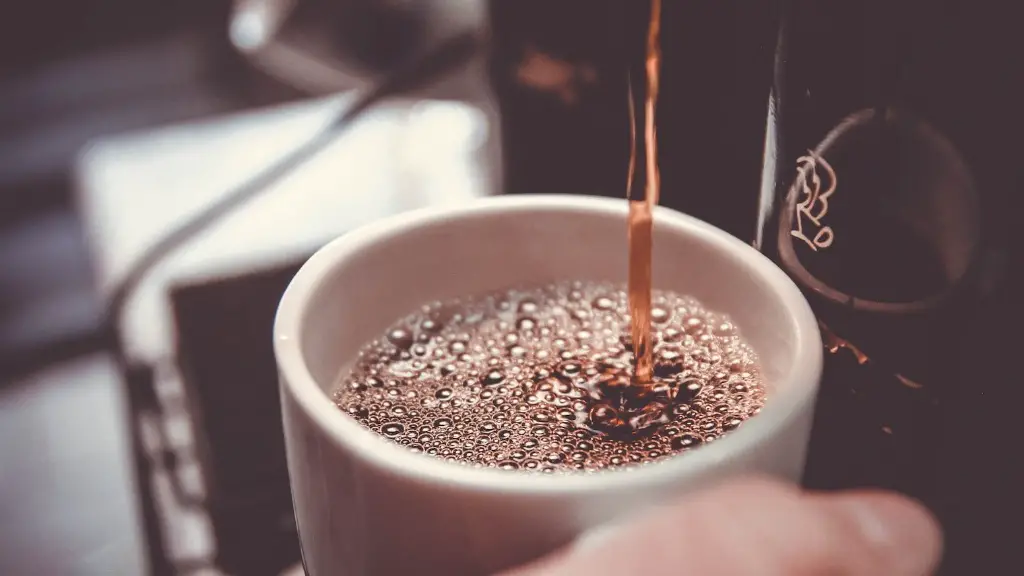
Decaf coffee tends to be darker in color and require a finer grind when making espresso. This is due to the roast of the coffee beans.
What is a fun fact about decaf coffee
Decaf coffee has a significantly lower amount of caffeine than regular coffee. Most decaf coffees contain only 2-20mg of caffeine per cup, while regular coffee can contain anywhere from 80mg to 300mg of caffeine per cup, depending on the bean used. This makes decaf coffee a good choice for those who are sensitive to caffeine or are trying to reduce their caffeine intake.
There is no need to feel guilty about indulging in your daily cup of coffee, as a new study has found that coffee may actually have a protective effect on the liver. The study, which was conducted by researchers at the University of South Carolina, looked at the link between coffee consumption and liver disease.
The results of the study, which were published in the journal Hepatology, found that coffee consumption was associated with a lower risk of liver disease, regardless of whether the coffee was caffeinated or decaffeinated. In fact, the study found that coffee appeared to offer a protective effect against liver disease, even when other risk factors, such as obesity, were taken into account.
So, whether you prefer your coffee black or with a splash of milk, it seems that any type of coffee may help to protect your liver.
Final Words
The most common method of decaffeinating coffee beans is called the Swiss Water Process. Coffee beans are soaked in water until they expand, and then the water is drained and replaced with fresh water. This process is repeated multiple times until the beans are 97% caffeine-free.
There are a few ways to decaffeinate coffee beans, but the most common is to use water. The coffee beans are soaked in water and then the water is removed, taking the caffeine with it. The coffee beans are then dried and roasted.