
The Effect of Drinking Coffee on Breastfeeding
Most mothers who are breastfeeding find themselves reaching for the coffee first thing in the morning, and it’s important to understand the potential risks associated with drinking coffee while breastfeeding. While it’s perfectly safe to consume coffee while breastfeeding, it’s important to know how it affects your baby and what precautions you should take.
Caffeine is a stimulant, and it passes through the mother’s bloodstream into the baby’s, which can have an effect on the baby’s sleep patterns, mood and growth. While moderate amounts of caffeine are thought to be safe, the American Academy of Pediatrics recommends that caffeine intake while breastfeeding should not exceed 500 mg per day, which is the equivalent of four 8-ounce cups of coffee.
It is also important to consider how long your body takes to metabolize caffeine. Caffeine can stay in your system for as long as six hours after consuming it. Knowing this, you may want to take into account when your baby will nurse, and how it could potentially be affected by your caffeine consumption.

Research suggests that although caffeine from the mother’s bloodstream does pass into the baby’s, it does not appear to have any adverse effects on healthy, full-term infants. However, premature or sick babies whose immature systems are not yet able to metabolize caffeine may be more vulnerable to its effects.
It is also important to understand that even moderate doses of caffeine can affect the quality and amount of breast milk produced as well as disrupt normal sleep patterns in some babies.
If you do choose to drink coffee while breastfeeding, it is important to discuss it with your doctor. They may recommend that you wait a certain amount of time between drinking coffee and breastfeeding. This will vary depending on the amount of caffeine you’ve consumed, your baby’s size and health, and your own biology.
Minimizing the Effects of Caffeine on Your Baby
If you are drinking coffee and breastfeeding, there are several things you can do to minimize the effects of caffeine on your baby.
- Drink decaffeinated coffee instead
- Alternate feedings between caffeinated and decaf brews
- Consume caffeine an hour or two before nursing
- Reduce your caffeine intake as much as possible
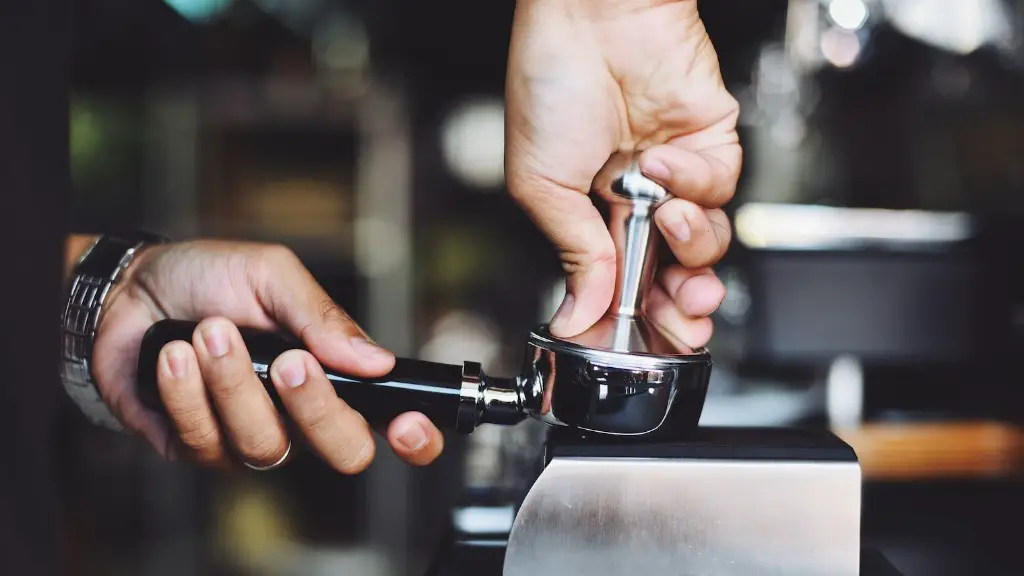
These suggestions can help prevent your baby from getting too much caffeine and disrupting their sleep or feeding patterns.
How to Monitor Your Baby’s Response to Caffeine
If you do drink caffeinated coffee while breastfeeding, it’s important to be aware of how your baby is reacting. Even if there is no obvious effect, it could still be potentially disrupting their sleep patterns. Pay attention to your baby’s mood, energy levels, and sleep patterns.
If your baby is fussy, sleepy, or having trouble sleeping, these could all be signs that the caffeine is having an effect. Consider reducing your intake or talking to your doctor to discuss other options. It is also important to keep in mind that every baby is different and each one may respond differently to your coffee intake.
The Bottom Line
While moderate amounts of caffeine during breastfeeding is considered safe, it is important to pay attention to how your baby is responding. Talk to your doctor and keep track of how much caffeine you’re drinking and any potential effects it may be having on your baby. By doing this, you can help ensure your baby is getting the best possible nutrition from you.
Tips for Being Caffeine Conscious While Breastfeeding

If you’re planning on drinking coffee while breastfeeding, there are a few tips to help make sure you and your baby stay safe:
- Cut back on your caffeine intake as much as possible. The less caffeine you consume, the less likely it is to affect your baby.
- Always drink caffeinated beverages with meals. This will help regulate your caffeine intake and minimize the amount of caffeine that is passed to the baby.
- Do not drink coffee while pregnant. Excessive caffeine intake while pregnant can increase the risk of miscarriage, low birth weight, and other complications.
- Drink plenty of water. Caffeine is dehydrating, so make sure you are getting enough water to keep yourself hydrated.
Understanding The Different Effects of Caffeine On New and Older Babies
The amount of caffeine that passes from the mother’s bloodstream to the baby can vary, depending on the baby’s age. Newborns are more sensitive to caffeine than older babies, as their systems are not yet able to break the molecule down. Breast milk has about half the amount of caffeine that is found in the mother’s blood, but even small amounts of caffeine can affect a newborn’s sleep patterns, mood and development.
Older babies who are more than 6 months of age are better able to break down caffeine in their systems, so the amount that passes into their bodies is much less than it is in newborns. However, they can still be affected by excessive caffeine intake if their diets are not managed properly.
Conclusion
Drinking coffee while breastfeeding is safe in moderation but it’s important to talk to your doctor, monitor your baby’s reaction and know when to cut back. Understanding the effects that even moderate amounts of caffeine can have on babies can help moms make informed decisions about their caffeine intake while still providing their babies with the nutrients they need.
