
Food poisoning is a common medical affliction that can cause a wide range of unpleasant symptoms and even long-term health complications. Caffeine is a widely consumed drug, and many people have questions about whether it is safe to drink coffee after experiencing food poisoning. The answer to this question can vary widely depending on the individual’s condition and the severity of the food poisoning. It is important to consult with a physician if you are uncertain about drinking coffee after food poisoning.
Understanding Food Poisoning and Caffeine
Food poisoning is typically caused by consuming contaminated food or drink. This can be caused by poorly stored food, poorly cooked food, or food that has been handled by an individual with poor hygiene. Symptoms of food poisoning range from mild gastrointestinal issues, such as nausea, vomiting, and diarrhea, to more serious issues, such as fever, fatigue, and difficulty breathing.
Caffeine is a stimulant drug, found in certain foods and beverages, including coffee, tea, energy drinks, and chocolate. As a stimulant, caffeine increases alertness and reduces fatigue, but it also has some effects on the gastrointestinal system, such as increased stomach acid production and constricting the muscles at the base of the stomach.
Drinking Coffee After Food Poisoning: How Long Should You Wait?
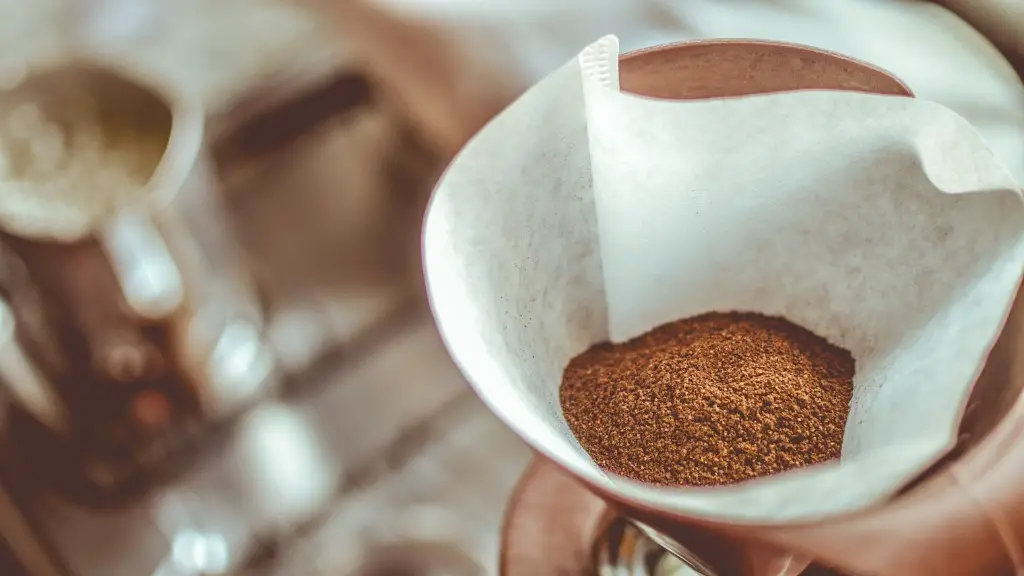
Given the nature of food poisoning and caffeine, the best answer to the question of whether or not it is safe to drink coffee after experiencing food poisoning is to wait at least a few days. This is because caffeine may aggravate the stomach and other GI organs, which could lead to additional symptoms and more severe problems when combined with food poisoning.
The duration of the wait can vary based on the individual’s overall health, the severity of the food poisoning, and the amount of caffeine consumed. Generally, it is best to wait at least several days before drinking coffee after food poisoning. If the individual is still experiencing severe symptoms after this timeframe, it is best to seek medical advice to ensure that the coffee consumption is safe.
Tips for Managing Coffee Consumption After Food Poisoning
When an individual has experienced food poisoning, there are several steps to take to ensure that coffee consumption does not cause further harm. First, remain hydrated, as dehydration can lead to additional health complications. Aim for at least 48 to 64 ounces of water or other fluids each day. Additionally, it is important to rest, as this can help the body heal. Finally, add fiber back in the diet slowly, as this can help regulate the digestion and reduce the chances of experiencing digestive disturbances.
It is also important to manage caffeine consumption if you are drinking coffee after food poisoning. Stick to decaf coffee and caffeine-free beverages until the individual is fully recovered. Additionally, limit the amount of coffee to a moderate amount, such as one 8 oz cup of coffee per day. This will ensure that you do not overload your system with stimulants while recovery is taking place.
Alternatives to Coffee After Food Poisoning
If you are unsure about drinking coffee after food poisoning, there are some alternatives that can still provide a boost of energy. Herbal tea is a safe option, as it does not contain caffeine or other stimulants. Additionally, some herbal teas may help soothe the stomach and promote digestion. Adaptogenic herbs, such as ginseng and ashwagandha, can help to reduce fatigue and boost energy levels.
Some adaptogenic herbs, such as maca root, have a natural taste similar to coffee. This can provide an energy boost similar to coffee and can be a helpful alternative for those who are avoiding caffeine after food poisoning.
Dietary Considerations for People With Food Poisoning
It is important to keep in mind that everyone’s digestive system is different and individual’s who have experienced food poisoning may have different nutritional needs. Generally, it is best to stick to a diet that is easy to digest and high in nutritional value. This may include soft cooked vegetables, soups, cooked grains, and lean proteins. Additionally, it is best to reduce the amount of fried and fatty foods, as these may be difficult to digest and can increase stomach discomfort.
It is also important to choose foods that do not contain added sweeteners or caffeine. While these ingredients may provide a temporary burst of energy, they can also be hard on the digestive system. Additionally, it is best to avoid processed, packaged foods, as they often contain artificial ingredients that can cause additional health problems.
Medications and Dietary Supplements for Food Poisoning

If an individual has experienced more severe food poisoning and is still experiencing symptoms, it is best to consult with a physician. Medical professionals can provide medications and dietary supplements that can help to reduce symptoms. This can include antibiotics, anti-nausea medications, probiotics, and other treatments.
Additionally, dietary supplements can be beneficial for individuals who have experienced food poisoning. Probiotics, for example, can help to restore healthy gut bacteria, reduce GI distress, and promote recovery. It is best to consult with a healthcare professional before taking any dietary supplements, as some supplements may interact with medication.
Tips for Prevention of Food Poisoning
The best way to reduce the likelihood of food poisoning is to practice food safety when preparing and eating food. This includes washing your hands with soap and water before and after handling food, cooking food to the appropriate temperature, and storing food properly. Additionally, it is best to avoid undercooked meat, unpasteurized milk and dairy, and foods that have been handled by people with poor hygiene.
Individuals should also avoid consuming foods or beverages that are potentially contaminated. It is best to stick to fresh, natural ingredients that have not been pre-prepared or processed. If you must consume pre-made foods, ensure that they were properly cooked and stored before consuming.
Environmental Factors to Consider

Food poisoning may also be caused by environmental factors. When consuming food and beverages from public sources, it is important to know the source and make sure that it is reliable. Additionally, it is important to keep food storage containers clean and avoid leaving food out for extended periods of time. Cross-contamination with other foods can also be a source of food poisoning, so it is important to store items in separate containers and to clean cutting boards and other surfaces thoroughly.
Finally, it is important to keep an eye out for recalls and alert notices, as these can help to protect individuals from contaminated food and beverages. Be sure to check the website of the FDA on a regular basis for the latest updates on the safety of certain foods.
