
Pregnant women may enjoy the occasional cup of coffee – but how often can they drink it without running into health issues? It’s a tricky question that requires some careful consideration. Coffee contains caffeine, and while there is debate to what extent caffeine affects pregnancy, overconsumption of this stimulant has been linked to pregnancy complications. To get to the bottom of the issue, let’s take a look at the conflicting opinions on this topic.
Caffeine is believed to cross the placental wall and has implications for both mom and baby. Studies have shown the consumption of 200mg to 300mg of caffeine per day throughout pregnancy increases the odds of a low birth weight baby and may lead to miscarriage or stillbirth. As a result, the March of Dimes advises pregnant women to cap caffeine at 200mg per day in the first trimester. In the later trimesters, the recommendation is to reduce to 150 mg a day.
However, there’s also evidence that caffeine intake may have no effect on pregnant women – and if within suggested limits, it is considered safe by many health care providers. A Kaiser Permanente study found that up to 200 mg of caffeine per day did not increase the risk of miscarriage. This result was backed up by studies from the National Institute of Child Health and Human Development and the National Institute of Environmental Health Sciences. The bottom line: research has been inconclusive and the answer varies depending on who you ask.

To be on the safe side, pregnant women should practice moderation and limit their coffee drinking to one or two cups per day. If you would like to get the benefits of coffee but avoid the risks associated with caffeine, opt for coffee substitutes. Chicory root or barley coffee are just as full of aroma, but caffeine-free. Alternatively, herbal teas and fruit juices also provide relaxing and refreshing alternatives when you don’t feel like having another mug of coffee.
Nutrition
When pregnant, getting the necessary vitamins and minerals is crucial for a healthy pregnancy. Standard 8-oz coffees may contain up to 76 mg of caffeine, which can make up a large fraction of the suggested daily intake. As an alternative, there are decaffeinated brands available in most supermarkets, with a maximum of 5 mg of caffeine per cup – a much better alternative than drinking multiple cups of regular coffee.
In addition to the health benefits, pregnant women can also benefit from the vitamins and minerals present in coffee. A cup of freshly-brewed coffee can provide up to 1.8% of your daily recommended intake of manganese, 1.2% of vitamin B2 and 0.3% of folate. All these extra micronutrients can protect against various health issues and may help contribute to a healthier pregnancy.
Cycling caffeine intake
Given the mixed and inconclusive results of past studies, experts suggest pregnant women should consider cycling or rotating their caffeine intake. A study published by the International Journal of Gynaecology & Obstetrics found that moderating caffeine intake – by having a few cups of coffee on some days and none on others – was better than having the same amount of caffeine passively on a daily basis.

This conclusion was backed up by similar studies that show regular but moderate caffeine ingestion can help pregnant women get the most benefits from coffee, without running into the potential drawbacks. Furthermore, taking a break from caffeine on a regular basis can help reset the body’s tolerance for it and prevent overconsumption.
Brewing method
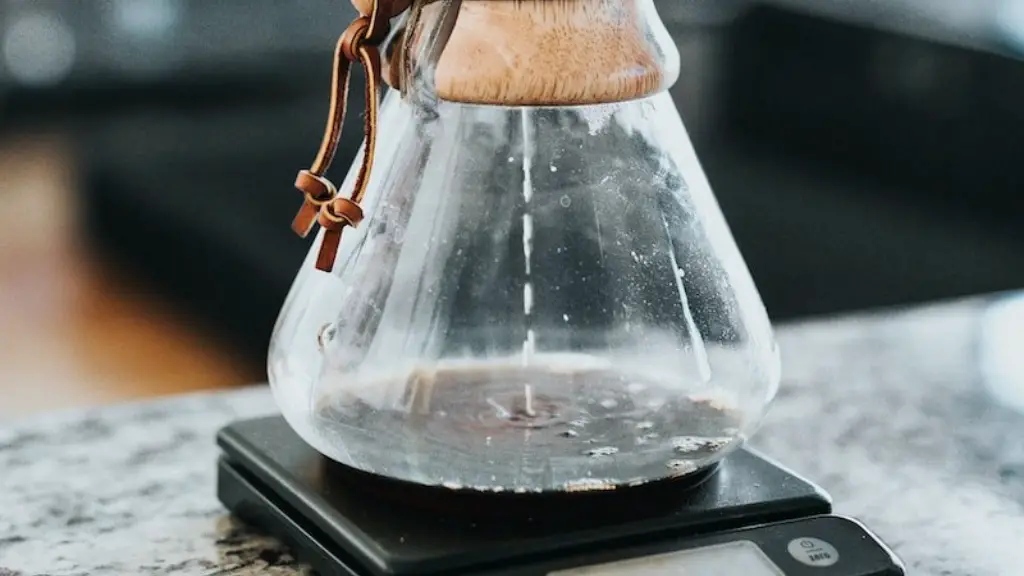
The way a brewed cup of coffee is made also makes a difference. Brews made in a French press are generally richer in taste but contain more caffeine, while those made in drip coffee makers contain less caffeine. In addition, espresso makers typically use larger doses of grounds and the resulting beverage is often stronger and more caffeinated.
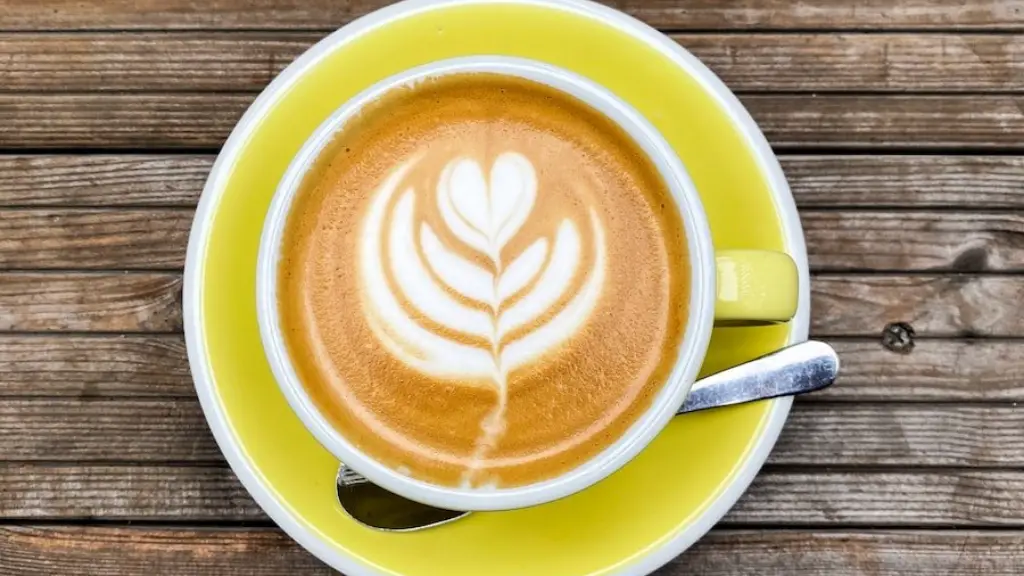
Pregnant women will want to steer clear of instant coffee and espresso based drinks, such as cappuccino or latte. Instead, go with drip-infused or French press coffee, if decaf isn’t an option.
Alternatives to coffee
Drinking coffee while pregnant isn’t the only way to get a dose of much-needed caffeine. To reduce potential overconsumption, many pregnant women choose caffeinated drinks, such as tea or soda, as an alternative. If a cup of coffee is still desired, decaf coffee is a better option.
Cocoa and chocolates are also rich in antioxidants, but the challenge is controlling the intake. Fortunately, the caffeine content per piece of chocolate is low. For instance, a 2-ounce bar of dark chocolate contains only 25 mg of caffeine, making it a safe and delicious snack.
The takeaway
With all the conflicting opinions out there, it’s important for pregnant women to examine the risks associated with caffeine before having their next cup of coffee. While most health care providers assure that a few cups per day is generally safe, it’s important to adhere to the 200 mg per day limit. Alternatively, pregnant women may opt for caffeine alternatives, such as fruit juices and decaffeinated coffee.
Role of healthcare practitioners
Ultimately, it’s up to a health care practitioner to provide guidelines on caffeine intake during pregnancy. Women who are expecting should also keep track of their caffeine intake, as it can be easy to accidentally overindulge in coffee. Furthermore, pregnant women must be aware that caffeine is present in a variety of drinks and snacks and should avoid energy drinks, for instance.
Since pregnancy has its own set of challenges and considerations, it’s best to speak with a health care provider to gain an understanding of the risks associated with caffeine. With the information at hand, pregnancy should be an enjoyable experience that can be better managed with proper caution and moderation.
Impact on baby’s health
At the end of the day, pregnant women should keep the potential health effects of caffeine on the fetus in mind. Caffeine has been linked to fetal growth restriction, lower birth weight and premature delivery. Babies born to mothers that consume more than 200 mg of caffeine per day may have an elevated risk of developing diseases, such as hypertension and diabetes, later in life.
While research has been inconclusive and the answer varies depending on who you ask, it’s important to keep the information and safety recommendations in mind when it comes to consuming coffee while pregnant. Moderation is key – and there are plenty of alternatives out there if you don’t feel like having the odd cup of Joe.
Coffee and emotional wellbeing
It’s also essential to pay attention to the emotional aspects of pregnancy. While the occasional cup of coffee can help a pregnant woman perk up, overconsumption of caffeine can lead to anxiousness and can sometimes turn into an unhealthy habit. An overloaded caffeine schedule may make it harder for a woman to establish good sleeping habits and can take a toll on her emotional and mental wellbeing.
It’s easy to get caught up in the excitement of pregnancy but, when it comes to coffee, moderation is key. Pregnant women that struggle with their coffee consumption should consider speaking to their doctor or midwife – after all, addressing this
issue early can help avoid potential complications down the line.
Coffee consumption throughout different cultures
Finally, it’s important for pregnant women to remember that the consumption of coffee may vary from one culture to the next. In some cultures, caffeine intake is believed to be safe throughout pregnancy whereas, in others, certain restrictions may be in place. So when in doubt, check in with a health care provider to understand what advice would be best in your specific situation.
One thing all pregnant women have in common is the desire to have a healthy pregnancy. By considering the potential risks associated with caffeine consumption, a pregnant woman can enjoy a cup of coffee without running into any health issues.
