At Starbucks, coffee is the most popular item on their menu. The ubiquity of the coffee chain’s presence means that many people enjoy their beverages daily. So much so that a popular question is “how many cups of coffee does Starbucks sell each day”?
To answer this question, it is important to understand the impact of Starbucks on the coffee market. For example, according to the website Statista, Starbucks’s U.S. number of stores has climbed from 8120 in 2013 to more than 15,000 in 2020. And according to a report published by the National Coffee association, daily coffee consumption within the U.S increased from 55% in 2013 to 64% 2018. This suggests that, with the expanding convenience and presence of Starbucks, coffee consumption has become even more popular, and consequently, Starbucks sells more coffee each year.
Starbucks is tightlipped regarding the financial details of their coffee business. However, through their latest annual reports, we can estimate that in 2019 alone, Starbucks sold more than 2 billion cups of coffee. This breaks down to an average 6.8 million cups of coffee sold per day across the US and beyond. Some reports even suggest that, since the start of the pandemic, Starbucks’s sales of coffee drinks have actually risen, shooting up from an average of 5.8 million cups per day in pre-pandemic times.
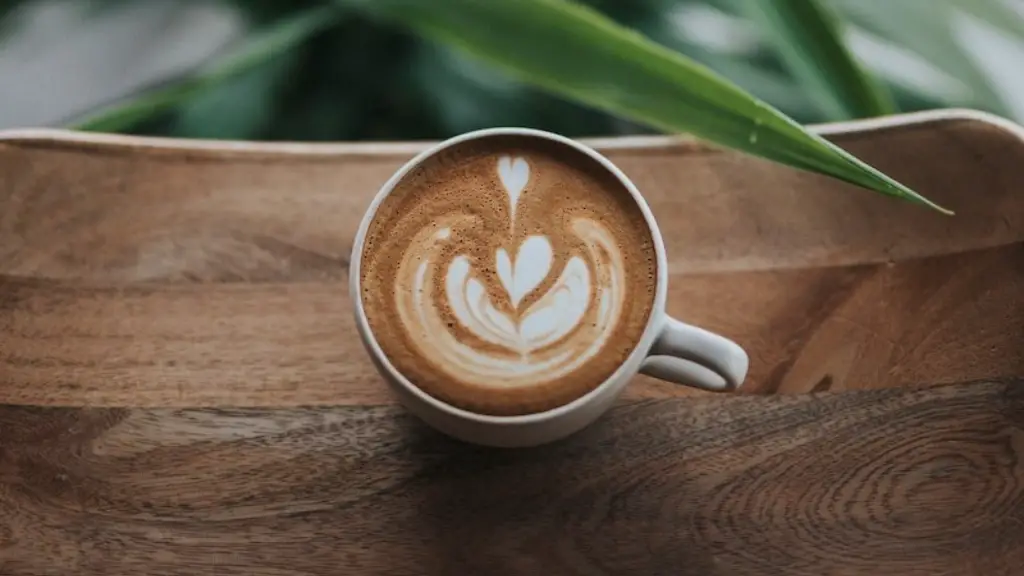
Yet, Starbucks isn’t just limited to coffee. Their various products, including Frappuccino, latte, and cappuccinos, are also booming. And with the introduction of plant based milk, thesale of their vegan-friendly beverages has significantly increased. Therefore, it is reasonable to assume that Starbucks’s total sales of coffee-based drinks are significantly higher than 6.8 million cups per day.
However, many experts have mixed opinions on the role of Starbucks. For example, some suggest that it is “easier to get Starbucks than to find a local coffee shop” and that in such an oversaturated market, Local businesses are unable to compete. On the other hand, some suggest Starbucks is having a positive effect and positively impacting coffee consumption. And beyond this, the chain has become a cultural and social staple, serving as a place for many social connections to be made.
Whatever the opinion, it is clear that Starbucks has successfully infiltrated global markets, as they now operates more than 30,000 stores in 80 countries, and no doubt their daily cups of coffee sold are a testament to their success. And while this figure is still striking, it is likely significantly higher when accounting for all the other types of drinks the chain sells.
Coffee Cultures Around The World
Coffee, as a product, has been a cornerstone of cultures around the world for centuries. Indeed, different countries have different coffee customs as coffee consumption varied from one territory to another. French press in France, latte art in Italy, Bulletproof Coffee in the USA and even Turkish coffee in the Middle East.
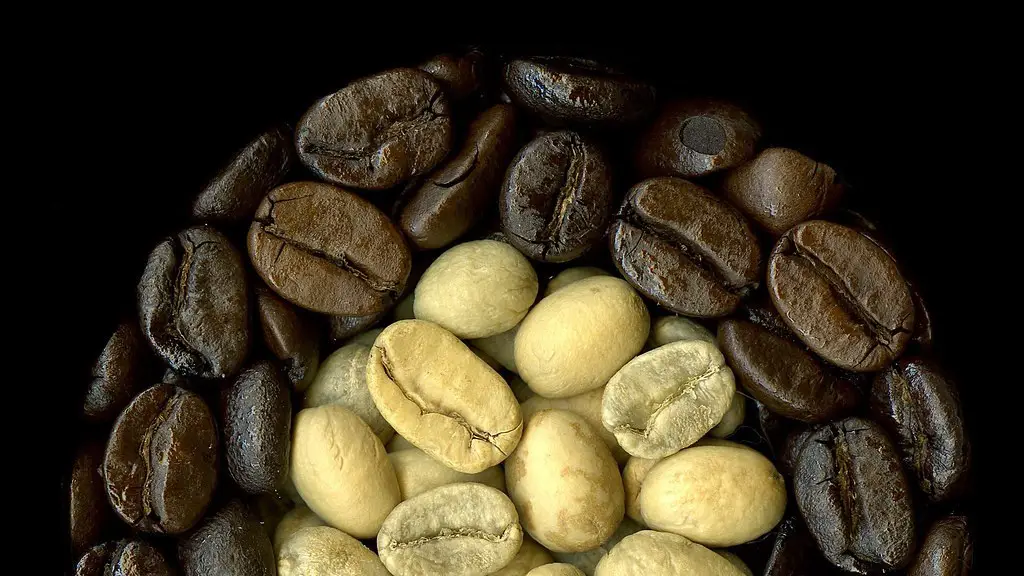
Furthermore, various studies have shown that different cultural practices and traditions influence people’s attitudes towards coffee. In some communities, coffee is treated as a symbol of hospitality. In other countries, it is simply a time of social gathering, while in most countries, it is considered as a stimulus.
Therefore, it can be argued that the popularity of coffee is naturally affected by the type of culture within which it is consumed. This is an important factor to consider when looking at the success of Starbucks, as the chain works hard to integrate itself into local communities. This could provide the key to understanding the staggering amount of cups of coffee that the chain sells each day.
Starbucks Partnerships To Boost Sales
In addition to its presence in local communities, Starbucks has also successfully ingratiated itself with other brands. For example, Starbucks has now partnered with Uber eats and Postmates, allowing customers to order directly from the chains through the delivery platforms. This is likely to have increased Starbucks’s daily sales numbers significantly.
Moreover, Starbucks rewards program offers additional incentives for frequent customers. It is well-known that customer loyalty is linked to increased revenue, and Starbucks has implemented various strategies to acquire and retain their customer’s support.Promotions such as free drinks on birthdays, points for gift cards and special discounts appear enticing enough to persuade customers to return.
Additionally, through its digital presence, customers can sign up to the Starbucks app and order their favourite drinks in advance before entering a store. All of these decisions are leading to higher numbers of cups of coffee sold each day.
Cafes Vs Coffee Franchises
It is clear that the success of Starbucks relies heavily on its presence in local communities and its relationships with other organisations. By establishing itself as a go-to place for coffee, Starbucks has proved that they are the dominant force in consuming the majority of the world’s cups of coffee each day.
However, independent cafés still offer a unique service that factors into the success of Starbucks. Indeed, local coffee shops provide beverages of a higher quality and a more intimate setting for customers than the franchise does. Cafes are well known for their specialty coffees and home-baked cakes, both of which can influence people to prefer a trip to the local corner shop over their next visit to Starbucks.
Furthermore, some argue that Starbucks’s position as a global giant is slowly fading due to the sudden rise of smaller yet charming cafés and coffee shops around the world.Yet, Starbucks’s sheer size makes it difficult for challengers to compete.Moreover, with the emergence of online ordering and delivery services, the convenience that Starbucks offers allows customers to receive their favourite cup of coffee faster and easier.
Going Beyond Coffee
Starbucks success can be largely attributed to the fact that they are willing to go beyond just coffee. Through its various initiatives and partnerships, Starbucks has proved that they are keen to experiment and challenge themselves.
A prime example of this is their monthly, limited-edition drinks including colour-changing drinks and beverages infused with spring flavours. This demonstrates Starbucks’ flexibility and willingness to appeal to people from a range of different backgrounds and cultures.
Furthermore, Starbucks has even begun to include food on their menu. These items range from snack-like items such as savoury pies, pastries and sandwiches, to all-day meals such as mac and cheese. All of these extra items offer further incentive to customers to visit Starbucks, thus adding to their daily cups of coffee sold.
The Influence Of Technology
The rise of technology has also undoubtedly served as yet another tool for Starbucks to reach a wider audience. Thanks to their digital platform, customers are able to access their products with the click of a button. From a customers perspective, the immediacy of this service is incredibly convenient.
Moreover, Starbucks have also been able to use the data obtained from their digital platform to better comprehend their customers’ preferences.This allows them to tailor their services more effectively and craft more appealing goods to their customers. Consequently, this may have led to an increase in the purchases of their products.
Coffee Culture Evolution
The evolution of coffee culture can also not be ignored when discussing the success of Starbucks. Over the years, coffee has slowly become a part of people’s everyday lives, and products like the Frappuccino and Latte have been declared as ubiquitous items. For many, especially millennials and Gen Z, coffee has become a norm.
At the same time, environmental awareness has elevated. People now recognize the importance of sustainability, which is why they are becoming more conscious of their purchasing decisions. This could explain why Starbucks has begun to offer biodegradable and recyclable cups and straws, along with biodegradable and compostable food packages.
Therefore, it is clear that the rise in coffee popularity and the implementation of sustainable practice have all played a role in Starbucks success. With the rise of technology and changing cultural trends, it is likely that this figure will rise even further.