Introduction
Caffeine is one of the most widely consumed stimulants in the world. It can be found in coffee drinks, energy drinks, and even sodas. For many people, having access to these drinks is a sign of convenience and comfort. Starbucks, the popular coffee chain, serves products that contain various levels of caffeine. Knowing how much caffeine is in a cup of Starbucks Coffee is essential for informed decisions about caffeine consumption.
Background Information
Caffeine is a natural stimulant that has been used to heighten alertness and reduce fatigue levels. It stimulates the central nervous system to make the user more awake and active. Caffeine can help improve focus and concentration. It can also improve mood and performance, but too much caffeine can cause physical and psychological problems.
Most people can adequately metabolize up to 400 milligrams of caffeine per day without serious side effects. The World Health Organization recommends that adults should not consume more than 400 milligrams of caffeine per day. However, everyone’s sensitivity to caffeine is different and people should experiment to find the right level for them.
Types of Starbucks Coffee
Starbucks offers a variety of coffee drinks, from espresso to flavoured lattes. Each type of the coffee contains different levels of caffeine. Here are some of the most common drinks and how much caffeine they contain:
- Espresso
- 1-ounce shot: 75 milligrams of caffeine
- 2-ounce double shot: 150 milligrams of caffeine
- Coffee
- 12-ounce cup: 260 milligrams of caffeine
- 16-ounce cup: 330 milligrams of caffeine
- Latte
- 12-ounce cup: 150 milligrams of caffeine
- 16-ounce cup: 180 milligrams of caffeine
- Frappuccino
- 12-ounce cup: 135 to 180 milligrams of caffeine
- 16-ounce cup: 145 to 200 milligrams of caffeine
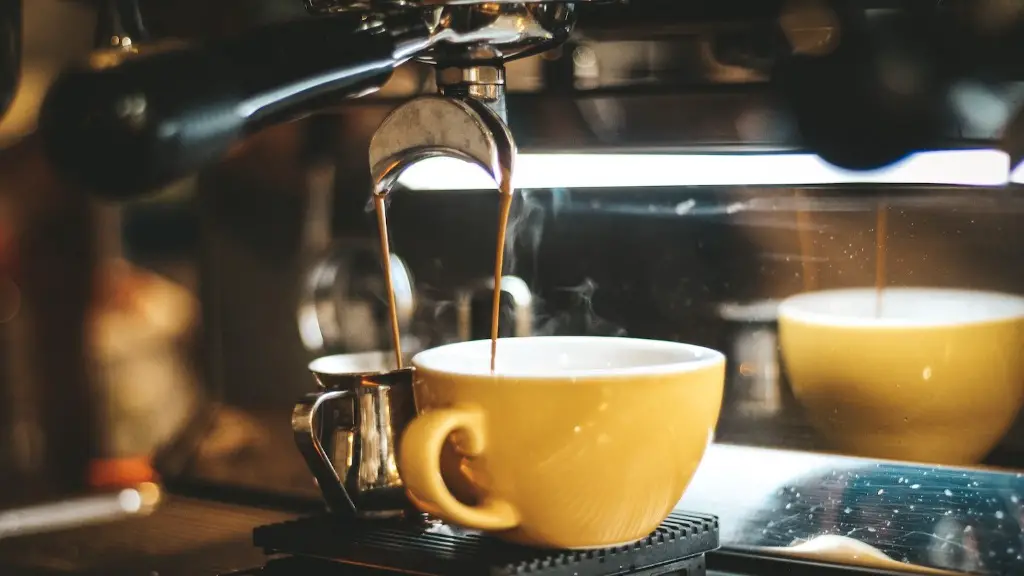
According to the National Coffee Association, an 8-ounce cup of brewed coffee generally contains 95 milligrams of caffeine, while an espresso contains 75 milligrams.
Benefits of Caffeine
Caffeine has many health benefits. It can improve alertness and concentration. It can boost physical performance and enhance mood. Caffeine can also increase brain function and help with memory recall.
Research suggests that caffeine may have other beneficial properties as well. It may help protect against Parkinson’s disease, type 2 diabetes, and liver cancer. It may also reduce the risk of stroke, heart disease, and Alzheimer’s disease.
Potential Dangers of Consuming Too Much Caffeine
Consuming too much caffeine can have harmful effects on your body. It can cause insomnia, jitters, headache, and a rapid heartbeat. Too much caffeine can also lead to dehydration, irritability, and restlessness. Caffeine is an addictive drug and can lead to dependency.
How to Monitor Caffeine Intake
To ensure that you don’t overdo it with your caffeine intake, it’s important to monitor the amount of caffeine you consume. Take note of the types of coffee beverages you drink and the size of each drink. When you know how much caffeine is in each drink it will be easier to make informed decisions.
It’s also a good idea to set limits. For example, you can decide that you won’t drink more than two cups of coffee a day. If you do, you may want to switch to decaffeinated coffee for the rest of the day.
Alternatives To Caffeine
There are many alternatives to caffeine for people who want to reduce their caffeine intake. Herbal teas are a great option. They are naturally caffeine free and provide a range of health benefits. There are also many decaffeinated coffee options available.
Final Remarks
Because caffeine affects everyone differently, it’s important to find a balance that’s right for you. Taking into consideration the types and sizes of Starbucks Coffee, along with potential benefits and dangers of caffeine, is the first step to making an informed decision about your own caffeine intake.
Conclusion
When it comes to caffeine consumption, moderation is key. Starbucks offers a wide range of caffeinated and decaffeinated options, so it’s easy to find the right balance for you. Knowing how much caffeine is in the coffee you consume can help inform your decisions about the right amount of caffeine for you.