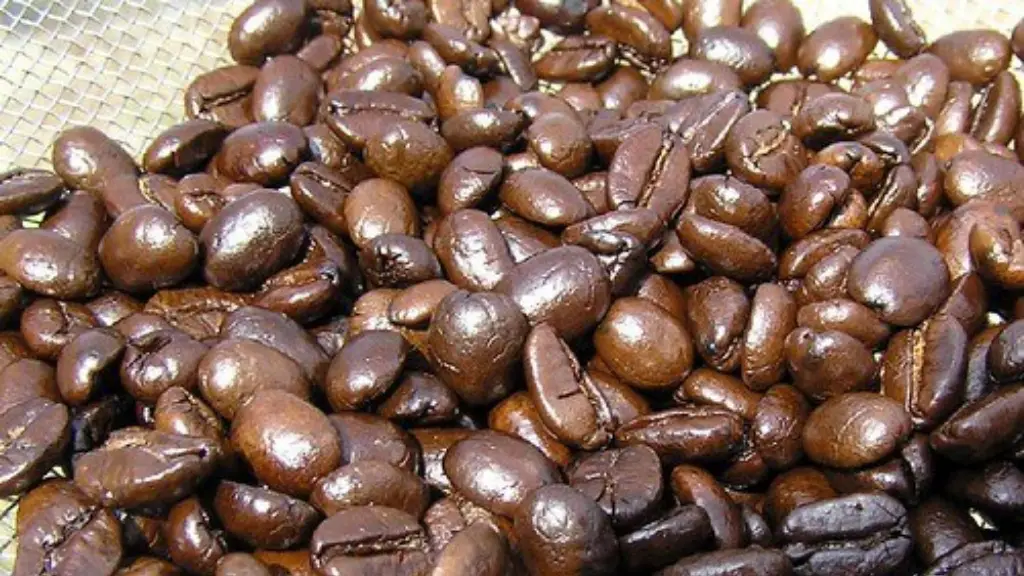
Coffee has been around for centuries and has become ingrained in many cultures and habits. Whether it’s the first thing we reach for when we wake up in the morning, or something we pick up on the way to work, many of us have carved out a routine around our coffee consumption. But how much coffee is too much?
Coffee, like most things in life, is about moderation. With its high levels of caffeine, if you overdo it, you may experience negative side-effects such as restlessness, difficulty sleeping or an upset stomach. But all of this depends on the person.
According to the experts at Mayo Clinic, it’s safe to consume up to 400 milligrams of caffeine a day. That’s roughly equivalent to four cups of brewed coffee, 10 cans of cola or two “energy shot” drinks. For context, a cup of brewed coffee generally contains between 95 to 165 milligrams of caffeine, and an eight-ounce cup of coffee will contain about 95 milligrams.

However, it all does depend on or individual tolerance levels. We all react differently to varying levels of caffeine and it’s important to listen to your body. Coffee is packed full of antioxidants, minerals and other beneficial compounds, so if you don’t experience any adverse symptoms, and you don’t feel like you are overdoing it, it should be safe to drink up to the Mayo Clinic’s suggested daily limit for most healthy adults.
If this is something that does concern you, take the time to calculate your daily caffeine intake. Break it down and count the amount of caffeine you consume each day – add up the milligrams and then divide it by the number of servings you consume, just to make sure you are within the suggested limits. There are also a number of apps available where you can scan barcodes to find out your products’ caffeine content.
It’s also important to remember that not all coffees are created equal. Different brewing methods (cold brew, French press, filter, espresso etc.), coffee beans and types of milk can all alter the potency and caffeine content. The higher the caffeine content, the more of an effect it will have on your body. A single-shot espresso contains an average of 75 milligrams per fluid ounce, compared to eight ounces of brewed coffee which contains 12 milligrams per fluid ounce, so it’s important to keep an eye on each variant.
Lastly, make sure you are drinking coffee for the right reasons. If you’re drinking it to make up for a lack of sleep or because you’re feeling a bit tired, coffee will only mask these issues rather than make them go away. It’s also important to consider the potential effect of coffee on your mental health. Although there is positive evidence that shows coffee can be beneficial to mental performance and focus, having too much can cause anxiety, elevated heart rate and jitteriness.
Coffee Alternatives
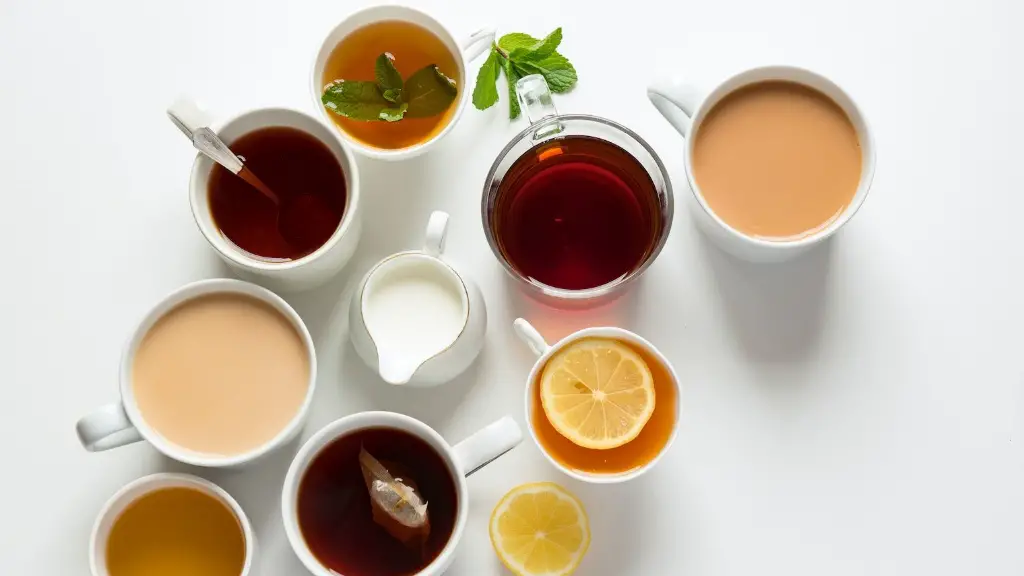
If you’re looking to take a break from coffee, there are other alternatives. There are a range of herbal teas, green teas, decaffeinated coffees (although it is important to note these still contain small amounts of caffeine) and other hot beverages that can provide a nice pick-me-up.
However, there are also some other non-caffeinated drinks that can provide a natural energy boost. Kombucha, for example, is a fermented tea that has been around for thousands of years and is packed full of probiotics and B vitamins. Another popular beverage is Matcha, a traditional Japanese tea made with tencha leaves, which can help to reduce your stress levels.
It is important to experiment and find out which drinks work best for you. With so many options of coffee alternatives, you can find something that works in line with your individual needs.
The Benefits of Moderation
In conclusion, the key to drinking coffee without overdoing it is to take it in moderation. Understand what works best with your body, have an idea of the caffeine quantities you’re consuming and limit your cups of coffee to the Mayo Clinic’s recommended daily intake.
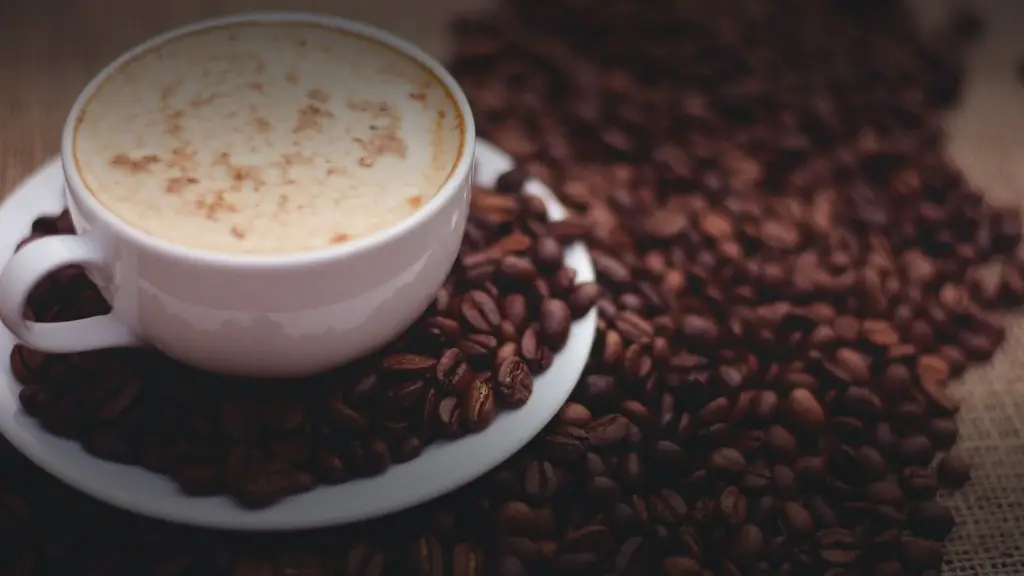
Sticking to the ‘400 milligrams’ guideline, you should be able to take advantage of coffee’s benefits without experiencing any of its potential drawbacks, so find what works for you, and if it’s a few cups a day, then enjoy the process and savor the flavor.
Coffee-Free Mornings
Stepping away from the habit of drinking coffee every morning is tough, but it can be done. Begin by replacing your cup of coffee with a glass of water or juice. The most important thing is to cut down your caffeine consumption, so start off with decaffeinated products and stick to these for a few weeks.
Once you begin to feel less reliant on caffeine to get through the day, you can gradually reintroduce caffeinated drinks into your diet, but in moderation. This way, you can keep yourself alert and energetic without compromising your health.
Finding the Right Balance
Although it’s important to consider the negative aspects of consuming too much coffee, it’s also beneficial to remember that coffee can be a great source of energy and can be incredibly beneficial for an individual’s health and overall wellbeing.
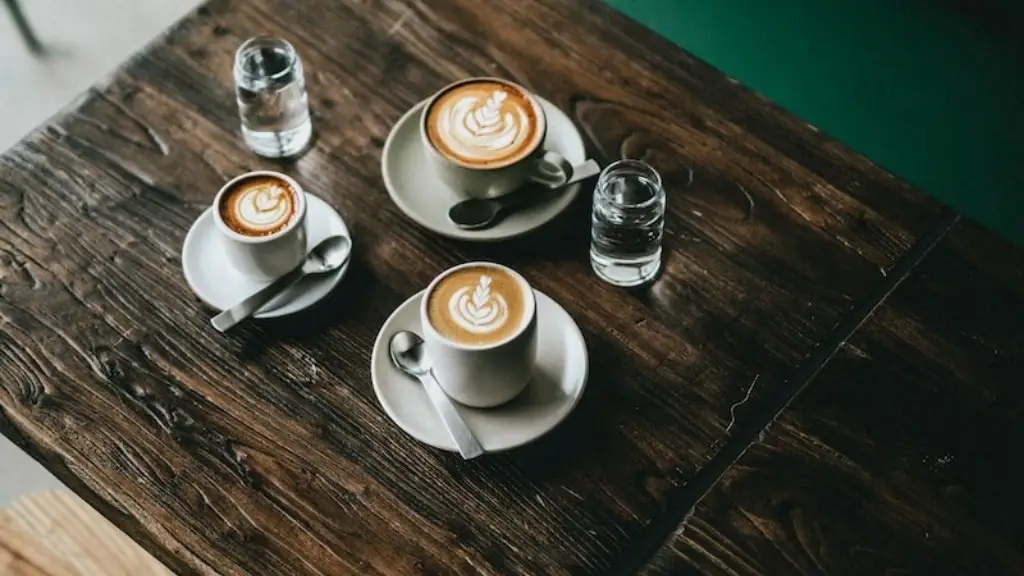
Finding the right balance is key. It’s not always necessary to completely eliminate your caffeine intake, it’s just about exploring what’s right for you and your body and taking it all in moderation. Listen to your body and you shouldn’t run into any problems.
Knowing Your Tolerance
There are those who are particularly sensitive to the effects of caffeine and will experience the negative effects of drinking too much, while others may actually need a higher intake to feel the desired effects. Ultimately, it’s important to understand and be mindful of your own tolerance levels and to figure out what is healthy for you.
It’s also important to note that although coffee provides energy, it shouldn’t replace sleep and proper nutrition. Make sure you maintain a healthy balanced lifestyle, and if you can, spend some mornings coffee free.
Coffee Alternatives
In order to keep coffee intake to a minimum, try and opt for coffee alternatives. Chai latte, matcha lattes or herbal teas all make for a great substitute in the morning. These contain little to no caffeine but are still loaded with many beneficial ingredients.
These alternatives not only taste great, but they come with packing a punch of vitamins and antioxidants. Green tea, for example, is a great option as it is packed full with catechins, an antioxidant that has a host of benefits such as aiding digestion and aiding liver health.
Making Sustainable Coffee Choices
When reducing your daily coffee intake, it’s not only important to consider the potential health effects, but also to ensure that you stay mindful when it comes to choosing sustainable coffee sources.
By considering our choices and making more ethical decisions when it comes to our coffee habits we can make changes to help improve sustainable coffee farming, creating a more robust and long-term coffee industry.
This could be as simple as educating yourself on the different coffee beans, blends and roasters available, so ensure you learn more on this topic and make sure your choices are sustainable.
