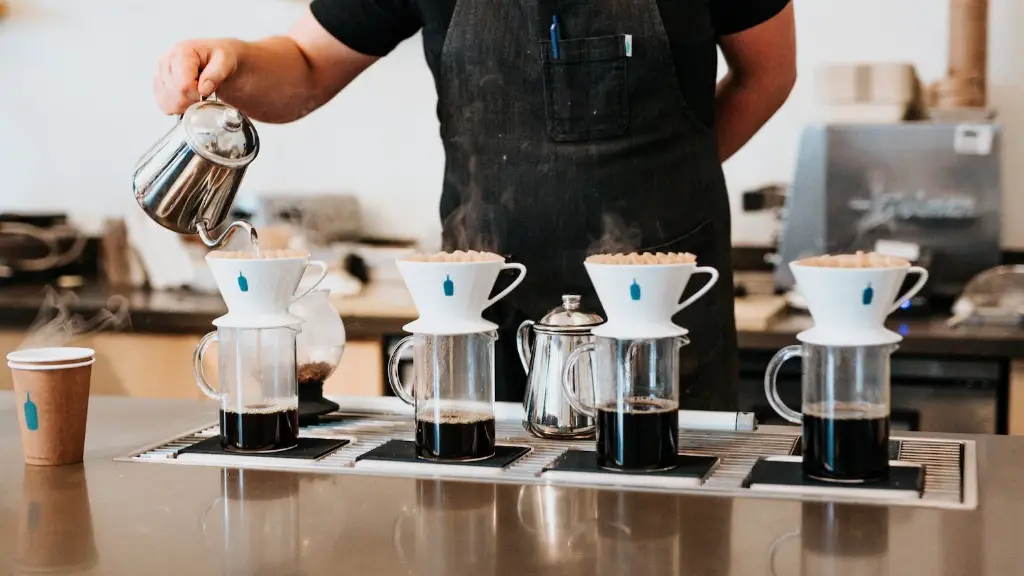
It’s not uncommon to see a long line of people waiting to get their hands on a Starbucks cup of coffee. A few years ago, everyone knew that the coffee was strong, flavorful and loaded with caffeine. But how much of the latter does this popular coffee contain?
In general, a tall cup of Starbucks contains around 100 mg of caffeine. However, the amount of this stimulant actually varies depending on the type of coffee you order, as well as its size. A shot of espresso, for example, is known to contain around 75 mg of caffeine, while an iced coffee comes with around 160 mg of caffeine. If you’ve ordered a Starbucks cold brew or nitro cold brew, you’ll get around 130 mg of caffeine per cup.
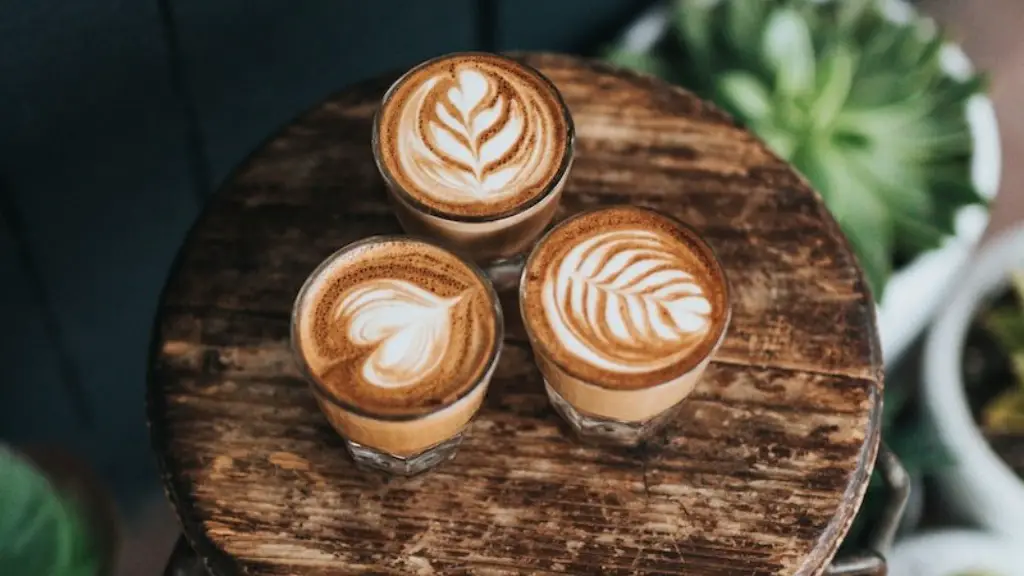
“In general, Starbucks drinks are known for their strong caffeine content. This is due to the fact that they use more espresso shots (around 2 to 3 shots) than regular coffee, which increases the total caffeine content,” explains Marie Pierre, a dietitian and nutrition consultant.
How much caffeine each Starbucks drink contains is also influenced by the type of beans used by the company to make the coffee. For example, light roast caffeine has a much lower content than a regular Starbucks dark roast cup. On the other hand, decaf coffee only has around 5-10 mg of caffeine per cup, which makes it a great choice for those who are mindful of their caffeine intake.
One of the most important things to take into account is the amount of caffeine your body can tolerate. According to experts, adults can consume up to 400 mg of caffeine per day without experiencing any adverse effects. Still, it’s important to note that each individual’s sensitivity to caffeine is different, and it can also depend on other factors, such as age and levels of physical activity. So, it’s best to stick to your daily recommended caffeine intake and savvy away from overconsumption.
Caffeine Content and Health Benefits
In addition to its delicious taste, coffee also contains several beneficial compounds, such as antioxidants and caffeine, that can boost your energy levels and alertness. However, as with anything, moderation is key. If you’re caffeine sensitive, drinking too much coffee can make you jittery and anxious. That’s why it’s important to pay attention to the caffeine content of your favorite drink when you’re getting it from Starbucks.
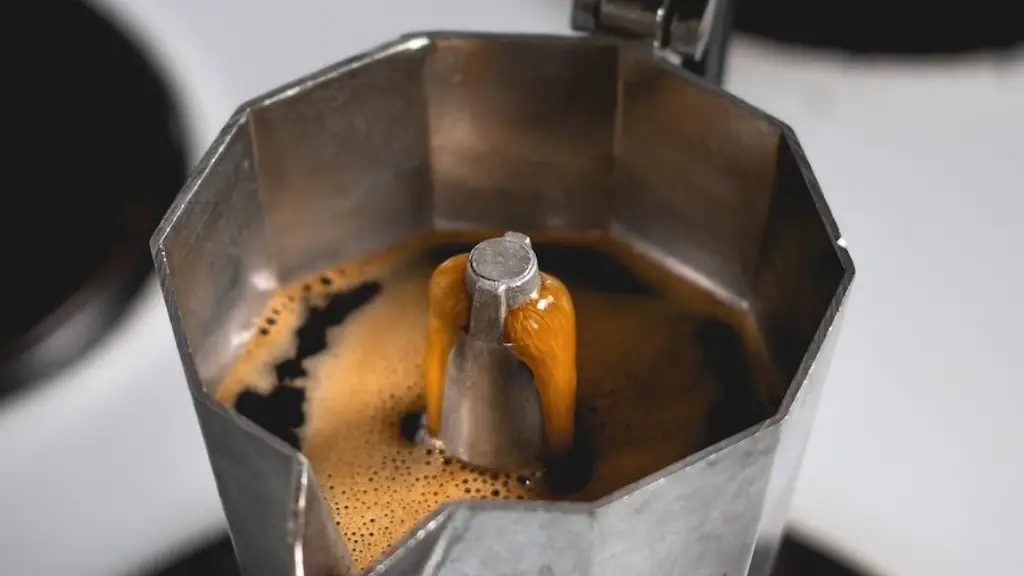
Caffeine is also known to have several health benefits associated with it. For example, some studies suggest that moderate consumption can help reduce the risk of developing certain chronic conditions, such as type 2 diabetes and heart diseases. Also, from a cognitive point of view, it’s been linked to improved focus and alertness. Despite these potential benefits, drinking too much coffee can actually have the opposite effect, leading to a decrease in concentration and performance.
Organic Coffee
If you’re looking to reduce your caffeine intake, you can opt for one of Starbucks’ organic coffee options. Not only are these more natural, but they also contain about half of the caffeine contained in regular varieties. That being said, organic coffee does require an additional cost, so keep in mind that this will affect the total price of your order.
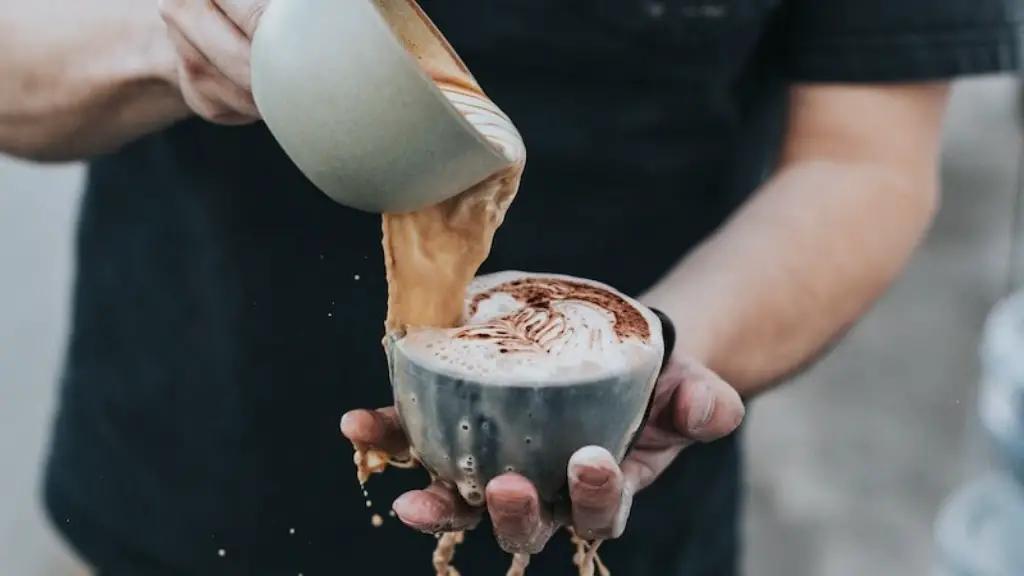
It’s important to note that Starbucks also offers several decaffeinated drinks. When you choose one of these, you should know that the amount of caffeine contained in each drink is below 0.05%. That said, these drinks are brewed using the same espresso machines as their caffeinated counterparts, so there is no actual guarantee that there won’t be traces of caffeine in them. So, if you’re very caffeine sensitive, it’s best to avoid them altogether.
Alternatives to Starbucks
If you’re looking for coffee but don’t want to go to Starbucks, there are plenty of alternatives available. Most cafés, restaurants and convenience stores offer their own coffee, which comes in different varieties and with varying levels of caffeine. It’s also worth noting that some brands offer organic and low-caffeine coffee, making them an interesting option for those looking to reduce their intake of this stimulant.
Another interesting option is cold brew coffee. Most cold brew coffees contain less caffeine than regular varieties, so they are ideal for those who are looking for something low in caffeine content. Plus, cold brews tend to be less acidic than regular coffee, so they may be more suitable for those who are sensitive to acidity. This type of coffee sells for a variety of prices, depending on the ingredients used and its brewing process, so it’s definitely worth doing a quick search to find the one that works best for you.
Organic Coffee Beans
Organic coffee is the perfect option for those looking to reduce their caffeine intake but still enjoy a great cup of coffee. Organic beans contain no chemicals or additives, so they are considered healthier than their “conventional” counterparts. In addition, these beans are often richer in flavor, so you can expect a more intense and flavorful cup of coffee. Of course, the cost of organic beans is usually higher, but if you’re looking for a healthier alternative, it may be worth it.
Organic beans can be ground easily, so you don’t have to worry about buying a grinder (although having one will make grinding much easier). Keep in mind that you should always opt for fresh beans, as they’re likely to contain fewer caffeine and more flavor. Also, be sure to store them in an air-tight container and in a cool, dry place to avoid them going bad.
Brewing Coffee at Home
Brewing your own coffee at home is another great way to reduce your caffeine intake. Of course, this requires having access to the necessary items to make coffee, such as a coffee maker, a grinder (if needed) and beans. Plus, it can be a bit time-consuming, especially if you are also grinding your own beans. Still, if you’d prefer not to buy pre-made coffee, then this may be a great solution.
If you decide to make your own coffee at home, remember that the longer you let the coffee grounds steep, the more caffeine will be extracted from them. This means that if you want to reduce the amount of caffeine in your cup, you should be careful not to let the grounds steep for too long. Alternatively, you can opt for a coarse grind, which will decrease the amount of surface of the grounds in contact with the water, thus reducing the amount of caffeine extracted.
Conclusion
There is no one-size-fits-all answer to the question of how much caffeine is in a cup of Starbucks coffee. As you can see, the caffeine content depends on the type of coffee you choose, as well as on its size and the type of beans used by the company to make the coffee. If you’re sensitive to caffeine, it would be best to double-check the caffeine content of the drink you’re about to order, as well as to watch your daily intake. Also, if you’d rather avoid or reduce your caffeine intake, there are several alternatives available, such as organic coffee or cold brew. In the end, it all comes down to your personal preference and what you find the most enjoyable or beneficial.