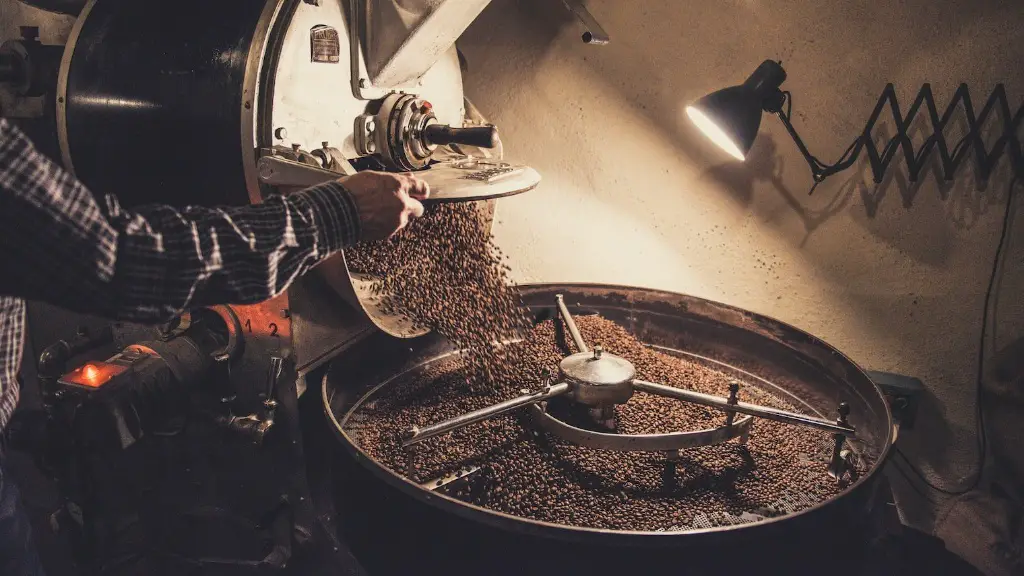
Being pregnant doesn’t mean that you have to cut coffee out of your diet completely. In fact, having one to two cups of coffee a day won’t be physiologically detrimental to your child. ÊHowever, that doesn’t mean it’s good for you. Too much coffee during pregnancy can harm your baby’s development and create other health risks for you during those nine months.
In terms of safety for the baby, the medical recommendation is to stick to one to two cups of coffee per day. Anything more than that increases the risk of your baby having a low birth weight and developing problems later in life, such as childhood obesity and Type 2 diabetes.
During pregnancy and any other time, pregnant women should be careful to not overdue their caffeine intake. One cup of brewed coffee typically contains around 95 to 200 milligrams of coffee, instant coffee contains around 65 to 100 milligrams, while espresso can pack up to 200 milligrams of caffeine per shot. Coffee drinks such as mochas, macchiatos, and lattes can contain 100 to 300 milligrams of caffeine per cup.

The reason for this recommendations is that caffeine is a stimulant and can cross the placenta, entering into the baby’s bloodstream, and from there it can reach the baby’s brain. This means that the baby will feel the effects of the caffeine too. Too much caffeine can give your baby unnecessary jitteriness, and potentially make it harder for your baby to grow.
Another issue with coffee during pregnancy is how its active ingredient, caffeine, is processed and how it might interact with other substances. Caffeine can make it harder for your body to absorb certain vitamins, minerals, and iron. That’s why it’s essential to make sure that you get a good diet while you’re pregnant, including leafy greens and lean proteins.
Furthermore, caffeine is also a diuretic, meaning that it makes you pee more, which can lead to a lack of hydration, and that can lead to a host of other pregnancy-related issues like fatigue and headaches. And if you have a pre-existing condition like anxiety, or gestational diabetes, you might need to cut down on your caffeine intake even more.
Effects Of Heavy Coffee Consumption During Pregnancy
Studies show that heavy caffeine consumption — more than four cups of coffee per day — increases the risk for miscarriages and also for babies having abnormal heart rhythms. The American College of Obstetrics and Gynecology (ACOG) also strongly advises pregnant women to not cross the 200 milligrams caffeine per day threshold.
Furthermore, studies also suggest that regular caffeine consumption during pregnancy can lead to a higher risk of developing pre-eclampsia and gestational hypertension, or preeclampsia, which can be dangerous for both mother and baby.
High caffeine intake during pregnancy can also increase the risk of stillbirth and might even increase the risk of birth afflictions such as cleft palate. There is also the possibility that your baby might become addicted to caffeine, which can interfere with their development later in life.
Nevertheless, caffeine does not necessarily cause any of the aforementioned conditions. The chances of developing any of these conditions increase incrementally with every cup of coffee you drink, but there is no scientific proof yet that links caffeine directly to these conditions.
Alternatives To Coffee During Pregnancy
If you feel like you cannot cut back on coffee, there are alternative sources of caffeine that you can consume such as yerba mate, guarana and caffeinated tea. Tea contains far less caffeine than coffee, typically ranging from 24 to 86 milligrams per cup. However, make sure that you also limit your caffeine intake from other sources so as to not exceed a total of 200 milligrams of caffeine per day.
For pregnant women particularly, it is recommended to use caffeinated teas only sparingly. Certain teas contain compounds like tannins, which might be potentially irritating and can affect the baby’s growth and development, and according to some studies, the compounds can even cross through the placenta.
At the end of the day, it is important to remember that moderation is key when it comes to coffee consumption during pregnancy. If you’re having just one cup of coffee per day, and are keeping your caffeine consumption from other sources in check, then it is highly unlikely that you will experience any adverse issues due to your coffee consumption.
Natural Alternatives To Coffee During Pregnancy
One way to enjoy the taste of coffee without actually consuming coffee is by brewing either chicory root coffee or rooibos tea. These can both be roasted or ground up, just like regular coffee, but work with naturally caffeine-free drinks. Chicory root coffee tastes pleasantly nutty, and rooibos tea has a light sweetness and hints of warm spices.
Probably the best alternative to coffee is dandelion root tea. It tastes pleasantly bitter, and many say that it’s identical to regular coffee in both flavour and smell. It also provides a healthy dose of vitamins, minerals, and antioxidants. The dandelion root is also known to have diuretic and digestive benefits, which help to promote digestive health. Plus, it won’t lead to caffeine jitters or the other risks associated with heavy caffeine consumption.
You can also make your own at-home coffee alternatives. Take your favourite non-caffeinated herbal tea or rooibos tea, add spices and honey, or even a splash of cream. This allows you to have a coffee-like drink without all the caffeine that comes with coffee. If you want to sweeten it, add natural sweeteners like coconut sugar, honey, or stevia.
How To Transition To Non-Caffeinated Options During Pregnancy
Many people are completely terrified by the thought of going without their daily fix of coffee, especially if they rely on it to help them get through their day. Fortunately, there’s a way to transition away from consuming heavy amounts of coffee, and still get the same health benefits.
To begin with, start by drinking less coffee each day. For example, replace one cup of coffee with its caffeinated alternative, such as tea. Alternatively, try a blend of regular and decaf coffee. You can still get some of the benefits of drinking coffee while cutting down on your caffeine intake.
You can also try substituting some of your coffee or tea with herbal or fruit teas. You can find a vast array of herbal teas on the market, including chamomile, mint, hibiscus, ginger, lavender, licorice, and rooibos. All these herbal teas are not just caffeine-free but naturally calorie-free, and are full of vitamins, minerals and antioxidants.

Finally, make sure that you get enough rest and stay hydrated. Getting enough sleep can help curb cravings for high-sugar or caffeinated snacks like coffee. Also, make sure to drink plenty of water throughout the day. Not only will it help to flush out toxins, but it will also help you stay full and reduce cravings for caffeine.
Dietary Recommendations During Pregnancy
In addition to reducing your caffeine intake, making sure you’re eating healthy is also important for a healthy upcoming baby. Eating a diet full of wholesome, nutrient-dense foods like green leafy vegetables, nuts and seeds, and lean proteins (such as fish, chicken, and legumes), can help you get the nutrients you need for a healthy pregnancy. Consuming plenty of healthful fats (such as avocados and nuts) is also recommended, as these foods provide lipid and fatty acids that support your unborn baby’s development.
A well-balanced diet should also include low-glycemic, slow-burning carbohydrates such as oatmeal, brown rice, quinoa, and sweet potatoes, as these foods can help to regulate your blood sugar and keep you feeling full and energized throughout the day.
Finally, it is important to ensure that you are getting enough vitamin D and calcium in your diet. Vitamin D is a fat-soluble nutrient that assists in the absorption of calcium and helps to keep your bones, muscles, and immune system strong. Vitamin D can be found in certain types of fish, such as salmon, trout, and mackerel, as well as in fortified foods such as breakfast cereals and dairy products.
Calcium is important for your developing baby’s bones and teeth, and it is recommended that pregnant women get 1200 milligrams of calcium per day. Foods that are high in calcium include leafy green vegetables such as kale and spinach, dairy products such as yogurt and cheese, and nuts and seeds.
The Bottom Line
It is generally safe to drink one to two cups of coffee per day during pregnancy, but it’s important to be aware of the potential risks associated with heavy caffeine consumption. Instead of indulging in multiple cups of espresso or other coffee-based drinks, pregnant women should aim to get their caffeine fix from a combination of alternate sources. Any dietary preferences aside, it is also recommended that women consume plenty of nutrient-dense foods and maintain adequate calcium and vitamin D intake during pregnancy.
