
When it comes to coffee and pregnancy, you need to know your facts. It’s tougher to stay away from coffee during pregnancy than to enjoy it in moderation. Caffeinated drinks are possible to consume during pregnancy, including coffee. But knowing how much coffee to drink can be difficult with conflicting evidence and myths out there. This article will explain how much coffee is safe to drink during pregnancy and offer advice to manage your coffee intake.
Coffee is one of the most popular drinks in the world, and it’s no secret that the United States has the highest per capita consumption of coffee. Caffeine is a naturally occurring stimulant found in coffee beans, cocoa beans, guarana berries, tea leaves and other natural sources. Coffee brewed from roasted coffee beans contains the highest amount of caffeine, ranging from about 95-200 mg per 8-ounce cup. Caffeine enters a pregnant woman’s bloodstream rapidly when consumed and can cross the placental barrier.
The American College of Obstetricians and Gynecologists (ACOG) recommends limiting caffeine consumption to 200 milligrams per day during pregnancy. That’s about the equivalent of one 12-ounce cup of coffee. The ACOG also recommends that pregnant women avoid energy drinks altogether, which are high in caffeine and other additives. Some studies link high intake of caffeine during pregnancy to a higher risk of miscarriage and low birth weight babies.
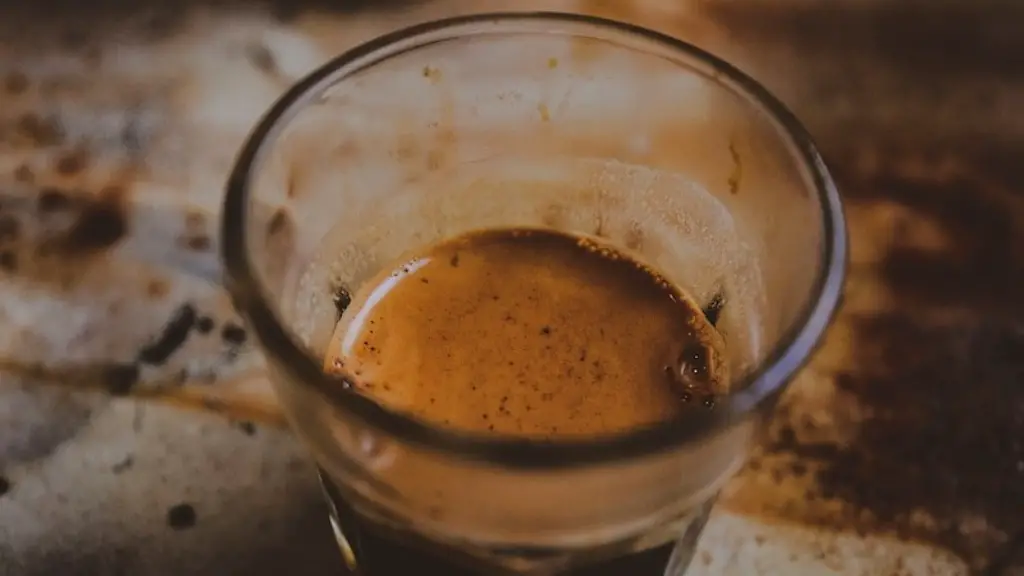
So how do you decide how much coffee to drink while pregnant? Every mother is different, so it’s important to speak to your obstetrician or midwife to create a tailored plan. Keep in mind that the ACOG’s guidelines are the maximum amount of caffeine that should be consumed in a day. If you’re concerned about your caffeine intake, it’s best to avoid caffeine altogether. Drinking coffee for the pleasure of getting a burst of energy can be replaced by eating healthy snacks, drinking caffeine-free alternative drinks and getting exercise instead.
There are also plenty of ways to cut back on your coffee consumption. If you love your morning cup, you can order smaller sizes, or cut down on the amount of creamer and sugar you add, opting for a healthier alternative like almond milk. You can also switch to decaffeinated coffee, which contains a very small amount of caffeine. Switching to tea, herbal tea, or caffeine-free options like roasted chicory, Dandelion root or African Rooibos can also help cut down on caffeine consumption during pregnancy.
If you’re a caffeine addict, there’s no need to panic. You don’t need to cut it out entirely, but you should be aware of the amount you’re consuming, and always check in with your doctor or midwife to ensure that your caffeine intake is within the accepted limits.
Nutritional Benefits
Although caffeine isn’t advised during pregnancy, one benefit of drinking coffee is that it can provide some valuable nutrition. Your body needs adequate amounts of vitamins and minerals to sustain your baby during pregnancy. Drinking coffee can help provide these. One cup of coffee contains B vitamins, potassium, folate, and magnesium, which are all beneficial for a pregnant woman. Some studies have even found that drinking coffee can reduce your risk of complications during a pregnancy, such as preeclampsia.
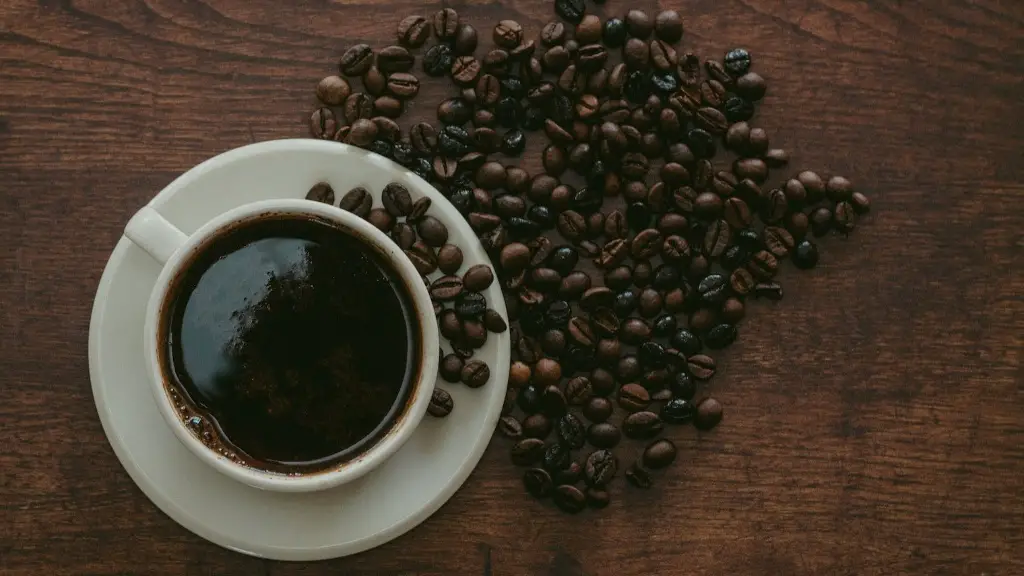
Another important benefit of coffee during pregnancy is that it contains antioxidants, which are beneficial for helping the body to fight off damage from things such as radical cells, pollutants, and disease. In the same way, drinking coffee during pregnancy can also help reduce stress and enhance your mood. This is especially helpful during the physically and emotionally draining pregnancy period.
Coffee Alternatives
If you’re trying to cut back on your coffee intake, there are plenty of alternatives you can explore.Switching to caffeine-free caffeine drinks is an easy way to reduce your caffeine intake. Popular options include herbal teas such as peppermint, rooibos, chamomile, and ginger root. Not only are they caffeine-free, they are often packed with vitamins and minerals that are beneficial for pregnant women. Many people have difficulty adjusting to herbal teas in the beginning, but it can be worth the effort.
If you’re looking for a more satisfying way to start your day, you can also try smoothies or cold-pressed juices. Adding fruits and vegetables to your breakfast can provide a boost of antioxidants and vitamins that can help you stay energized throughout the day. Additionally, these provide a delicious way to stay hydrated, which is very important when pregnant.
For those hardcore coffee drinkers, cold brew is a great way to cut back on caffeine. Using a cold brewing system allows you to steep coffee grinds in cold water for up to 18 hours, resulting in a smooth and less acidic cup of coffee. The caffeine content is 68-80% lower than regular coffee, so you can still enjoy your cup of joe without consuming too much caffeine.
Bottom Line

In summary, coffee is safe to consume during pregnancy – in moderation. Many people worry about drinking coffee during pregnancy, but with a few simple lifestyle adjustments, it can be part of a healthy pregnancy. Speak to your doctor or midwife before making any drastic changes to your diet. If you are consuming more than 200 milligrams of caffeine a day, you should reduce your intake. Remember, caffeine is not just found in coffee; other food and drinks like chocolate, tea, and soft drinks also contain caffeine. Lastly, there are plenty of alternatives and non-caffeinated beverages you can explore to ensure that you are getting the essential nutrition needed during pregnancy, while protecting both you and your baby.
Pregnancy Diet Considerations
Your diet during pregnancy is extremely important for your health, as well as for your baby’s. It is essential to get the recommended daily intake of iron, calcium and folate to help your baby develop properly. Eating a balanced diet of lean proteins, fruits and vegetables, dairy, and whole grains can help ensure that you are meeting your nutritional needs. Additionally, you may benefit from taking a prenatal vitamin to help meet these needs as well.
You should avoid processed foods, artificial sweeteners, unhealthy fats, and alcohol during pregnancy. Make sure to drink plenty of water, as this is essential for proper hydration, which can help reduce the risk of dehydration and keep your energy levels up. It is also important to talk to your doctor about any supplements or vitamins you may want to take while pregnant.
Your doctor or midwife can help you create a meal plan that meets your individual needs and will help ensure you and your baby stay healthy during your pregnancy. Additionally, having a healthy diet and lifestyle can help reduce discomfort during pregnancy and will help set you up for a healthy postpartum recovery.
Creating a Healthy Environment

Your environment during pregnancy can have a lasting effect on your physical and mental health. Exposure to environmental pollutants, such as cigarette smoke or poor air quality, can potentially damage your developing baby. Make sure the air in your home and workplace is clean. Consider replacing air filters in your home regularly and make sure to avoid any areas that may have poor air quality like construction sites.
If you do decide to drink coffee during pregnancy, you should be aware that coffee can be a source of pesticides. To avoid consuming potentially harmful levels of contaminants, opt for organic, fair-trade coffee that is free from pesticides. Additionally, if you are drinking coffee, be sure to look out for the potential presence of plastic microfibers that can enter your cup upon contact.
Above all, listening to your body and taking care of yourself are the most important rules. Pregnancy is a special time and you should be as informed as possible and enjoy it as much as you can. Taking the time to plan ahead, pay attention to your diet, and create a healthy environment can help make your pregnancy as safe and comfortable as possible.
