Whether you are a low-level coffee enthusiast or a barista, one of the most commonly asked questions is: how much coffee should I drink in a day? The answer to this question is highly subjective and depends on a variety of factors, including an individual’s lifestyle, dietary habits, health, and more.
If you’re a regular coffee drinker, then your body will become used to and tolerant of the compounds present in coffee beans. For this reason, it’s important to be mindful of the amount of coffee you consume on a daily basis and not overdo it. Generally speaking, consuming up to three cups of coffee per day is considered a moderate amount, and the American Heart Association suggests limiting caffeine consumption to 400 milligrams per day.
This recommendation is echoed by coffee industry professionals, who believe that coffee should be consumed mainly for its flavor, not for its caffeine content. For example, registered dietitian, Angel Planells, says that “we don’t need to start out our day with coffee, but if it’s something that brings us pleasure in the morning — and it’s not causing us any health issues — then drinking coffee can be an enjoyable and enjoyable part of a healthy lifestyle.”
The US Food and Drug Administration (FDA) also has their own stance on the safe consumption of coffee. They recommend limiting caffeine intake to no more than 400 milligrams per day, with a maximum of 4-5 cups of coffee (or up to 2 cups of espresso). Additionally, they advise that pregnant women limit their daily caffeine intake to only 200 milligrams.
Given these recommendations, individuals can experiment with their own coffee-drinking habits to find out what works best for them. If you’re a light coffee drinker, then one to two cups of coffee per day is perfectly safe. For those who love their coffee, you can still enjoy up to three cups of coffee daily without exceeding the recommended amount.
However, it’s important to consider the source of the coffee you’re drinking. If you’re consuming instant coffee or energy drinks, then the caffeine content can be much higher than your standard cup of joe. These drinks contain various ingredients, including artificial sweeteners, preservatives, and flavorings, which can also lead to adverse health effects when consumed in excess.
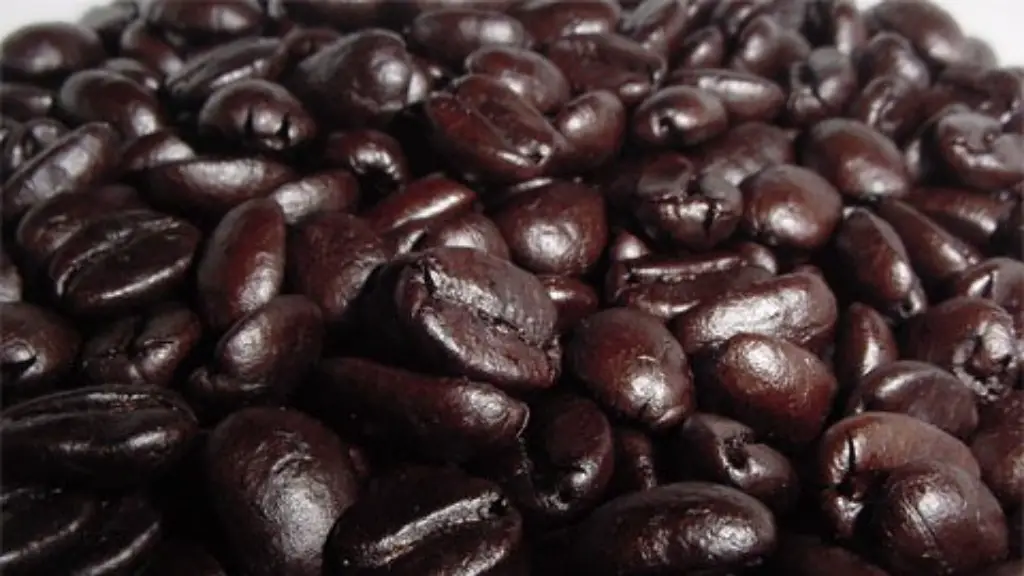
Moreover, it’s important to pay attention to the quality of the coffee you’re drinking. Coffee beans can be sourced from a wide variety of locations around the world, and the processing and roasting of these beans can also have an impact on the taste and quality of the coffee. Therefore, consumers should take their time to find a good source of quality coffee and make sure that their coffee-drinking habits are in line with the recommendations above.
Role of Genetics

Another factor to consider when deciding how much coffee should be consumed is genetics. While metabolisms can vary widely, genetics play an important role in how your body responds to caffeine. People with certain genetic variations, such as slower metabolizers, may take longer to break down and eliminate caffeine from their systems and therefore may need to limit how much coffee they drink.
However, others may have genes that allow them to break down caffeine more quickly and have little to no effect from the caffeine. In this case, individuals may be able to drink more than the recommended three cups of coffee daily without experiencing any adverse effects.
Overall, when it comes to coffee consumption, it’s important to take a mindful approach. Pay attention to your body and track how it responds to coffee. If you notice that you become jittery or experience headaches after drinking coffee, then it’s best to reduce your intake.
It’s also important to consider the source of your coffee and the quality of the beans you’re drinking. High-quality coffee is likely to contain lower amounts of caffeine and will taste better than its cheaper counterparts.
Timing Matters
Timing also plays an important role in how much coffee someone should drink in a day. According to experts, the ideal time to drink coffee is before noon. Drinking coffee in the afternoon and evening can interfere with the body’s natural sleep pattern, resulting in a disruption of the body’s circadian rhythm and difficulty in falling asleep and maintaining a restful sleep.
If you find yourself needing an extra boost in the afternoon, then it’s best to opt for a caffeinated beverage with a much lower amount of caffeine, such as green tea. Not only will you receive the same energy-boosting effects, but it won’t interfere with your sleep.
It’s important to note that drinking too much coffee can also lead to serious health complications. For example, too much caffeine can disrupt the digestive system, leading to heartburn, an increased risk of ulcers, and gastrointestinal discomfort. Additionally, over-consuming caffeine can lead to anxiety and irritability.
The Takeaway
When it comes to coffee consumption, moderation is key. Instead of relying on coffee for energy, focus on getting adequate sleep, eating a balanced diet, and regular exercise. This will help you maintain a consistent level of energy throughout the day without putting your health at risk.
It’s also important to note that coffee isn’t the only source of caffeine. Soft drinks, energy drinks, tea, and chocolate also contain caffeine and should be taken into consideration when calculating your daily caffeine intake. By being mindful of your coffee consumption and taking into account the source, timing, and genetics, you can easily find the right balance and enjoy your coffee in a healthy and safe way.
Coffee Alternatives
If you want to reduce your reliance on coffee, then there are plenty of alternatives that offer similar energy boosting effects. For example, high-protein snacks, such as nuts and yogurt, can provide a longer lasting form of energy that isn’t reliant on caffeine.
Other alternatives include herbal teas, such as green tea, which contains caffeine but also offers a host of health benefits due to its high antioxidant content. Many people also enjoy drinking warm water with lemon, as it can help stimulate digestion and provides a gentle energy boost.
In addition to these alternatives, there are also a variety of supplements that can provide an energy boost without the use of caffeine, such as B vitamins and adaptogen herbs, a type of herbal supplement that helps the body adjust to physical, mental, and emotional stress.
If you’re looking for an energy boost before a workout, then having a banana or bagel can provide the energy you need without relying on caffeine. This can help reduce any stress you feel from drinking too much coffee and still provide the energy boost that you need.
Conflicting Advice
The amount of coffee you should drink in a day is highly individualized and depends on a variety of factors. Unfortunately, this means that there is often conflicting advice on the subject. Ultimately, it’s important to understand the various recommendations and then experiment with your own coffee-drinking habits to find out what works best for you.
It’s also important to consider other sources of caffeine and energy-boosting snacks and supplements to reduce your reliance on coffee. Taking a mindful approach to consuming coffee can help you determine the right amount of coffee to drink in a day and still enjoy the taste of your favorite cup of joe.
