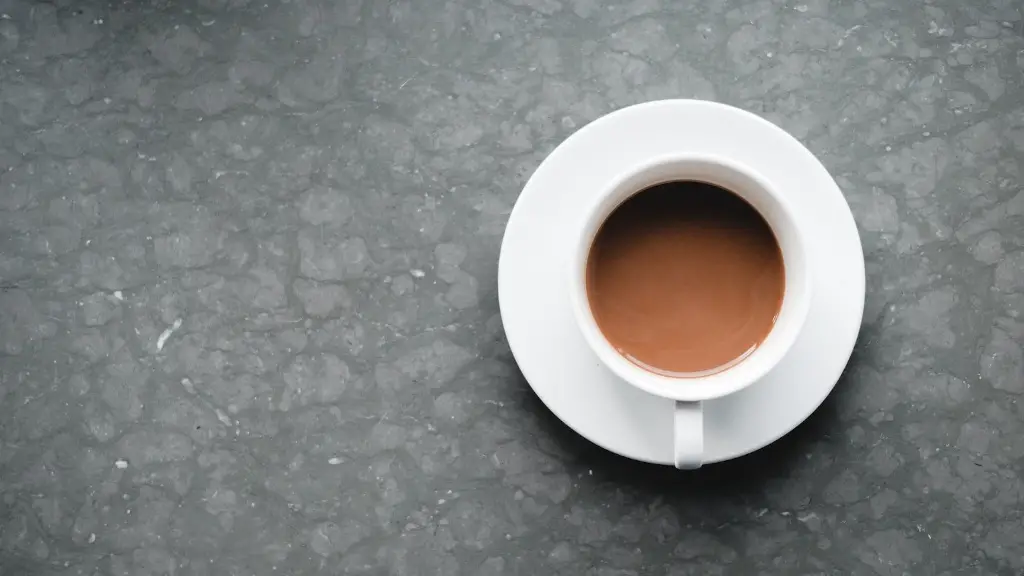
It is no secret that drinking coffee is an integral part of modern society. We have produced and consumed coffee for centuries, and its popularity is continuing to surge. According to research, in 2019 Americans drank a staggering 830 million cups of coffee per day, with an estimated 25 million espresso-based drinks produced every day in the United States alone.
However, there is still an ongoing debate surrounding the question of how much coffee we should be drinking in order to maintain a healthy lifestyle. With an abundance of conflicting advice, it can be difficult to figure out what’s best for our bodies – and in some cases, even dangerous. So how much coffee do you really need to drink?
The answer is – it depends. Everyone reacts differently to caffeine, and the amount you drink daily varies depending on your individual tolerance levels. It is important to note that the average adult can safely consume up to 400mg of caffeine a day. Studies have found that drinking more than this amount can lead to symptoms such as restlessness, anxiety, jitteriness and sleep disturbances.
The American Heart Association have released guidelines stating that it is safe to consume up to three 8-ounce cups of coffee per day, which equates to around 300mg of caffeine. However, this is not set in stone as caffeine is a stimulant and affects individuals differently. Therefore, if you’re experiencing any of the negative symptoms mentioned above, it’s best to reduce your coffee intake – or consider switching to decaffeinated coffee.
That being said, some studies suggest that coffee can be beneficial for our health in moderation. Regularly drinking up to four cups of coffee a day has been linked to a lower risk of early death from any cause, as well as a blockage of blood vessels. It is also believed to be rich in antioxidants—substances that can help protect our bodies from damage by free radicals, which are by-products of everyday life.
Coffee in different forms
Coffee isn’t just limited to an espresso, and comes in many forms. Alongside black coffee, there are also other types of coffee beverages, such as lattes, cappuccinos, macchiatos and mochas, which contain other ingredients such as milk, cream and syrups. As well as adding to the flavor, these ingredients add to the caffeine content of your drink.
So if you’re struggling to cut back or want to reduce your caffeine intake, it may be worth considering which coffees to drink and limit or avoid some of the more sugary, caffeine-rich versions.
Coffee alternatives
If you’re looking for a caffeine hit but don’t want the jitters associated with coffee, there is an alternative. Decaf coffee contains a fraction of the caffeine of regular coffee, usually containing about 2–3 milligrams per cup, and is an ideal choice for those looking to reduce their daily caffeine intake.
Caffeine-free herbal teas are also gaining traction in the world of Health and Beverage, offering a natural and flavorful alternative to coffee. With a plethora of different varieties, you have endless choice – and if you’re looking for a caffeine fix, many types of green tea also contain caffeine.
Tips to reduce your coffee intake
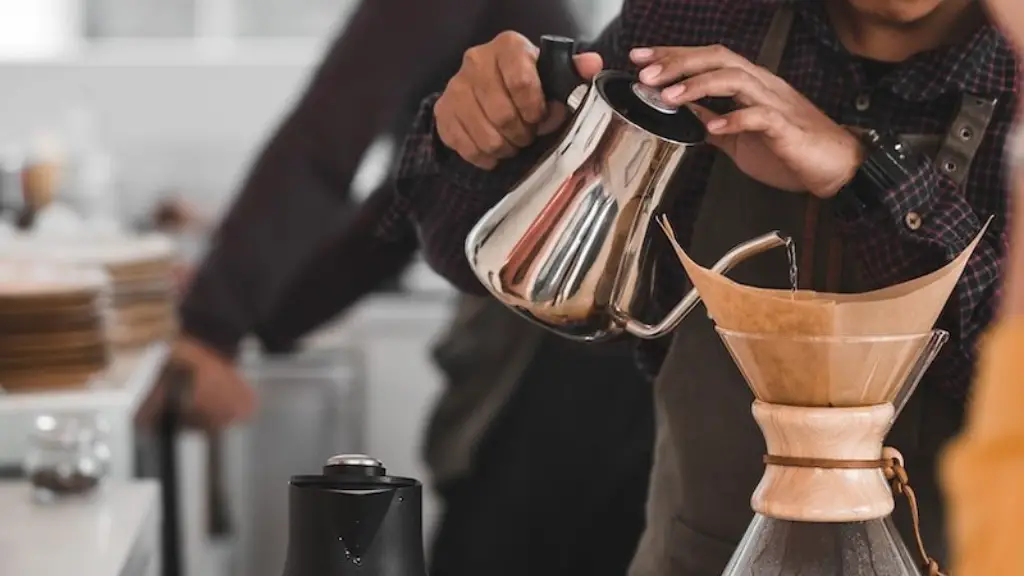
If you have been feeling overwhelmed or exhausted after drinking too much coffee, these tips may help reduce your caffeine intake:
- Know your limit – As previously mentioned, the general recommendation is to stick to up to three 8-ounce cups of coffee a day. However, this may vary depending on your individual tolerance levels.
- Know your sources – If you’re struggling to reduce your caffeine intake, it may be worth considering which coffees to drink and limit or avoid some of the more sugary, caffeine-rich versions.
- Drink more water – Staying hydrated is key to keeping your energy levels up and could help reduce craving for caffeine. Try and take occasional breaks for a glass of water throughout your day.
- Opt for decaf – If you’re looking for a caffeine hit without the jitters associated with coffee, switch to decaf or herbal tea.
- Try natural alternatives – There are several naturally caffeine-free drinks on the market such as herbal, root and ayurvedic teas, which can help you break your addiction to caffeine while still enjoying a delicious and flavorful hot beverage.
Conclusion and Implications
It is important to remember that everyone’s body responds differently to caffeine, and there is no one-size-fits-all rule. Moderate coffee consumption is an individual decision. If you’re feeling anxious or overwhelmed, it is best to reduce your coffee intake and consider other alternatives.
Coffee has been linked to various health benefits, and is an important part of many peoples daily routines. However, being aware of your own tolerance and limits is key to ensure you are able to keep the balance between coffee and health.
