
Coffee has become one of the most popular drinks around the world and it is often consumed for its calming effect and energy boost. Research suggests that it can also be beneficial for weight loss, as it can boost metabolism, increase energy levels, and suppress appetite. As with any type of weight loss regimen, it is important to exercise caution when adding caffeine to your diet and to limit the amount consumed. The amount of coffee to drink for successful weight loss will depend on an individual’s body health.
The amount of caffeine in a cup of coffee will vary depending on the type and strength of the brew. An 8-ounce cup of regular, brewed coffee contains approximately 95 to 165 milligrams of caffeine, while an 8-ounce cup of espresso contains approximately 63 to 126 milligrams of caffeine. While studies have suggested that moderate caffeine intake (up to 400 milligrams per day) may aid in weight loss, too much caffeine can be detrimental.
Experts usually recommend limiting your daily caffeine intake to under 400 milligrams. Consuming too much caffeine can cause restlessness, anxiety, insomnia, and poor concentration. It can also lead to dehydration, which can decrease the metabolism. Therefore, it is important to limit your caffeine intake to 300 milligrams per day.

Studies suggest that metabolisms can be effectively boosted when consuming up to four cups of coffee a day. However, it is important to note that the body’s reaction to caffeine can differ for each person. Therefore, it is important to experiment with different amounts of coffee to find the amount that is most effective for losing weight. It is also important to ensure that any coffee consumed contains only natural ingredients to ensure that the benefits of drinking coffee outweighs any potential risks.
In addition to boosting metabolism, coffee can also act as an appetite suppressant. Studies have shown that drinking one or two cups of coffee before a meal can help to reduce hunger and lower caloric intake while eating. Additionally, drinking coffee before workouts can help to increase energy levels, enabling individuals to sustain longer and more effective workouts.
When attempting to lose weight with coffee, it is important to combine it with balanced nutrition and regular exercise. For optimal weight loss results, it is best to choose coffee with natural ingredients and to limit your intake to one or two cups per day. Furthermore, drinking too much coffee can lead to restlessness, anxiety, insomnia, and poor concentration. Therefore, regardless of how much coffee is consumed for weight loss, it is important to listen to the body and to adjust your caffeine intake if necessary.
Caffeine Content
As previously mentioned, the amount of caffeine contained in a cup of coffee will depend on the type of coffee and its strength. Additionally, the addition of sugar or cream may also affect caffeine levels. In general, it is recommended to limit or avoid the consumption of sugary and creamy drinks, as these can lead to weight gain.
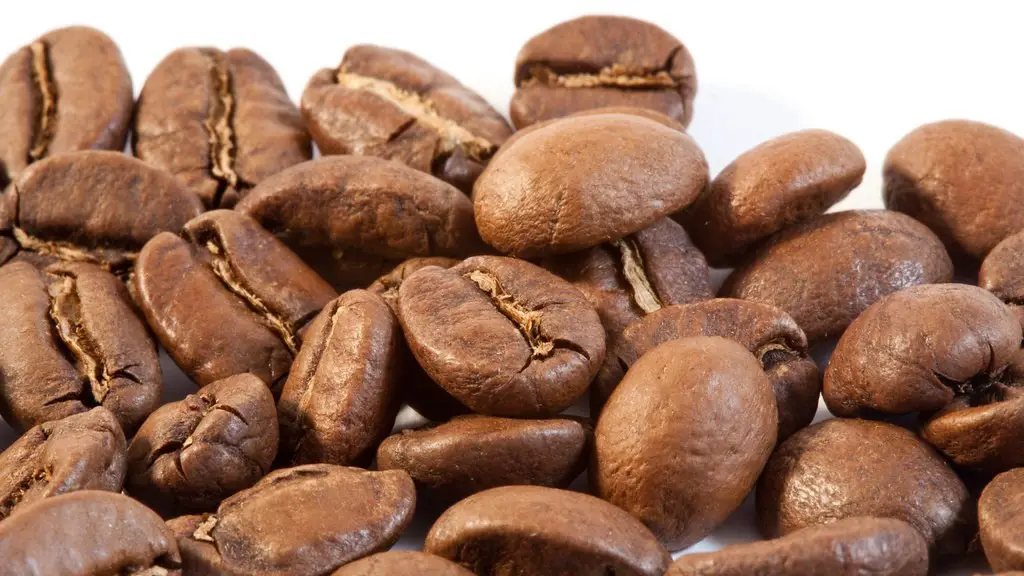
For those who prefer espresso, one cup of espresso contains about 63 to 126 milligrams of caffeine. For individuals who prefer regular coffee, one cup contains roughly 95 to 165 milligrams of caffeine. For individuals who want a healthier option, decaffeinated coffee is available and contains only 2 to 12 milligrams of caffeine.
The amount of caffeine contained in other types of coffee, such as cappuccino and latte, will depend on the ingredients and how much is added. In general, it is recommended to opt for coffee-based drinks instead of those with added syrups and sugary additives, as these can lead to weight gain.
Benefits of Coffee
Studies have suggested that consuming moderate amounts of caffeine can be beneficial for weight loss. Caffeine has been shown to boost metabolism, increase energy levels, and suppress appetite. Additionally, consuming coffee before a workout can help to fuel physical activity and sustain it for a longer period of time. Regular and moderate consumption of coffee can also help to reduce hunger and, as a result, can lead to lower caloric intake during meals.
In addition to aiding in weight loss, moderate amounts of caffeine can also improve concentration and memory retention, help to increase alertness, and combat the symptoms of depression. Furthermore, research has suggested that coffee can help to reduce the risk of type 2 diabetes, stroke, Parkinson’s disease, and certain types of cancer.
Risks and Side Effects

Similar to any other type of drug, consuming too much caffeine can cause serious side effects. Consuming more than 400 milligrams of caffeine can cause restlessness, anxiety, insomnia, and poor concentration. Additionally, too much caffeine can lead to dehydration, which can further reduce the body’s metabolic rate. As a result, it is important to limit the amount of caffeine that is consumed and to listen to the body’s individual reactions.
Consuming too much caffeine can also pose additional health risks to pregnant women and those with heart conditions. Additionally, caffeine can interfere with the body’s absorption of certain medications, such as antibiotics and birth control pills, and can result in serious health complications. Therefore, it is important to consult a doctor before taking caffeine supplements or increasing caffeine intake, as everyone’s body responds differently.
Attempting to Lose Weight with Coffee
When attempting to lose weight with coffee, it is important to exercise caution and to limit the amount of caffeine that is consumed in order to prevent health risks. Studies have suggested that one or two cups of coffee (without added sugar) per day can be beneficial for weight loss and can help to boost metabolism. However, it is important to experiment to determine the amount of coffee that works best for an individual’s body type.
In addition to limiting caffeine intake, it is important to ensure that the coffee being consumed is of natural ingredients and does not contain any added sugars, creams, or syrups. Additionally, it is important to combine coffee consumption with balanced nutrition and regular exercise for optimal weight loss results. Lastly, if any of the symptoms of consuming too much caffeine occur, it is important to decrease the amount consumed or to eliminate it from the diet altogether.
