
Coffee consumption during pregnancy can be a confusing concept for many expectant mothers. On one hand, coffee is known to provide a significant boost in energy and alertness, which many pregnant women find difficult to do without. On the other, it’s common knowledge that too much caffeine can be bad for the unborn baby. This leads many women to opt for decaf coffee. But how much decaf coffee is safe for pregnant women to consume?
This is a question that has long baffled researchers and experts. A 2018 study published in the journal BMC Pregnancy and Childbirth found that women who drink decaffeinated coffee have a nearly 15 percent lower risk of stillbirth compared with women who drink no coffee at all, suggesting that a moderate amount of decaf coffee is safe for pregnant women.
However, the amount of decaffeinated coffee that is considered safe is still a source of debate. The American College of Obstetricians and Gynecologists (ACOG) does not provide a specific recommendation on the matter, although it does suggest that pregnant women limit their caffeine intake to 200 milligrams per day, or about two 8-ounce cups of coffee. Given the caffeine levels in decaffeinated coffees are generally much lower than regular coffee, this would suggest that two cups of decaf should generally be considered safe.
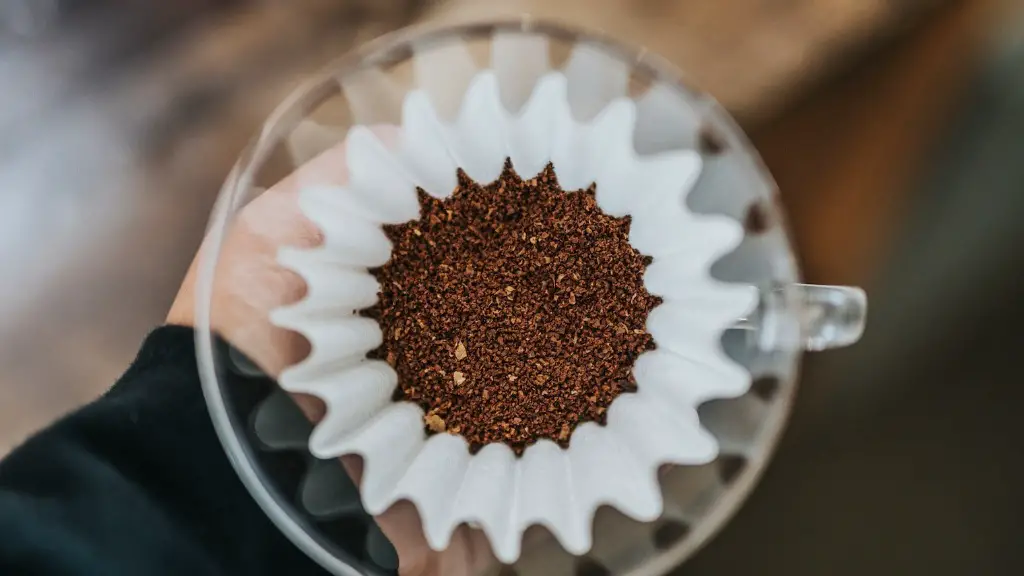
At the same time, there is also evidence to suggest that it isn’t just caffeine that can cause harm to the unborn baby. Decaffeinated coffee may still contain some caffeine, as well as other chemicals that can potentially be bad for the baby. For this reason, some experts recommend limiting decaffeinated coffee consumption to only one cup a day, or even avoiding it altogether.
Dr. Isadora Peric, a gynecologist and obstetrician at the University of Maryland Medical Center, explains: “There isn’t enough evidence to say whether decaffeinated coffee is safe or not for pregnant women, which is why it’s best to limit or avoid it.”
Though the jury is still out on the amount of decaf coffee women can safely consume, it’s important for pregnant woman to recognize that there are other ways to get a necessary dose of energy in the morning without having to turn to coffee. Foods like oatmeal, granola and yogurt are all naturally high in energy-giving carbohydrates and can provide a healthier way of getting a pick-me-up during pregnancy.
Herbal Teas for Pregnant Women
Herbal teas – like chamomile, mint and rooibos – have become increasingly popular substitutes for coffees and other caffeinated beverages in recent years. Many of these teas contain naturall ingredients that have been shown to aid in digestion, reduce anxiety, and even help to induce relaxation. The best part is that they’re typically lacking in caffeine, meaning they’re perfectly safe for pregnant women to consume. This makes herbal tea a great alternative to coffee, and a great way for pregnant women to get the energy boost they need without risking their unborn baby’s health.
The Benefits of Green Tea
Green tea is unique in that it contains a substance called epigallocatechin gallate (EGCG) that is believed to be beneficial to human health. This substance has been shown to reduce inflammation and can even help with weight loss. It is important to note, however, that green tea does contain caffeine, making it a less-than-ideal choice for pregnant women. That said, it may still be possible for women to reap the benefits of green tea if consumed in moderation. It’s recommended that pregnant women not exceed two to three cups of green tea per day.
Are Decaf Coffees Healthy for Pregnancy?
Decaf coffees have been gaining traction in recent years, particularly among those looking to reduce their caffeine intake. While decaf coffees generally contain much less caffeine than regular coffees, it’s important to note that they can still contain small amounts, making them an uncertain choice for pregnant women. Additionally, decaf coffees can contain large amounts of sugar, which can be bad for pregnant women and their unborn babies. Therefore, pregnant women should not drink decaf coffee as a primary source of caffeine, and should instead turn to natural and healthy sources of energy instead.
Alternative Beverages for Expectant Mothers
Fortunately, there are a number of alternatives for pregnant women who are looking for energy and alertness in the mornings. Non-caffeinated beverages like water, milk, or juice can all provide a much needed boost, as can foods like yogurt, oatmeal, and granola. Pregnant women looking for something a little bit sweeter can turn to naturally sweetened drinks like sparkling water with a splash of lemon, or dilute fruit juice. All of these drinks are much healthier than coffee and can provide a boost in energy without any of the risks.
Risks of Excessive Caffeine Consumption During Pregnancy
The biggest concern with caffeine consumption during pregnancy is the potential for adverse effects on the unborn baby. Too much caffeine can increase the risk of miscarriage, low birth weight and other birth defects. In addition, excessive caffeine consumption has been linked to a higher risk of high blood pressure, insomnia and anxiety. Therefore, it’s important for pregnant women to be mindful of their caffeine intake and to avoid drinking too much.
Bottom Line
Decaf coffee can be a great option for pregnant women who are looking for a little bit of energy and alertness in the mornings, but it’s important for pregnant women to be mindful of their caffeine intake. While studies have suggested that a moderate amount of decaf coffee is safe for pregnant women, it’s always best to err on the side of caution and limit consumption to no more than one cup a day. Additionally, it’s a good idea for expectant mothers to make sure to include plenty of healthy and natural energy sources in their diets, such as fruits, vegetables and lean proteins.
