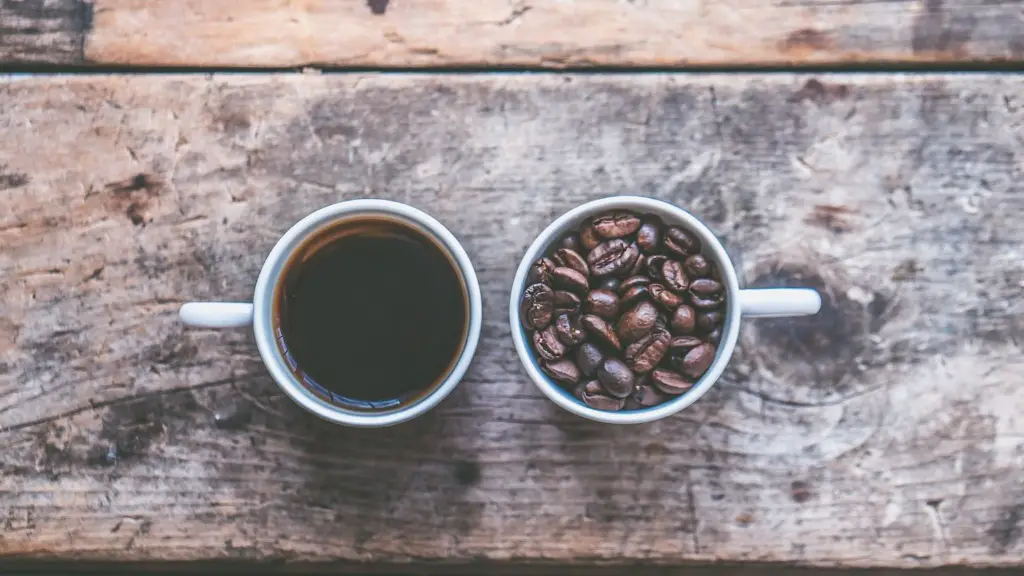
Coffee and other caffeinated beverages can be a great way to kick yourself into high gear when pregnant, but there are some things to consider before taking a sip. While drinking coffee while pregnant is usually considered safe, it’s important to monitor how much caffeine you’re consuming, and how often. In small amounts, coffee can be beneficial, but it’s important not to overdo it.
Broadly speaking, most health organisations advice pregnant women to limit the amount of caffeine they consume to 200mg or less a day. This equates to roughly one 12 fl.oz cup of coffee, or two cups of tea. After that, any additional caffeine intake should not exceed 100mg. That’s important to note, as caffeine can cross the placenta and possibly reach the baby.
However, this does not mean completely abstaining from coffee or other caffeinated drinks. Pregnancies can be stressful, particularly for mothers-to-be, and a cup or two of decaf (or regular) coffee per day can be an ideal way to start the day. But it’s important to watch how you feel too, as while caffeine can be beneficial, it can also can leave you feeling jittery or anxious. Listening to your body is key.
It’s also worth noting that pregnant women should take extra precaution with foods and drinks containing caffeine. It’s important to read labels and ingredient lists closely, as caffeine can be found in places you’d least expect (chocolate, cold medicines). Additionally, energy drinks, while they may not contain coffee, usually have high levels of caffeine.
Ultimately, drinking coffee during pregnancy depends on what’s best for you and your baby. If you’re planning on drinking coffee or enjoying other caffeinated treats, it’s highly recommendable to consult your doctor. Don’t be afraid to ask. After all, that’s what they’re there for.
The Effects of Too Much Caffeine
Having too much caffeine during pregnancy has several potentially dangerous consequences. While research has not fully established a definitive link between caffeine consumption and negative pregnancy outcomes, the research consensus tends to lean towards a higher degree of caution in order to protect the health of the baby and the mother.
Some research has linked higher levels of caffeine consumption to problems such as an increased risk of miscarriage, and a lower birth weight in babies. Additionally, caffeinated beverages can be a substitute for more nutrient-dense options, thus risking the baby’s healthy nutrition requirements.

Ultimately, the earlier you monitor your caffeine intake during pregnancy, the better. Even though it’s usually safe to consume a cup or two of coffee per day, it’s important not to overlook the potential risks that come with drinking too much. Always consult other medical professionals, such as your doctor.
Benefits of Coffee during Pregnancy
Although there are potential risks associated with drinking coffee during pregnancy, it’s important to consider the potential benefits as well. Some research suggests that pregnant women who consume caffeine – in moderate amounts – have fewer episodes of fatigue, are better able to concentrate, and are prone to less headaches than those who abstain from it completely.
Additionally, research has also demonstrated that coffee might play a role in reducing the risk of a variety of illnesses. During pregnancy, consuming up to 200mg of coffee per day, has been linked to a reduced risk of cognitive disorders, such as Parkinson’s, and has even been linked to a reduction of the risk of type 2 diabetes.
Furthermore, coffee contains several beneficial vitamins, minerals, and antioxidants, which can be beneficial for pregnant women. In moderate amounts, coffee is a much healthier alternative than energy drinks or sugary soda. Therefore, if you’re looking for a way to boost both your energy and your wellbeing, a cup of coffee might just be the way.
A Guide to Decaf

Decaf coffee can be a viable alternative for pregnant women who don’t wish to quit drinking coffee altogether, or those who have been advised to reduce their caffeine intake. Most instant coffee and pre-ground coffee has already been decaffeinated, usually via chemical processes. However, decaf coffee can still contain small amounts of caffeine, as much as 12mg per cup.
Overall, decaf coffee is a much healthier alternative to regular coffee. Deciphering which of these coffees has the least amount of caffeine can be a challenge, as labels can be misleading. To be safe, the best approach is to look for the words “100% decaffeinated” on the packet – although even then, you should always double check and ask your doctor.
Home Brewed Coffee vs. Store Bought Coffee
When pregnant, it’s convenient to have coffee-on-the-go. Store bought coffee can often be heavy on the calories and sugar, especially with added flavours and milks. As such, it’s important to monitor coffee purchases and their ingredients. Alternatively, coffee purchased from a cafe should also come under scrutiny, but only they can judge what’s best for them.
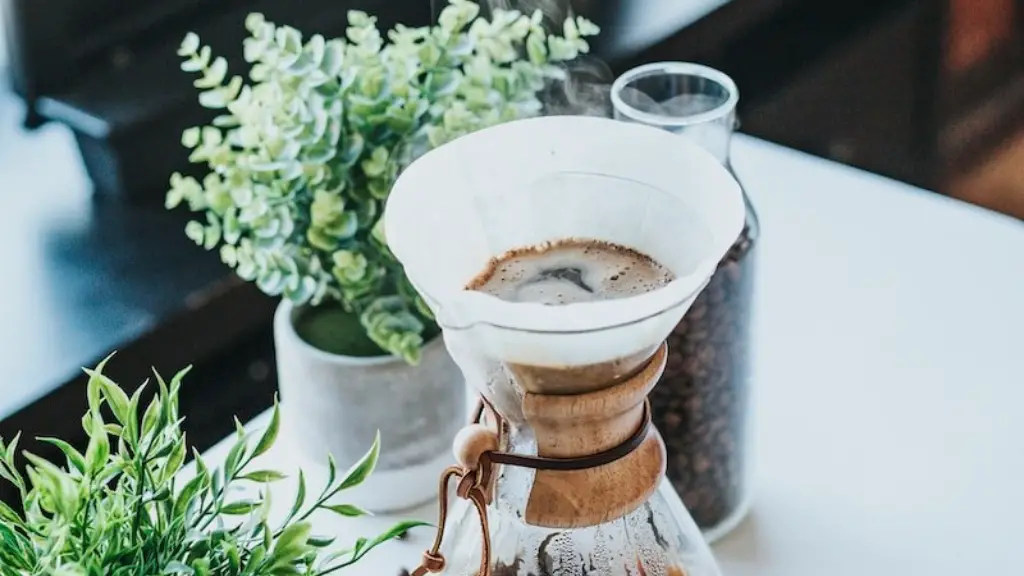
Home brewed coffee is, perhaps, the very best option, particularly when pregnant.A good quality home espresso machine can grant free reign to control exactly what goes in your coffee. Caffeine levels, sweetness, and creaminess can all be tweaked and tweaked to find the perfect recipe. That said, make sure to check the packaging and ensure it comes from a reputable source.
Clarifying Misconceptions
Finally, pregnant women have been faced with countless myths and misconceptions around drinking coffee. Many individuals suggest that pregnant women must altogether abstain from drinking coffee. Ultimately, that’s up to the woman and her family. As long as consumption of coffee or other caffeinated products does not exceed 200mg a day, there should be no problem.
Given the frequent confusion regarding what’s safe to consume, and what’s not, it is important to research before having any doubts. When in doubt, always contact a medical professional, who will provide adequate advice.
The Importance of Moderation
Sheer moderation is the one of the key factors when it comes to drinking coffee while pregnant. Abstaining is not always necessary, but it’s important to be aware of how much you’re drinking and what the possible effects are. Its also important to be aware of your sources, as caffeine can come in unexpected places.
Overall, drinking coffee during pregnancy can be beneficial, in moderation. Listening to your body, talking with your doctor and leading a healthy lifestyle are all key factors in ensuring that you and your baby are safe, healthy and happy.
Alternatives to Coffee
Fortunately, when pregnant, there is an abundance of alternatives to coffee. Delicious spices such as cardamom, nutmeg or ginger can be used to create a variety of energising yet, caffeine-free drinks. Additionally, decaffeinated teas and herbal teas also provide solid alternatives as well.
Apart from caffeinated beverages, there are several sources of energy which should be taken under consideration. Taking short naps throughout the day, eating nutritious and healthy meals and engaging in moderate exercise might be far better than relying on massive doses of coffee throughout the day.
Overall, while coffee can be safe to consume during pregnancy in moderate amounts, it is important to remember that it’s not the only source of energy. Even pregnant women need to spread their food and beverage sources in order to stay healthy, in addition to drinking coffee.
Weight and Caffeine Consumption
When pregnant, one’s diet is vitally important to the health of the baby. In order to maintain a healthy level of weight, it is advised by medical professionals that pregnant women limit their daily portion sizes and follow a balanced calorie diet. Caffeine often leads to the consumption of snack foods, as caffeine can be a craving for some women.
Therefore, it is important to note that drinking coffee during pregnancy can lead to overeating or the consumption of unhealthy snacks. It is always important to consider the consequences of what one is eating or consuming, in order to remain healthy and look out for the baby’s well-being. As such, women should be mindful of the risk of unhealthy snacking while consuming caffeine.
Good Quality Coffee and Pregnancy
When putting together the puzzle of drinking coffee while pregnant, it’s important to understand the implications of quality over quantity. Notably, drinking a cup of good quality coffee is much healthier than having sugary and chemical-ridden pre-ground coffee cups or sugary, energy-packed drinks.
For best results, opt for organic, whole-bean coffee when in doubt. Not only is it better quality, but its richer in vitamins, minerals, and antioxidants. Even then, however, it’s important not to overdo. Avoiding the temptation of having a second cup of coffee is sometimes more important than the quality of the coffee itself.
