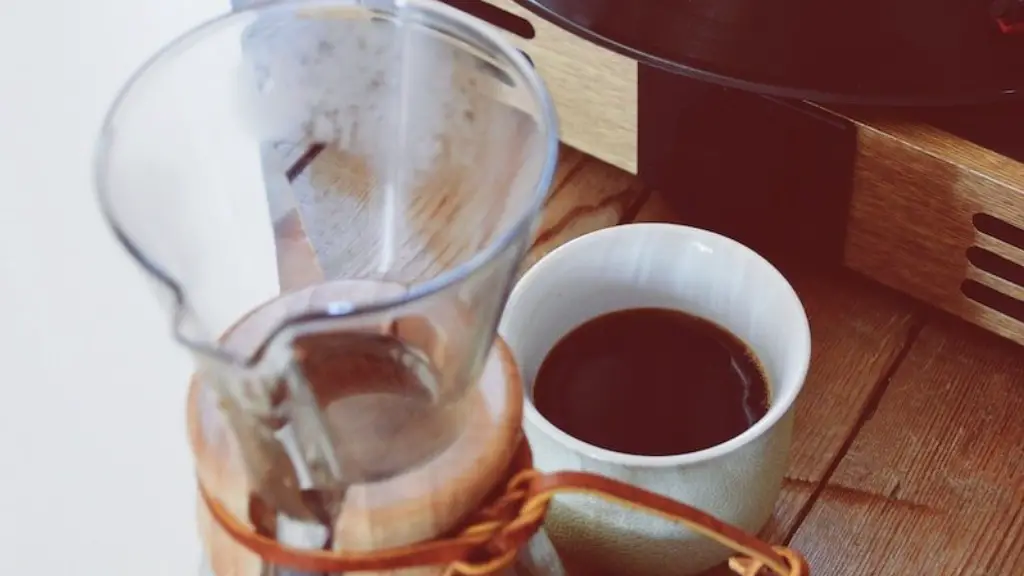
Coffee is undoubtedly the most popular beverage in the United Kingdom. Every morning, millions of people start their day with a cup of java. It’s a simple pleasure that many people enjoy but some may wonder, how old do you need to be to drink coffee?
In the Soceity of the United Kindom, it is legal to buy and consume coffee at any age. There are no legal restrictions in place for drinking coffee, no matter what age you are. This is likely due to the fact that most caffeinated drinks contain very small amounts of caffeine, which is generally recognized as safe for consumption.
However, some experts advise caution when considering age and coffee consumption. Many nutritionists recommend that children or adolescents under the age of 16 should avoid drinking too much caffeine as it can interfere with their developing bodies and cause sleep disturbance.
Studies have suggested that excessive caffeine intake can also have an adverse effect on the cardiovascular system in children. It can cause the heart to beat faster and increase the risk of high blood pressure. While the majority of adults can handle caffeine without any adverse effects, the same cannot always be said for young people.
For this reason, it may be prudent to limit your children’s caffeine intake until they reach the age of 16 or 17. Many nutritionists also suggest that any caffeinated beverages be consumed in moderation, as too much can cause negative side effects such as headaches, jitters and dehydration.
One way to mitigate the risk associated with caffeine is to encourage children to drink decaffeinated versions of coffee. Decaffeinated coffees contain lower levels of caffeine, and in some cases are almost caffeine-free. This can be a great option for people of all ages, especially those who are sensitive to caffeine or who are under the age of 16.
If you plan to let your children drink coffee, it is essential to educate them on the effects of caffeine. Educate them on when to properly limit their caffeine intake and how to choose the best decaf options. This will ensure they consume coffee safely, without having to worry about any potential health implications.
Coffee Intake and Mental Health
Although it may be safe for children to drink coffee, it is important to note that excessive intake can have implications for mental health. Studies suggest that children who consume high amounts of caffeine are more likely to suffer from anxiety, stress, and depression.
It is thought that this may be linked to the increase in heart rate that is caused by caffeine intake. This heightened level of awareness may leave children feeling tense and jittery, which can lead to mental health issues.
Therefore, it is important to monitor your children’s coffee consumption. Too much caffeine can be dangerous and should be avoided. If possible, encourage your children to drink decaffeinated coffee instead and consider limiting their total consumption.
Alternatives to Coffee
If you’re looking for a safe alternative to coffee for your children, there are plenty of options. Tea is a great option, as it contains low levels of caffeine and lots of antioxidants. Herbal teas are an especially attractive option, as they don’t contain any caffeine at all.
Fruit juices are also a great option for kids and can provide the same energy boost as coffee. These are great for hydrating the body and providing a natural energy boost with few of the dangers associated with caffeine.
Hot chocolate is a great option for younger kids and can provide a tasty alternative to coffee. It is caffeine-free and the milk can help to provide extra calcium, which is essential for healthy development.
Milkshakes and smoothies are also great options for kids and contain plenty of vitamins and minerals. These options can be healthier than coffee, and can provide energy without the risks associated with caffeine.
Types of Coffee
When it comes to coffee, there are lots of options available. Different types of coffee can have different flavours and levels of caffeine, so it’s important to know what you’re getting before you buy it.

Perhaps the most popular type of coffee in the UK is the latte. This is a type of coffee that is made with espresso and steamed milk. The espresso gives it a strong, bitter flavour and the milk makes it smoother and creamier.
Cappuccinos are similar to lattes, but they tend to be more milky and less strong. This type of coffee is usually topped with a thick layer of frothy foam, which can be flavoured with chocolate or cinnamon to add more sweetness.
Americano is a type of coffee that has become popular in recent years. It is a type of espresso that has been diluted with hot water to create a stronger, more bitter flavour. This is the perfect option for someone who wants a strong kick of caffeine.
Café lattes, mochas and frappes are also popular types of coffee. These drinks are usually flavoured with syrups or chocolate, and tend to be sweeter than plain coffee. They are often topped with cream or whipped cream, making them a great option for someone looking for a treat.
Cost of Coffee

Coffee can vary in cost depending on where you buy it and what type you get. Pre-packaged bags of instant coffee granules or ground coffee tend to be the cheapest option, although they can produce a weaker cup than fresh coffee.
On the other hand, if you want to buy fresh coffee beans, you can expect to pay a little more. Generally speaking, though, prices tend to be fairly reasonable and won’t break the bank. If price is a concern, then it may be worth looking out for special offers in supermarkets or coffee shops.
Of course, if you’re looking for a truly special cup of coffee then you may want to head to a specialty coffee shop. Here you can expect to pay more for your coffee, but you’ll be sure of a high-quality cup of joe.
Overall, if you want to buy coffee for your children, the cost will depend on what you buy and where you buy it. It’s a good idea to shop around to find the best price, and if you’re not sure what to get opt for decaffeinated options.
Conclusion
In conclusion, it is legally permissible to buy and consume coffee at any age in the UK. However, some health experts suggest caution when it comes to children drinking coffee, as too much caffeine can interfere with their development. For this reason, it is important to educate children on the effects of caffeine and to make sure they limit their intake.
If you’re looking for an alternative to coffee for your children, then there are plenty of options. Tea, fruit juices, hot chocolate, milkshakes and smoothies are all great options for kids and provide a natural energy boost with far fewer risks than coffee.
Finally, when it comes to cost, coffee can be purchased for a reasonable price depending on the type and where you buy it. Shopping around is a great way to find the best deal and if price is a concern, keep an eye out for special offers.
