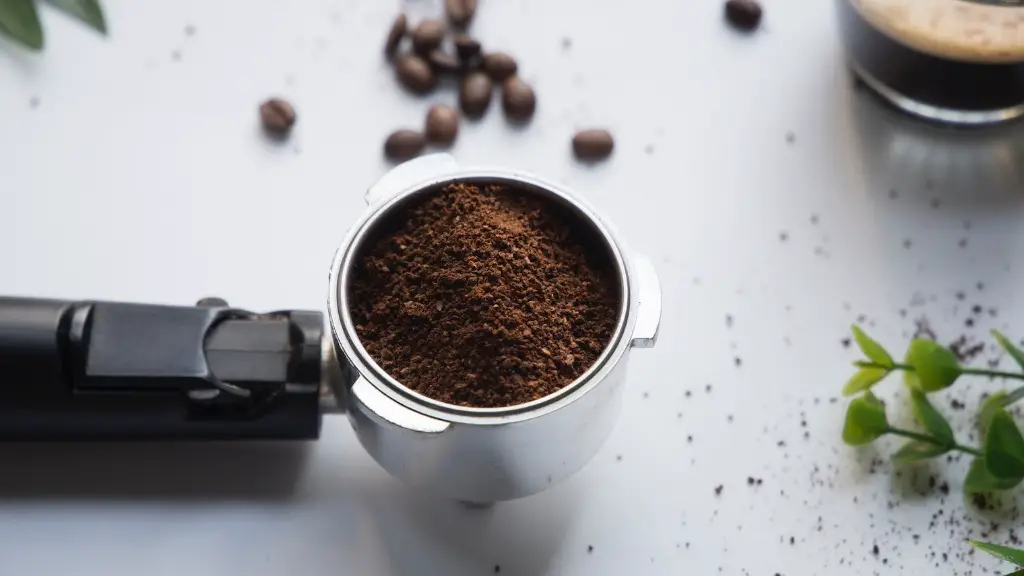
The idea of enjoying the newfound trend of coffee-drinking can be exciting, but it can also be daunting for someone who is inexperienced in the art of coffee-drinking. Luckily, becoming a coffee drinker isn’t as hard as it seems. With a few simple steps, and some guidance, anyone can join in on the coffee-loving culture.
First and foremost, it is important to develop a taste for coffee. Trying different types, from flavored beans to plain black, is the best way to find which one suits your particular palate. Some prefer a strongly brewed robust cup, while others enjoy a more mild, aromatic cup of coffee. Trusting your own judgement when it comes to coffee will help develop a new level of appreciation for it.
It is important to also consider what type of machine will best suit your coffee-making needs. Consumers have many different options in terms of coffee makers. A French press is ideal for a strong, smooth cup of black coffee, while a single-serve machine is a great option for those limited on time. The best way to decide on what coffee-making machine to use is to consider your needs and preferences.
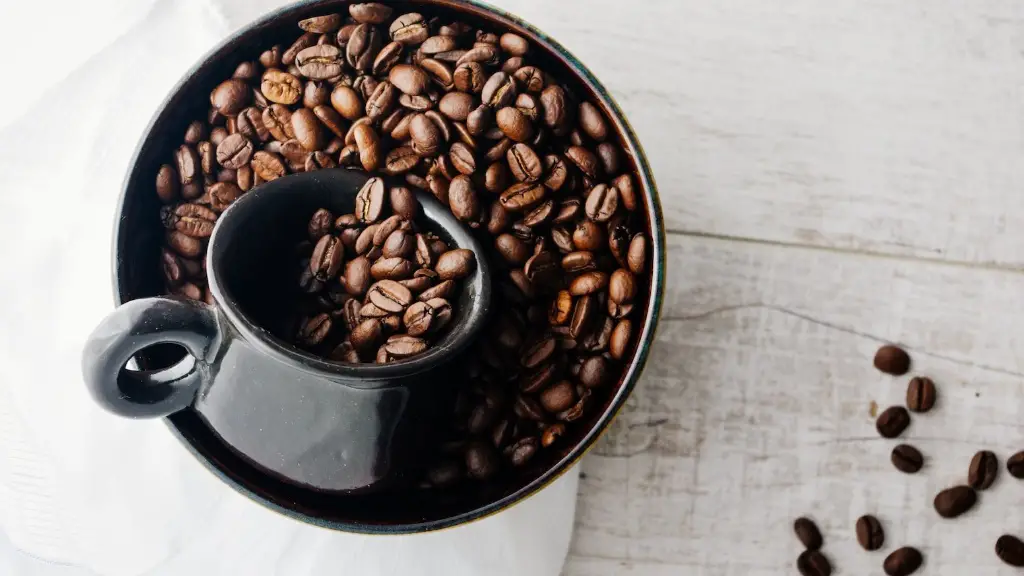
Additionally, coffee beans are important factors to consider. Specialty coffee shops are emerging across the world, making it easier to find coffee beans freshly roasted and ready to be brewed. Roasting intensity and origin of the bean also matters; if you’re looking for a more intense flavor to your cup, buying a darker roast may be a better option. On the other hand, for a lighter, more aromatic cup a lighter roast is ideal.
Once you become a coffee drinker, it is important to stay aware of the impact coffee can have on your general health. Studies suggest that if taken in moderation, coffee may lead to improved mental health, enhanced energy levels, and even a decrease in cholesterol. However, it is important to keep in mind that excess coffee intake can lead to cardiovascular problems. Drinking coffee should be enjoyed, but with caution and moderation.
Making the transition to becoming a coffee drinker is a satisfying and enjoyable journey. With the right steps and insight, anyone can become a coffee-lover and start experiencing the daily joys of coffee. Knowing the right basics and exploring coffee with open eyes and palettes is the best way to fall in love with coffee.
Finding Quality Coffee Beans
Finding quality coffee beans is essential to becoming a coffee connoisseur. Good coffee beans can make the difference between a cup of coffee that satisfies your taste buds and one that doesn’t. Quality coffee beans can be found around the world, from major coffee producing countries in South America to small family-owned coffee shops.
When buying coffee beans, it’s important to make sure the beans are recently roasted. Coffee will go stale within a few weeks of roasting, so it’s best to buy beans from a roaster who is assured to be roasting their beans on a regular schedule. Additionally, speaking to the roaster yourself or reading reviews from customers can help decide whether a certain roaster produces quality beans or not.
High quality coffee beans are also proven to have fewer defects, have extraordinary taste and aroma, and are sourced from reputable farmers. Finding Coffee beans with clear origin labeling ensures the coffee is sustainable and has been ethically sourced.
Lastly, price shouldn’t be the factor in determining the type of coffee beans you will be buying. Cheap, lower quality products may be appealing don’t always be the best bang for your buck. Instead, it is advisable to invest in higher quality coffee beans with minimal defects and that are sourced from sustainable farms.
Exploring Brewing Methods
Brewing methods also play a big role in being a successful coffee drinker. Different brewing methods and techniques yield different results and bring out different flavor notes.
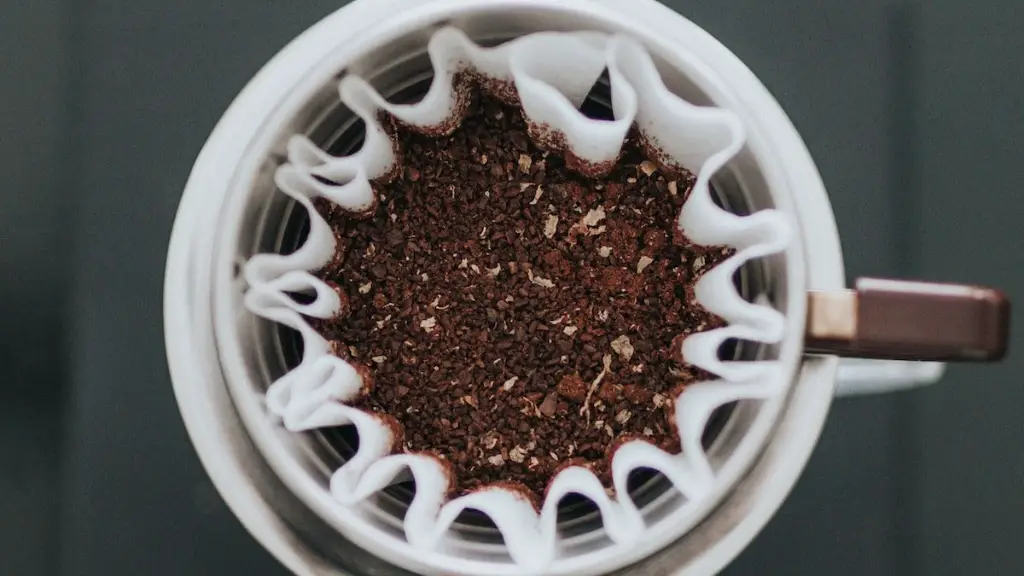
The single most popular brewing method is the manual drip method. In this method, hot water and ground coffee are mixed together and filtered through a paper filter. This yields a clean cup of coffee with milder flavors and aromas.
The French press method is another popular brewing method. This method steeps ground coffee beans in a container of hot water for several minutes, then plunges the grounds out when the container is to be removed from the machine. This method yields a cup of coffee that is full-bodied and intense in flavor, which many coffee drinkers prefer.
The pour-over method is similar to the manual drip method, but relies on manual pouring. A slower and more precise pouring method can lead to a more flavorful and aromatic cup of coffee. Additionally, some espresso-machines like Aeropress and Moka pots offer a newer way of brewing and can be used by newbie coffee drinkers or by more experienced coffee drinkers.
Discovering Various Flavor Profiles
To fully appreciate the comfort and joy of coffee, it is important to be aware of the various flavor profiles that it offers. Coffee has a plethora of flavors that can satisfy any taste buds. Depending on the type of coffee bean, coffee can have notes of fruity, chocolaty, floral and even nutty tones.
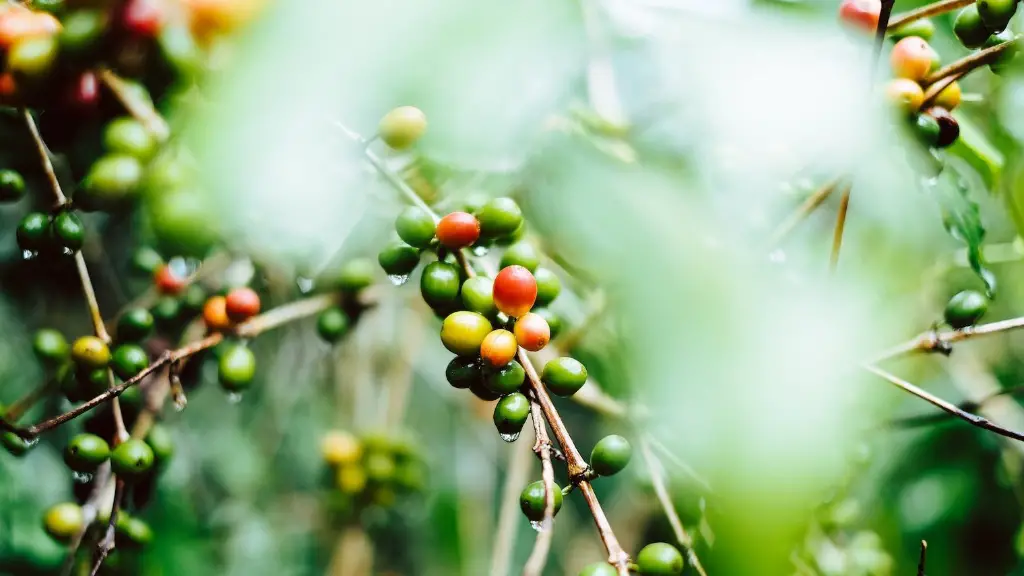
Buying different bean types (light, medium, or dark roast) can help develop your knowledge of coffee flavors. When it comes to exploring coffee’s flavor profile, there are also a variety of drinks available to sample, from the classic espresso drinks to more specialty coffee drinks. Some popular coffee drinks include cappuccino, latte, Americano, and mocha.
To take it one step further, it is important to track down the various coffee varieties. Origin of the coffee bean (Colombia, Ethiopia, Guatemala) and its flavor profiles also matter when exploring different varieties. Learning more about the coffee-making process and where the coffee is sourced from can help develop a greater appreciation for the craft of coffee.
Developing Your Palette
Developing one’s palette is one of the key aspects to becoming a successful coffee drinker. Coffee tasting or “cupping” is a practice adopted by professional tasters that involves tasting and analyzing coffee in order to identify its taste, aroma and consistency.
Cupping requires giving the coffee the same attention and respect that is usually given to a fine wine. Taking a few extra minutes to observe the appearance and aroma can help bring out different flavor notes and can also help identify the subtle notes of the coffee being tasted.
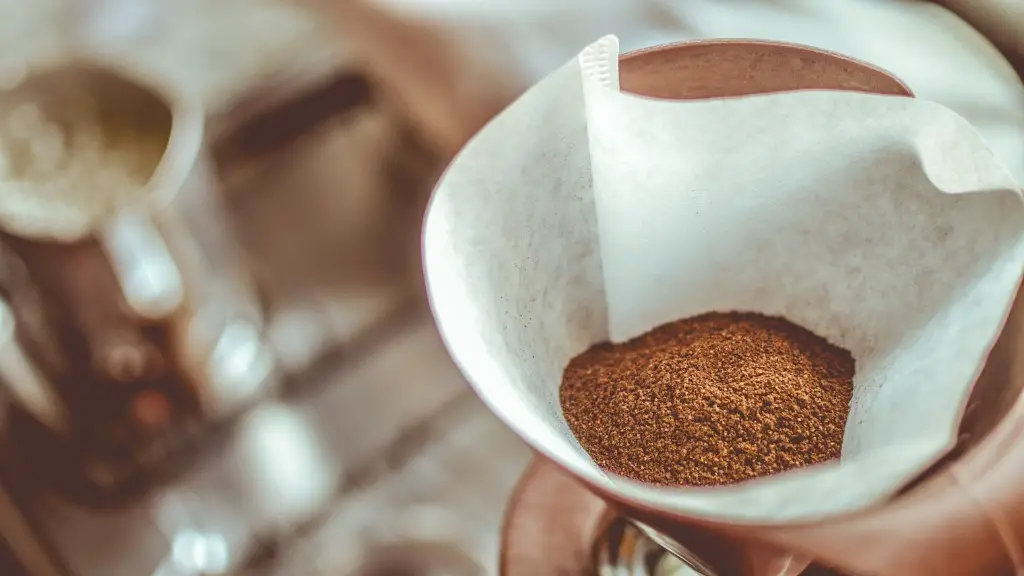
Practicing coffee cupping regularly can help develop newer tasting and smelling skills, which in turn can lead to greater appreciation for the craft.
Taking coffee cupping classes or attending coffee tasting sessions is another great way to explore coffee flavors. Participating in events that allow coffee aficionados to share their knowledge and insights, can really help coffee beginners to sharpen their tasting skills.
Enjoying the Process
It’s important to remember that becoming a successful coffee drinker takes time and doesn’t happen overnight. Being patient and enjoying the process of learning about coffee, as well as its different flavors and aromas, is a key part of the journey.
It is important to try to keep in mind that your experience with coffee may be different than the next person’s experience. Don’t compare your experience with anyone else’s, but use the journey of exploring coffee as an opportunity to learn, to share, and to find beauty in the craft.
Taking the time to read up on coffee related topics and insights is also a great way to further your knowledge of coffee and its history. Connecting with fellow coffee enthusiasts is another great way to learn more, get tips and tricks, and grow it as a community.
By approaching coffee with an open mind and enjoying the process of becoming a successful coffee drinker, the gratification and joy of coffee can truly be appreciated.
