What is Coffee?
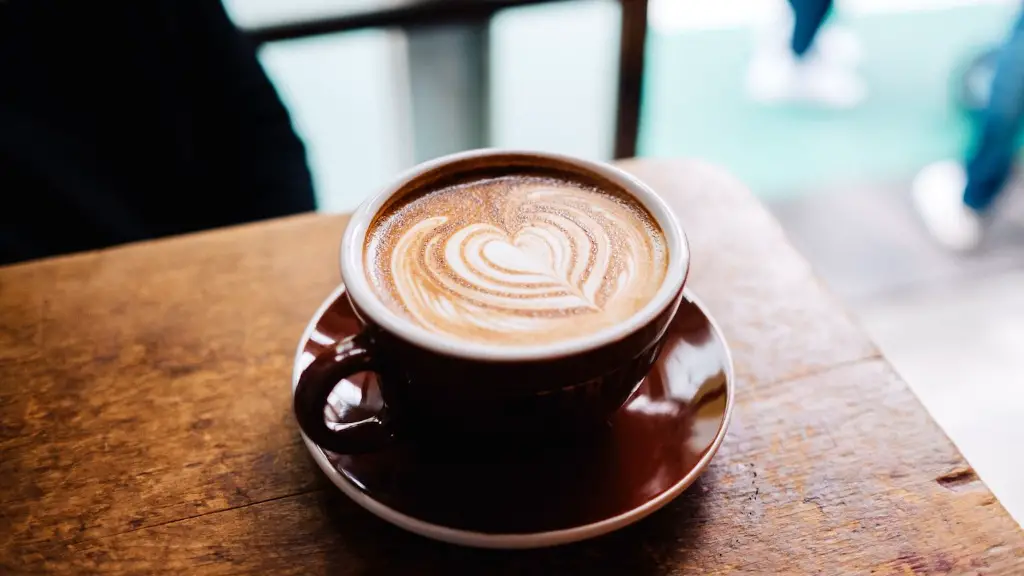
Coffee is one of the most popular beverages worldwide. It is made by roasting and grinding coffee beans, which contain the seeds of the coffee plant. This can be brewed in different ways, such as by filtering the hot water with a paper filter, by immersion or by percolation.
Coffee is a source of caffeine which has various properties, including acting as a stimulant, increasing alertness, improving concentration and aiding digestion. Different types of coffee contain varying amounts of caffeine, with Arabica and Robusta beans containing more caffeine than other types.
What are the Benefits of Drinking Coffee?
Drinking coffee can have several health benefits. Studies have indicated that drinking coffee may reduce the risk of type 2 diabetes, stroke and coronary heart disease. In addition, it is thought to reduce the risk of several cancers, including prostate and throat cancer.

Coffee also contains several antioxidants which may help protect against oxidative stress and reduce the signs of aging. Furthermore, the caffeine present in coffee can provide an energy boost, making it useful for improving alertness and concentration.
How to Drink Coffee Effectively?
There are several factors to consider when drinking coffee that can affect taste, energy levels and health. Here are some tips for drinking coffee effectively:
- Choose the type of coffee – Different types of coffee contain varying amounts of caffeine, so it is important to select one that suits your needs.
- Determine the desired effect – Caffeine can provide a boost of energy, but it also may contribute to jitteriness, so consider your goals when selecting the amount of caffeine.
- Drink in moderation – Too much caffeine can lead to feelings of anxiety, so limit consumption and drink other beverages in addition to coffee.
- Choose organic – Organic coffees are free from pesticides, so if health is a concern, opt for organic options.
- Opt for filtered – Filtering your coffee can reduce the risk of heartburn and other gastrointestinal issues.
Caffeine Alternatives
In addition to drinking coffee, there are several other beverages that contain caffeine and can provide an energy boost. For example, tea, energy drinks and even chocolate can provide a similar effect to coffee.
These alternative sources of caffeine can provide an energy boost, help improve alertness and focus, and can be useful for weight loss. Additionally, these drinks can be easier on the stomach than coffee, which can cause digestive problems in some people.
Replace Coffee with Healthy Alternatives
Replacing coffee with healthier alternatives may not be as effective in terms of providing an energy boost but can be beneficial for overall health. For example, green tea, herbal teas and fruit juices are all much healthier than coffee.
These alternatives can provide a number of health benefits, such as helping to kickstart the metabolism, boosting the immune system, and providing the body with essential vitamins and minerals. They are also much lower in caffeine than coffee, so can reduce any potential adverse effects.
ThePotential Drawbacks of Drinking Coffee
Although drinking coffee can have a number of health benefits, there are also some potential drawbacks. For example, too much caffeine can cause anxiety, irritability, insomnia and restlessness.
In addition, coffee can cause heartburn and aggravate gastroesophageal reflux, and can also lead to dehydration. Therefore, it is important to drink plenty of water alongside coffee to avoid dehydration.
How to Reduce the Risk of Adverse Effects from Drinking Coffee
To reduce the risk of adverse effects from drinking coffee, it is important to limit consumption to 1-2 cups per day. Additionally, it is important to choose organic coffees that are free from pesticides, and opt for filtered coffee as this can reduce the likelihood of heartburn and other gastrointestinal issues.
It is also important to ensure that you get enough sleep and that you drink plenty of water alongside coffee. Finally, consider trying alternative sources of caffeine, such as tea and energy drinks, to get an energy boost without the adverse effects of coffee.
What are the Alternatives?
If you want to reduce your caffeine intake, there are several alternatives that can provide an energy boost without the negative effects. For example, matcha, green tea and Yerba Mate all contain caffeine but are much lower than coffee and can provide a boost without the adverse effects.
In addition, kombucha, a fermented tea, is a great option for an energy boost as it also contains probiotics that help to balance the natural flora in the digestive system. Furthermore, herbal teas and juices are also great caffeine-free alternatives to coffee.
How to Add Healthy Habits to Your Coffee Routine?

In addition to reducing your caffeine intake, there are several other changes you can make to your coffee routine that can benefit your health. For example, adding milk or almond milk to coffee can provide essential nutrients, as well as help regulate blood sugar levels.
Adding spices, such as cinnamon or nutmeg, to coffee can also help add flavor as well as nutrients. Similarly, adding honey can add antioxidants and also reduce the need for sugar. Finally, it is important to be mindful of the type of coffee you are drinking. For example, organic coffees contain fewer pesticides, while filtered coffees can reduce the risk of heartburn and other gastrointestinal issues.
Conclusion
In conclusion, while coffee can provide an energy boost, it is important to drink it in moderation and choose organic options. Additionally, there are several alternative sources of caffeine, such as tea and energy drinks, that can provide a similar effect without the adverse effects. To further reduce the risk of adverse effects, it is important to get enough sleep, drink plenty of water and add healthy ingredients to your coffee routine.
