
Introduced in the 1950s, the Mediterranean diet has gained in popularity in recent years as an effective and healthy way to lose weight and prevent obesity. And while coffee is an important part of this diet, it must be consumed in a certain way to ensure the best results. So, if you are looking to drink coffee on the Mediterranean diet, here is what you need to know.
1. Avoid Sweetened Coffee Drinks
When it comes to coffee, the Mediterranean diet recommends avoiding sweetened coffee drinks, as these can add unnecessary calories and sugar to your diet. Rather than ordering iced coffees, frappuccinos, or other sweetened coffee drinks, stick with black coffee or coffee with unsweetened milk. This will keep your daily calorie intake lower.
2. Avoid Heavy Creamers
Heavy creamers, like cream and half-and-half, can add a significant amount of fat and calories to your daily diet. As part of the Mediterranean diet, it is recommended to stay away from these creamers and instead use low-fat or skim milk in your coffee. Making this simple adjustment can help reduce your overall calorie intake.
3. Use Natural and Healthy Sweeteners

If you need to sweeten your coffee, it is important to use a natural and healthy sweetener. The Mediterranean diet recommends using honey, maple syrup, or agave nectar as sugar substitutes in coffee. These sweeteners have fewer calories and are a healthier option, compared to processed sugar.
4. Enjoy Your Coffee With Food
Another important factor to consider when drinking coffee on the Mediterranean diet is to enjoy it with food. Studies show that drinking coffee with a meal helps to reduce the absorption of fat and calories from the food. In addition, it helps to minimise the spike in your blood sugar levels, which can help with weight loss.
5. Drink Coffee in Moderation
When it comes to drinking coffee on the Mediterranean diet, it is important to drink it in moderation. The American Heart Association recommends limiting caffeine intake to 400 milligrams per day, which is equivalent to four 8-ounce cups of coffee. In addition, it is important to be mindful of how the coffee affects your energy levels and to adjust your consumption accordingly.
6. Stay Hydrated
Coffee is a diuretic, which means that it makes you urinate more frequently. As part of the Mediterranean diet, it is important to stay hydrated and drinking plenty of water throughout the day can help. Also, it is important to note that staying hydrated helps to reduce fatigue and improve overall wellbeing.
7. Consider Decaf Coffee
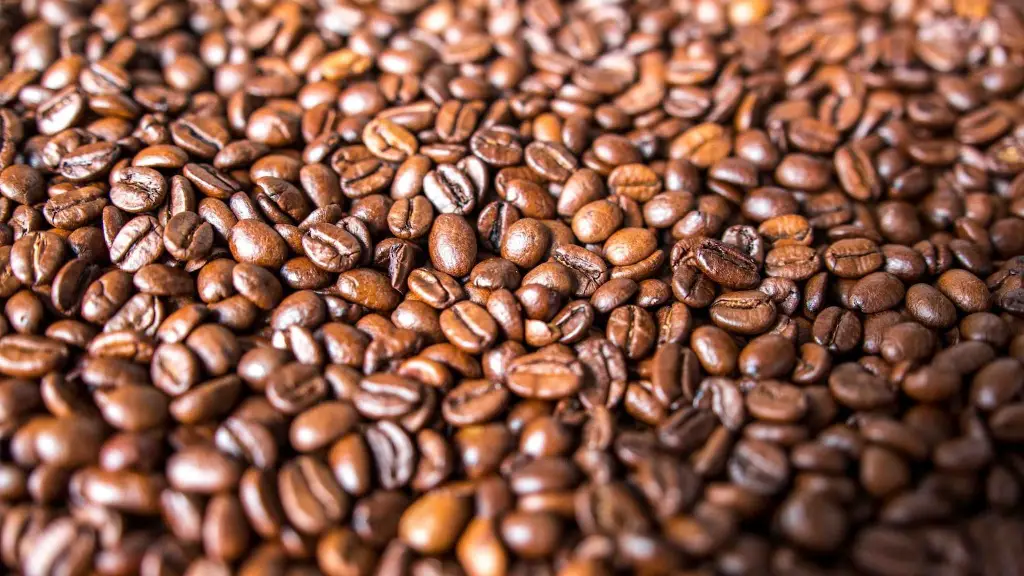
Drinking too much caffeine can have a negative impact on your health, so the Mediterranean diet recommends drinking decaf coffee instead. Decaf coffee still contains some caffeine, but at significantly lower levels than regular coffee. This can help minimize any adverse effects and help you maintain a healthy lifestyle.
8. Stick to Unflavoured Coffee
Finally, when you are drinking coffee on the Mediterranean diet, it is best to stick to unflavoured coffee. While flavoured coffees can be tempting, they often come with added sugars and fat that can add unnecessary calories to your diet. Instead, opt for unflavoured black coffee, or add some natural sweeteners for a healthier alternative.
Budget-Friendly Options for the Mediterranean Diet
The Mediterranean diet does not have to be expensive. There are several budget-friendly options to choose from, such as whole-grain pasta, legumes, and seasonal vegetables. All of these foods are affordable and can be used to make delicious meals that are healthy and tasty.
Health Benefits of the Mediterranean Diet
The Mediterranean diet is known for its many health benefits. Studies have shown that following this diet can help to reduce the risk of chronic conditions such as heart disease, cancer, and type 2 diabetes. Additionally, this diet is said to improve digestion and energy levels, and can also help to reduce anxiety and stress.
Ways to Get Started on the Mediterranean Diet

If you are interested in starting the Mediterranean diet, there are several things you can do. First, it is important to make small dietary changes, such as swapping out processed foods for whole, unprocessed alternatives. Additionally, you can meal plan, keep track of what you eat, and focus on portion control. Finally, it is important to experiment with new recipes to keep the diet interesting and enjoyable.
Finding Balance When Following the Mediterranean Diet
It can be difficult to stick to a diet for any length of time, and the Mediterranean diet is no exception. To combat this, it is important to remember that balance can be key. Rather than focusing on restricting what you eat, foster a healthy relationship with food and practice mindful eating. This will help you to enjoy the food you are eating and maintain your diet over the long term.
