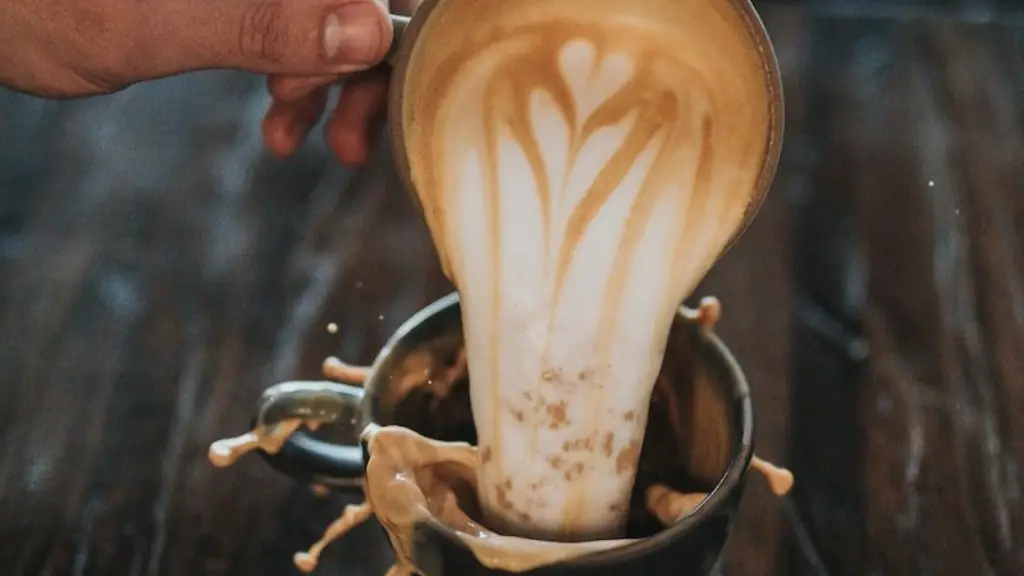
The Benefits of Drinking Coffee
Coffee has been enjoyed for centuries, and is one of the most popular beverages in the world. Long known for its energizing effects, coffee is also rich in antioxidants, which can help protect against inflammatory diseases and cancer. It can also be a good source of essential nutrients such as Vitamin B2, Vitamin E, and Potassium. Drinking coffee has even been shown to decrease the risk of depression and Diabetes. With all these potential benefits, it is no wonder that many people are looking to incorporate coffee into their daily routine.
Choosing the Right Coffee
When it comes to choosing a good quality cup of coffee, there are a few things to consider. First, when it comes to beans, Arabica beans are generally the most flavourful. These beans do not lack in any significant nutritional value and taste best when lightly roasted. Darkly roasted beans are suitable for espresso, as it intensifies the flavour and provides a stronger, more full-bodied cup of joe.
When selecting pre-ground products, be sure to pay attention to the date of production; it is best to consume these within 4-6 weeks after they have been ground, as freshness is key to a good cup of coffee. Always read the label, as additives, sweeteners, milk, and unhealthy fats can harm the health benefits of your brew. Whenever possible, try to buy organic products and avoid anything with added preservatives.
Brewing the Perfect Cup

Now that you have chosen your coffee, it’s time to start brewing. Before doing anything else, make sure that the water that you are going to use is clean and filtered. If you can enjoy filtered water, the taste of your brew will be more delicious. The optimal brewing temperature for coffee ranges from 199°F to 204°F. To reach the ideal temperature, preheat the water using a kettle, heat it in the microwave, or let boiled water settle for 1-2 minutes.
It is also important to use the correct coffee to water ratio. Typically, the general guideline is 1-2 tablespoons of ground coffee per 8 ounces of water. Depending on the desired strength of the coffee, this ratio can be adjusted. For espresso, the ratio is between 8:1 to 1:2 for a double shot. Once the water has reached its optimal temperature, add it to the grounds, and brew.
During the brewing process, try to extract as much flavor as possible by providing enough time for the water to linger over the grounds and infuse them. For filter coffee, 4-5 minutes will give the optimal taste. And for espresso, the pressure should not exceed 9 bars, and the extraction should take between 20-30 seconds.
Drinking Coffee – The Right Way
Now that you have prepared your cup of coffee, there are still some guidelines to drinking it. The temperature of the drink should be around 158°F to reduce tooth sensitivity and prevent gut irritation. Try to sip your coffee slowly, savoring the taste and aroma, as this will enhance the flavor experience.

Also, remember that over-consumption of coffee can cause excessive caffeine intake, which can lead to health problems such as hypertension, insomnia, and stomach upsets. Try to limit your intake of coffee to 400 mg per day; one cup of filter coffee has approximately 100 mg of caffeine.
Coffee Alternatives
Although coffee is generally known to provide health benefits, everyone should still be aware and conscious of their caffeine intake. For those looking to get the same energizing effects without the caffeine, there are a few alternatives that can do the trick. Decaf coffee is a great option, as it contains much less caffeine than regular coffee but still offers the same flavor.
Herbal tea and matcha are also good choices, as they are naturally caffeine-free and are filled with antioxidants. They can be brewed like regular tea, but with a few differences. For example, do not steep for more than 10 minutes, as this will result in a more bitter taste. Oat milk and hemp milk are also promising substitutes for dairy milk, and are generally easier to digest.
Conclusion
In conclusion, drinking coffee can provide numerous benefits when done properly. When selecting coffee beans or products, always read the label and try to go organic whenever possible. During the brewing process, remember to use the correct temperature and water-coffee ratio in order to extract the most flavor. When drinking, be aware of the optimal temperature that should be maintained. Finally, if you’re looking for caffeine-free alternatives, tea, oat milk, and hemp milk are all good substitutes.
