
Intermittent fasting (IF) is an increasingly popular approach to weight loss, enabling dieters to reset their metabolism and maintain a healthy weight. But with shorter eating windows, consuming coffee during an IF can seem more challenging. If a coffee fan wants to reap the benefits of fasting while still enjoying a morning cup of joe, it’s important to gain an understanding of coffee’s effects on fasts, including its potential to stave off hunger.
Intermittent fasting requires dieters to fast for a certain period of time, usually between 12 – 16 hours. Dieters are then allowed to eat during a ‘feeding window’ of around 8 hours, with some variations. Coffee can be a great help with fasts, as it can provide energy and alertness in the morning, giving the body an additional boost. As long as coffee is consumed in moderation and isn’t loaded with sugar, it can be an effective way of making it through the fasting window.
Drinking coffee during a fast is generally considered to be safe, although it does depend on the type of fasting and the individual’s goals. Coffee will be broken down and metabolized just like any other food or drink, but as it contains no calories, it won’t break a fast. This means that drinking coffee can provide a boost of energy to get through the fasting period, without interrupting its effects. Additionally, the caffeine can give a psychological boost, making it easier to focus on the fasting goals.
On the other hand, coffee can also have negative effects on fasting. Too much caffeine can have an adverse effect on the body, causing an increase in heart rate and blood pressure, which can be dangerous for some people. Additionally, drinking coffee when hungry can sometimes make hunger worse, as it can stimulate the body’s hunger hormones. This means that it’s important to monitor how much caffeine is consumed, and to not drink large amounts of coffee when especially hungry.
It’s also important to consider what type of coffee is consumed during a fast. While black coffee is tolerated by most people, it does contain some calories (around two calories per cup). Alternatively, herbal teas or decaf coffee may contain fewer calories and can help to lessen hunger, while still providing the energy boost that is needed.
Drinking coffee while fasting is possible, but it’s important to remember to do so in moderation. Coffee can give a needed boost of energy, but it also contains calories and can make hunger worse when drunk in excess. For those that are looking to get started on intermittent fasting, drinking black coffee in moderation is a safe option.
Advantages of Coffee During a Fasting
Coffee is a great addition to any fasting routine, as it has many advantages. The caffeine content of coffee can provide a boost of energy, giving the body an additional boost during the fasting period, helping to stay alert and focused. Additionally, the antioxidants in coffee can help to reduce oxidative stress, which can help to speed up the metabolism and aid weight loss.

Coffee can also help to reduce inflammation in the body, which can help to reduce the risk of chronic diseases, such as diabetes and heart disease. Additionally, coffee has been linked to improved cognitive performance, making it easier to stay focused on the goals of the fasting period. Finally, the taste and aroma of fresh-brewed coffee can provide comfort and a moment of relaxation during a long fast.
Disadvantages of Coffee During a Fasting
Despite its advantages, coffee can also have some negative effects on fasts. Too much caffeine can cause jitters and insomnia, which can make it difficult to focus on other activities. Additionally, the acidity in coffee can irritate the stomach, causing adverse effects on digestion, while the caffeine can make it difficult to get enough rest at night.
Moreover, some individuals may experience withdrawal symptoms, such as headaches and sluggishness, when going without coffee for too long. Finally, chronic coffee consumption can lead to tolerance issues, meaning that higher doses may be needed for the same level of energy boost, which can lead to side effects.
How to Drink Coffee During a Fasting
It is important to drink coffee during a fasting with caution. To remain safe and healthy, there are a few general tips to keep in mind. Firstly, it is important to stick to black coffee with no added sugar or cream, as these additions can break the fast. It is also important to keep caffeine intake under control, and not to drink too much coffee in one sitting. Finally, individuals should also be aware of their own tolerance levels, as excessive amounts of coffee can lead to side effects.

For those that need an additional boost during fasting, herbal teas or decaf coffee can be consumed instead. Additionally, low-sugar energy drinks can also provide additional energy, although these should be limited to once or twice per week. Finally, it is important to take regular breaks from caffeine consumption to avoid tolerance issues.
Alternatives to Coffee During a Fasting
If caffeine isn’t an option, there are several alternatives that can provide an energy boost without breaking the fast. One popular choice is green tea, which contains caffeine and antioxidants, but still carries fewer calories than coffee. Additionally, individuals may also opt for herbal teas, such as chamomile and peppermint, as these may still provide a psychological boost and help to reduce hunger.
Another popular choice is bulletproof coffee. This is made by blending coffee with butter or coconut oil and has become increasingly popular, as it provides energy without breaking a fast. Additionally, some individuals may choose to drink broth or bone broth during a fast, as these are hydrating and contain some nutrients, such as electrolytes.
Tips for Drinking Coffee During a Fasting
When it comes to drinking coffee during a fast, being aware of one’s limits is key. Most experts recommend drinking no more than 2 or 3 cups of coffee per day, or no more than 400mg of caffeine. It is also important to monitor how much caffeine is consumed, and not to exceed the recommended daily intake of 400mg per day.
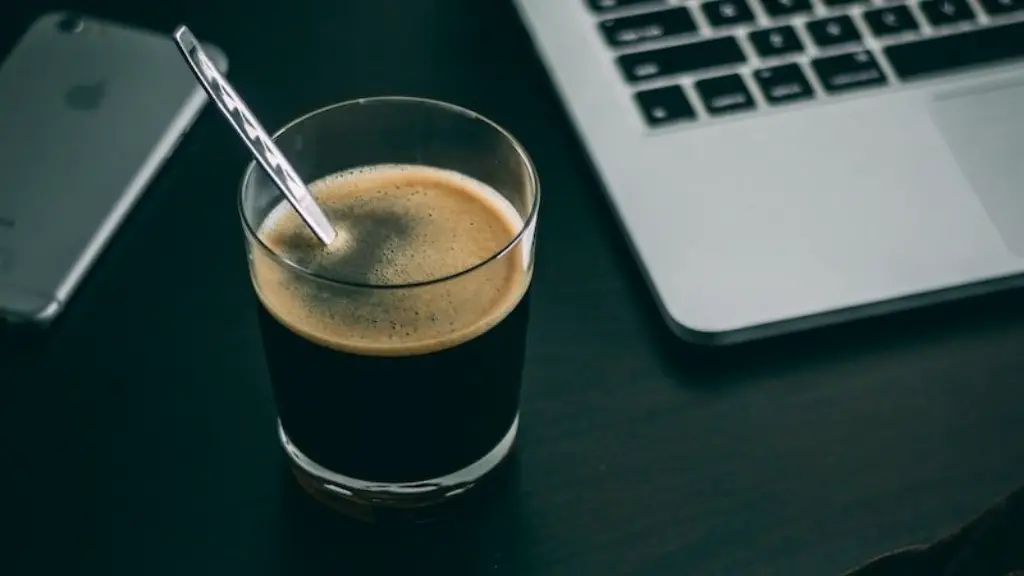
Individuals should also be aware that different types of coffee contain different amounts of caffeine. For instance, espresso has around 75mg of caffeine per shot, while filter coffee can contain up to 120mg per cup. Finally, it is important to keep in mind that different people have different responses to caffeine and should adjust their intake accordingly.
Conclusion
In conclusion, drinking coffee while fasting can help to provide energy and alertness to get through the fasting period. However, it should be done in moderation, as too much caffeine can have adverse effects on the body. Finding an appropriate balance can help to make intermittent fasting more effective and enjoyable.
