
Health Benefits
Coffee has potential health benefits when consumed in moderation. Caffeine has stimulant properties that can help boost metabolism and can combat mental and physical fatigue. In addition, coffee can provide an antioxidant boost, which helps increase cell quality and can reduce inflammation. Plus, it has been found to promote weight loss and can also reduce blood sugar levels, lower cholesterol and may even help with depression. Intermittent fasting can also come with a range of health benefits, depending on the person. Many people find it helps them to lose weight, reduce their risk of diabetes, and live a longer, healthier life. Combine intermittent fasting with coffee and you can maximize those health benefits.
Preparation
Before attempting to combine the two, it is important to understand the basics of intermittent fasting and coffee consumption. Intermittent fasting periods generally range from 12-18 hours, during which time no food is consumed, only water, tea and coffee. During your eating periods, you should, as usual, be eating a healthy, balanced diet. Alternatively, you may choose to fast for a complete day each week, such as Monday or Thursday, for example. When it comes to coffee, it is recommended that you drink black coffee or with a splash of milk as sugary creams, syrups, and sweeteners can interfere with your desired health benefits.
Timing
Intermittent fasting generally requires refraining from food throughout the fasting period and requires you to be intentional about when and how you choose to consume your coffee. Depending on if you are fasting for a full day, or a shorter period, the timing of when you drink your coffee will differ. If a full day fast is chosen, coffee can be consumed up to a couple of hours before you break your fast, which will help curb cravings and give you an energy boost. Alternatively, if you are fasting for a shorter period, coffee should be consumed about 30 minutes before the break, as this will give your body enough time to respond and if possible, it is recommended that some light food is eaten after consuming the coffee.
Alternatives
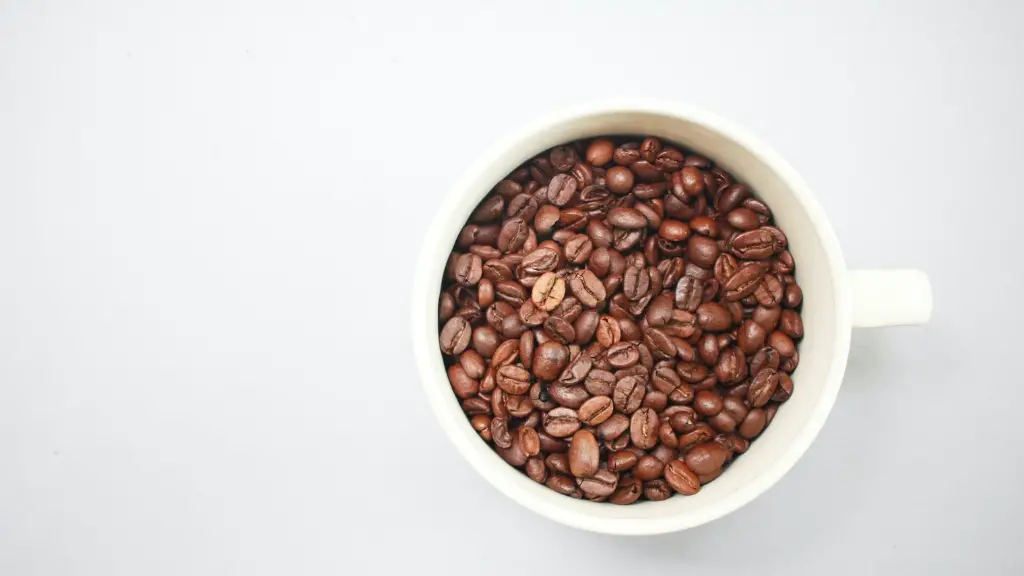
If coffee doesn’t suit your palate, then there are other options that can still be used during intermittent fasting. Many people opt for herbal teas, or lighter beverages such as green tea or kombucha, which can still be hydrating and provide a burst of energy during your fasting periods. Beverages like lemon water, vitamin C water, grapefruit juice, and peppermint tea are also good alternatives that are easy to make and can still give you the energy you need during intermittent fasting.
Considerations
Before embarking on any diet or lifestyle change, it is very important to do your research and consult with your healthcare provider, to ensure you are well informed about the potential risks, benefits, and outcomes associated with it. Drinks like coffee and tea, even when consumed in moderation, can still pose health risks depending on the individual’s medical conditions. Furthermore, health benefits claimed from intermittent fasting and caffeine can still vary. Thus, it is important to understand and analyze your body’s response to each of these before attempting it.
Guidelines for Intermittent Fasting & Coffee
Maintaining a healthy lifestyle along with practicing intermittent fasting and drinking coffee can come with many potential benefits. It is important to remember that both should be consumed in moderation and that caffeine levels should be monitored to ensure they’re not too high. Drink the coffee black or with a small splash of milk and ensure you’re still eating a healthy, well balanced diet during your eating periods. Keep in mind that your body can vary in how it responds to fasting and caffeine and that everyone’s health and lifestyle is unique. As always, consult with your healthcare professional for the best advice tailored to you.
Alternatives to Coffee
Intermittent fasting doesn’t have to be served exclusively with coffee. If you don’t have a preference for caffeine-infused beverages, there are other options available. For starters, one can enjoy herbal teas like chamomile, peppermint, lavender, and hibiscus. Those looking for a little extra boost can opt for green tea or kombucha. You can even make vitamin C water or lemon water to help keep your thirst and energy at bay during the fasting period. Lastly, many fruits like grapefruits and oranges are known for their natural antioxidant and diuretic properties and make a great snack companion during your fasting period.
Managing Caffeine Intake

When practicing intermittent fasting and drinking coffee it is important to know how much caffeine you are consuming. Overdoing it could result in side effects such as headaches, insomnia and jitters. As a general rule, men should consume no more than 400 mg of caffeine per day, while women should not exceed 300 mg. Additionally, when deciding how much coffee to drink, it’s important to factor in other sources of caffeine such as energy drinks, tea, and certain medications. Lastly, drinking coffee throughout the day can make it difficult to know exactly how much you have had, so it’s a good idea to take note of your caffeine intake throughout the day.
