
Understanding GERD and its Effects
Gastro-Esophageal Reflux Disease, commonly referred to as GERD, is a condition in which stomach acid flows up into the esophagus, resulting in troublesome symptoms for the patient. It is estimated to affect about 20% of people in the U.S. The symptoms of GERD are quite varied and some of the more common ones include heartburn, nausea, chest pain, regurgitation, and dysphagia. For many people, these symptoms can be quite severe and can interfere with their daily activities. It is important to discuss the symptoms with your healthcare provider to ensure that it is properly diagnosed and treated.
Coffee has been linked to GERD in many studies, due to its high level of caffeine, and other compounds like tannins and chlorogenic acids, which can stimulate the production of stomach acid. Thus, it is important to be aware of how to drink coffee with GERD if you are affected by this condition.
How to Drink Coffee with GERD
The first step in managing GERD when drinking coffee is to understand the types of coffee that may be best for avoiding symptoms. For example, some studies suggest that non-acidic and lightly-roasted coffees are less triggering for GERD symptoms than darkly-roasted or acidic coffees. It is also important to recognize which other beverages and foods may trigger symptoms, and avoid those as well.
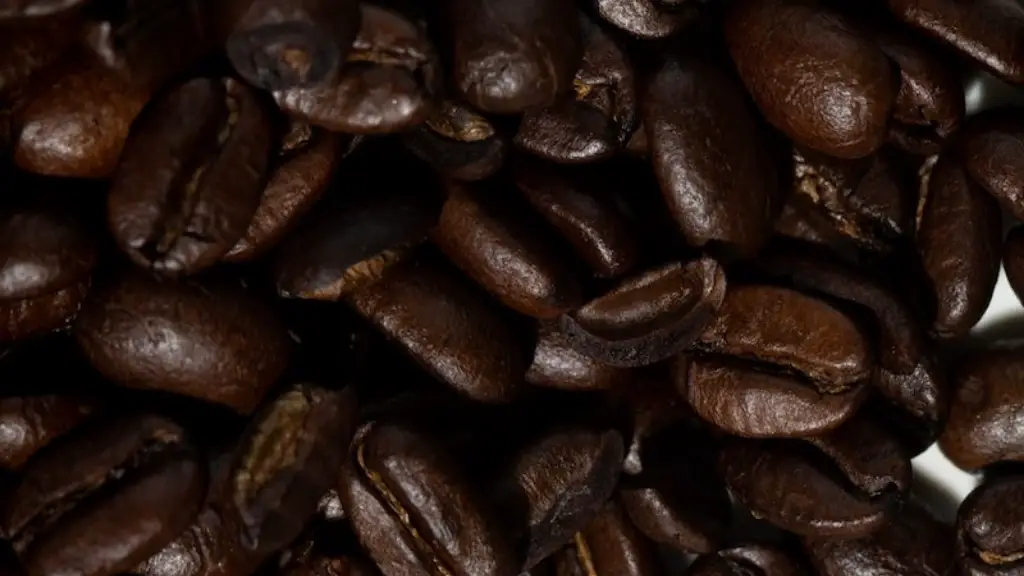
It is also important to consider other modifications to how you are drinking coffee when affected by GERD. For instance, some evidence suggests that drinking your coffee slowly and savoring it, rather than gulping it down, may help to reduce symptoms by reducing the amount of air that is consumed. Similarly, reducing the amount of cream and sugar in your coffee may help to reduce symptoms, as these compounds may increase the acidity of the beverage. Additionally, there are also drinks that are naturally less acidic than coffee, such as herbal teas, which may be beneficial for those who have GERD.
It is also important to be mindful of other lifestyle factors that may be affecting your GERD. Studies suggest that stress, smoking, and certain medications may increase symptoms, so it is important to consider these factors as well. Additionally, there are also medications available for GERD, such as antacids and proton pump inhibitors, which can be discussed with your healthcare provider.
Managing GERD through Diet
An additional way to manage GERD is through diet. It is important to be aware of which foods are associated with an increased risk of triggering GERD symptoms. These include spicy foods, citrus fruits, caffeinated beverages, fried foods, and processed foods. Additionally, smaller meals and avoiding eating too late at night may also be helpful. There are also certain foods that may help to reduce symptoms, such as probiotic-rich foods and alkaline-producing foods, such as avocados and nuts.
In addition to dietary modifications, there are also certain lifestyle modifications that can be beneficial for GERD management. These include avoiding tight-fitting clothes, maintaining a healthy weight, and avoiding activities after meals that require increased amounts of stomach acid production, such as smoking. Exercise can also help to reduce symptoms, as it can help to strengthen the muscles of the stomach and esophagus.
Considerations for Coffee Consumption

Before consuming coffee with GERD, it is important to consider potential triggers, such as foods and lifestyle factors. Additionally, it is important to understand the types of coffee that may be less trigger and how to drink it, such as slowly and without cram or sugar. Lastly, it is important to consider dietary modifications, as well as certain lifestyle modifications to help reduce symptoms. By being mindful of these factors, you can make sure that your coffee consumption does not exacerbate your GERD symptoms.
Quitting Caffeine
In some cases, it may be beneficial to quit caffeine entirely, particularly if it is causing significant symptoms. Quitting caffeine can be difficult, so it is best to do it gradually. Start by reducing the number of cups of coffee that you are drinking per day and gradually increasing the amount of decaffeinated coffee you drink. A gradual process can help to ease the symptoms associated with quitting caffeine, such as headaches and fatigue. Additionally, it is beneficial to seek support from friends and family when trying to quit caffeine.
Furthermore, it is beneficial to have a plan for when cravings strike. This can involve activities, such as going for a walk, doing a hobby, or meditating. Having a plan in place can help to make sure that cravings do not derail your progress. Of course, it is important to discuss any changes to your diet or caffeine consumption with your healthcare provider before you make any drastic changes.
Drinking Decaffeinated Coffee
For many people with GERD, drinking decaffeinated coffee may be the best option. Decaffeinated coffee is significantly less acidic than regular coffee and contains only trace amounts of caffeine. Additionally, it is still a source of the beneficial antioxidants found in coffee, without the added acidity or stimulating effects of caffeine. Drinking decaffeinated coffee can provide the taste and flavor of regular coffee, without the risk of exacerbating GERD symptoms.

When it comes to choosing a decaffeinated coffee, there are a few options to consider. There are two primary methods for decaffeinating coffee, the chemical method and the Swiss water process. The chemical method, in which chemical solvents are used to extract the caffeine, is the least popular due to potential health risks. Thus, many people opt for coffees that are decaffeinated using the Swiss water process, as it involves no chemical solvents and uses only water and pressure to remove the caffeine.
Adding Milk or Cream to Coffee
When drinking coffee with GERD, it is important to consider whether to add milk or cream. It is generally suggested that low-fat or skimmed milk be used, as high-fat milks can increase the symptoms of GERD. Additionally, some studies suggest that adding cream or cream substitutes to coffee can also increase the symptoms of GERD. Therefore, it is best to limit the amount of cream and other high-fat dairy products in your coffee.
Lastly, it is important to recognize that different people may have different reactions to coffee and other beverages when dealing with GERD. Therefore, it is important to experiment and keep track of which beverages and foods trigger your symptoms so that you can avoid them in the future.
