Equipment
Making a good coffee drink at home requires the correct equipment, depending on the type of drink you are making. For a basic cup of coffee, the most important equipment is an electric coffee maker, such as a French press or a drip brewer. A French press requires coffee grounds, a filter for the coffee grounds, and a carafe for the finished product. A drip brewer only requires coffee grounds and a filter, but drippers are also available with additional bells and whistles, such as a timer or thermometer.
For more complex coffee drinks, like cappuccinos and espressos, additional equipment is necessary. Milk frothers are used to create the desired foam and steam combination, while espresso machines give the drinker instant gratification with the push of a button. An adjustable burr grinder is vital for those who want to optimize the flavor potential of their home-brewed espresso; grinders will grind beans fresh without any burnt or bitter aftertastes.
Ingredients
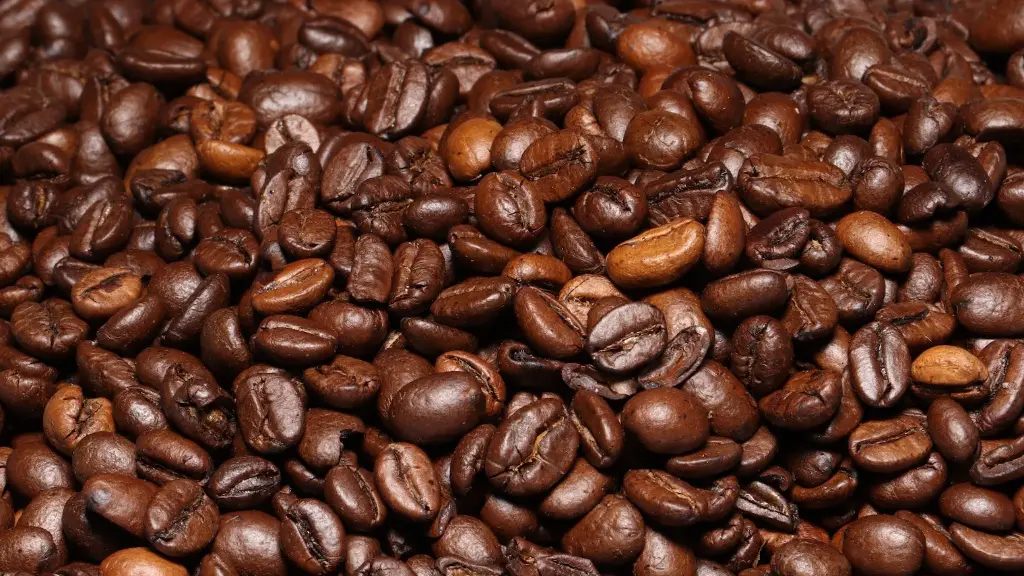
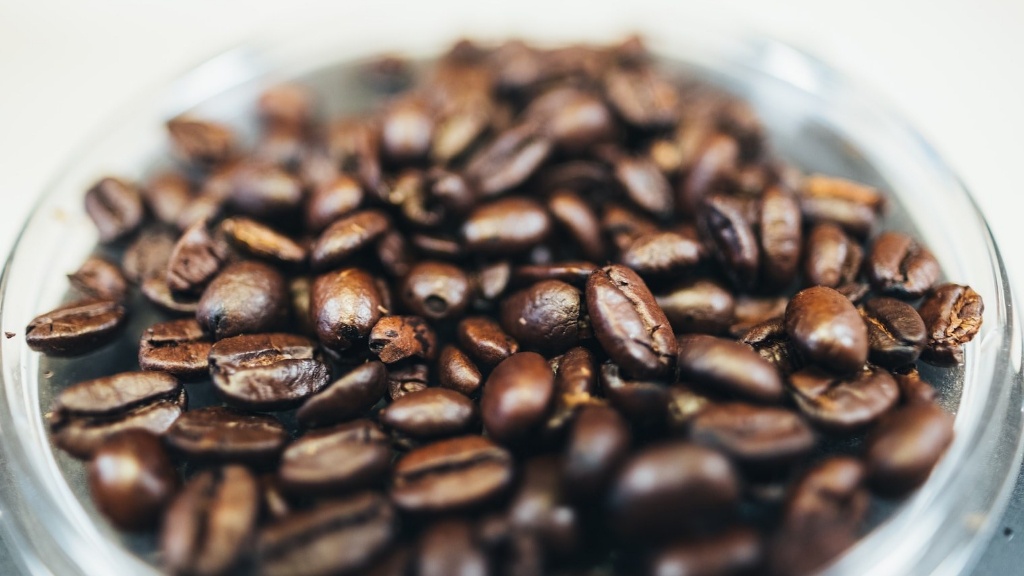
Coffee is the main ingredient needed for any coffee drink, and it should be of the highest quality. Most coffee vendors sell pre-ground coffee, but for the freshest flavor, grinding the beans yourself is recommended. The type of bean used varies depending on the drink; for instance, espresso beans are typically darker in color and roasted for longer than other beans. Coffee roasters usually carry a wide variety of beans, so the drinker can find exactly what they are looking for.
Coffee drinkers who want to step up their barista game can experiment with various additives. Consider adding flavors, like syrups or vanilla, to create unique and exciting drinks. Cinnamon, nutmeg, and even cocoa powder can be added to the steamed milk to give the finished product an extra distinctive flavor.
Milk
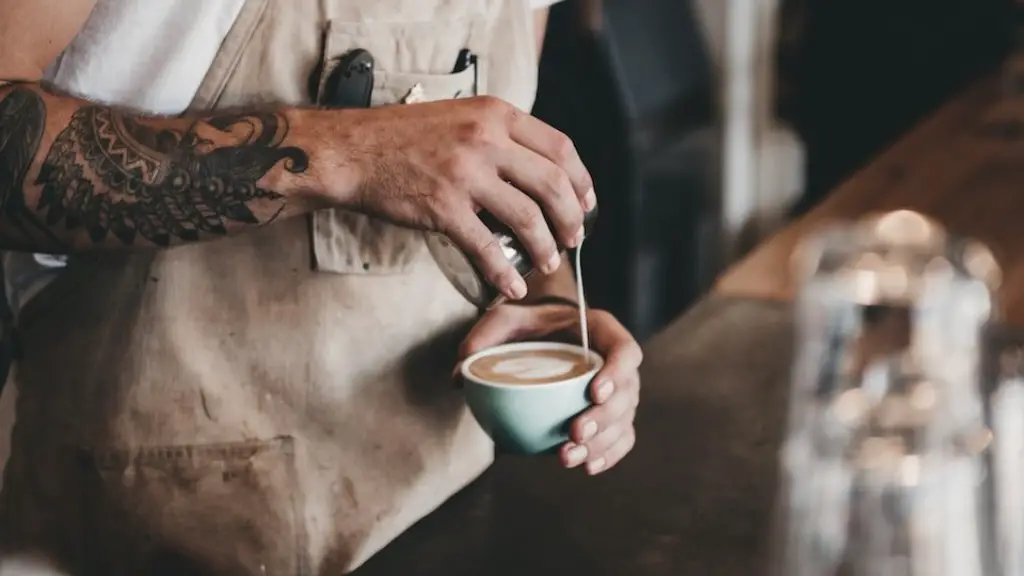
Non-dairy milks, like oat, almond, and coconut, are becoming increasingly popular for coffee beverages. When addingmilk to steamed drinks, such as lattes and cappuccinos, it is essential to make sure it is steamed correctly; otherwise, the drink won’t have the full-bodied flavor it should. Non-dairy milks help create drinks that are similar in richness to their dairy alternatives while still being creamier and smoother.
Brewing Techniques
Brewing techniques are where a lot of the flavor comes from. Different types of brewers, such as manual and electric, can alter the flavor of the drink, depending on their settings. A French press is a popular manual option and will often produce a fuller-bodied cup of coffee, as the entire ground bean is extracted. A drip brewer, electric or manual, is a much simpler option and produces consistent results.
When making an espresso, it is essential to make sure the beans are ground to the correct consistency, as it plays a huge role in the look and taste of the drink. An adjustable burr grinder is a good investment for those wanting to create espresso at home.
Temperature and Time
Temperature and time are equally important in the brewing process; coffee brewed at too high of a temperature will result in bitter tasting coffee, while coffee brewed too quickly will not achieve the desired flavor profile. As a general rule, for drip brewers, the water should be between 195 and 205 degrees Fahrenheit, and it should take around four minutes to complete.
When making espresso, water temperatures between 195 and 202 degrees Fahrenheit should be used, and shots should take around 20 to 30 seconds to pull a perfect shot. If the espresso is pulled too quickly, the resulting drink will be bitter and over-extracted. If pulled too slowly, the drink will have a sour and weak taste.
Brew Strengths
Coffee drinkers have different preferences when it comes to the strength of their brew. For those who like a stronger flavor, a French press is the best option since it extracts the full flavor of the beans. For those who want a milder flavor, a drip brewer is a better option, as it does not extract as much flavor from the beans. Espresso is the strongest of the options and should be pulled 30 seconds at a time for an optimal brew strength.
Drink Preparation
Once the coffee is brewed, the drinker can create whatever coffee drink they want. For cappuccinos and lattes, foamed milk should be added for that recognizable café-style drink. For a true Italian espresso, simply pour a shot over a few teaspoons of hot water and enjoy. Coffee drinks are relatively simple to prepare; the most difficult part is honing the brewing skills to brew the perfect cup.
Serving Reservations
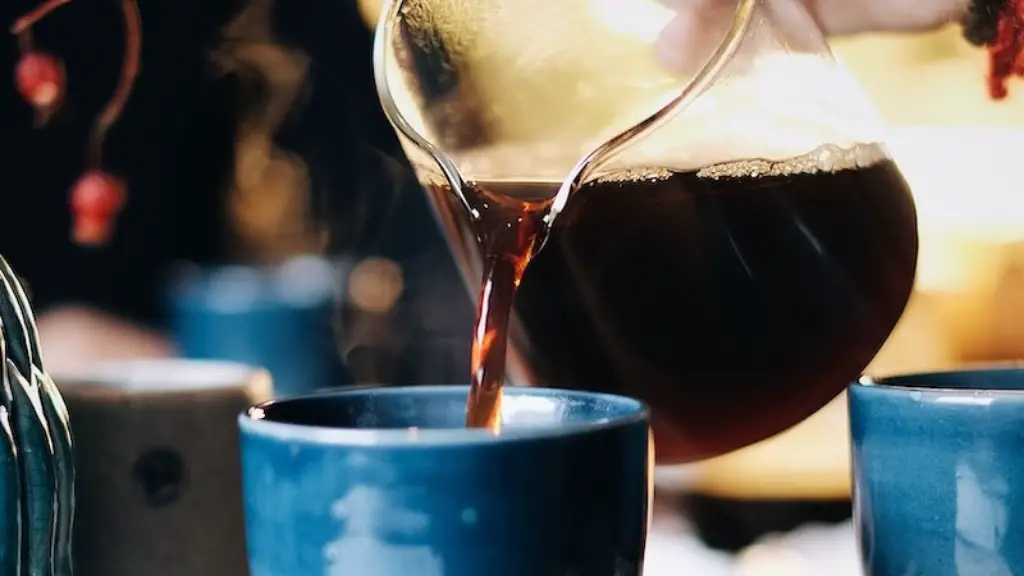
Once the coffee has been brewed and prepared, the time has come to finally enjoy the product. When serving coffee, the drink should be served as soon as possible, as coffee begins to lose its flavor if left too long. A good practice is to keep coffee warm while serving and to pour the coffee in one swift pour, whether it is a cup or a full carafe.
Artisan Coffee Drinks
Artisan coffee drinks can be achieved by combining the brewing and preparation techniques discussed and adding your own creative flair. True coffee artisans create striking and delicious works of art with a cup of coffee. With enough practice, anyone can become a coffee connoisseur in their own home. Experimenting with various flavors, additives and brewing techniques for truly unique drinks will make for some of the most memorable experiences.
Aroma and Taste
The smell and taste of coffee are essential to its enjoyment. Beans naturally contain hundreds of different aromatic compounds that create the delightful aroma of a freshly brewed cup of coffee. When tasting fresh coffee, the drinker should be on the lookout for subtleties in taste, such as bitterness and sweetness, as well as the body and texture of the coffee.
Beans can have delicate or intense flavor notes, so it’s important to purchase quality beans and experiment with them to find what flavor profile best suits the individual’s palate. Additionally, freshly roasted beans tend to have more aroma and flavor than those of lesser quality. Keeping this in mind can save time and frustration when searching for the perfect bean.
Coffee Alternatives
For those who don’t want traditional coffee drinks, there are alternatives such iced coffee and cold brew. Iced coffee is often made with espresso and requires cubes for chilling, as well as milk and syrup for added flavor. Cold brew is another great option for those who prefer a more mellow flavor. Cold brew is steeped for up to 24 hours and then strained for a smooth, low acidity beverage.
Coffee Garnishes
Garnishing coffee drinks is an easy way to add visual appeal and a touch of sweetness to your brew. Garnishes can range from simple things such as whipped cream and chocolate shavings to more complicated designs with different colors and flavors. Many baristas use a variety of tools when creating garnishes, like a pastry bag, mini paper cups, and edible markers.
Bonus Tips
Making the perfect cup of coffee is all about practice and experimenting. To optimize the flavor, pay attention to details such as the water temperature and grind size. Most importantly, enjoy the process and don’t get too caught up in trying to achieve perfection. There is no “right” way to make coffee, so experiment and find your own unique way of brewing and preparing the perfect cup!
