
How You Drink Your Coffee Says About You
Do you ever stop to consider that your morning cup of coffee could say something about you? Every morning, millions of people around the world wake up and indulge in the alluring aroma of coffee. This dietary staple can be brewed in all sorts of ways, yet no matter how you choose to drink your coffee, experts suggest that the way you drink it, reveals underlying characteristics about your personality.
Coffee is thought to be both a physical and psychological pick-me-up. It can be energizing and soothing, heart-opening and relaxing. Different types of coffee brews can demonstrate various aspects of our lives, such as our individual preferences, emotions, and outlook on the world around us. Personality and behavior therapists recognize the valuable symbols that coffee can shed light on while offering important insight into an individual’s personality.
If you’re someone who starts their morning with a cup of black coffee, without the addition of sugar or cream, you may be more prone to self-discipline and control. According to self-control expert, Carla Marie Manly, a black-only coffee suggests that you tend to take a task-oriented approach to life. On the other hand, if you prefer to add cream and sugar to your black-coffee, Manly suggests that you could have a more flexible approach to life, opting for more of an ease-oriented style.

Are you someone who craves an unconventional coffee such as a flavoured latte instead? According to research published in the IOP Science Journal, those who enjoy flavoured lattes may possess creative or artistic inclinations. On the contrary, they may also be prone to negative moods such as sad, angry, or anxious feelings.
Perhaps you find yourself reaching for an espresso or double-shot coffee. If this is your cup of choice, specialists suggest that you may be a self-confident person who values ambition and enthusiasm. Manly emphasizes that those who prefer espresso may also thrive when taking the reins of a project, jumping into activities and leading the charge.
However, some say the type of coffee you drink may be more related to habit than character. For instance, maybe you prefer a mug of coffee because it’s familiar and reminiscent of childhood? This may also be why coffee has become a social gathering staple, offering a sense of familiarity, comfort and connection. Thinking about it this way helps to explain why so many cultures around the world have adopted coffee-drinking traditions.
Perhaps you find yourself turning to coffee to jump-start any task. Research on caffeine published by the International Coffee Organization reveals that coffee offers us a boost of energy which can help us take on projects and tasks. This liquid stimulant can therefore result in productivity, efficiency, and an increase in focus.
How Coffee Can Influence Your Attitude
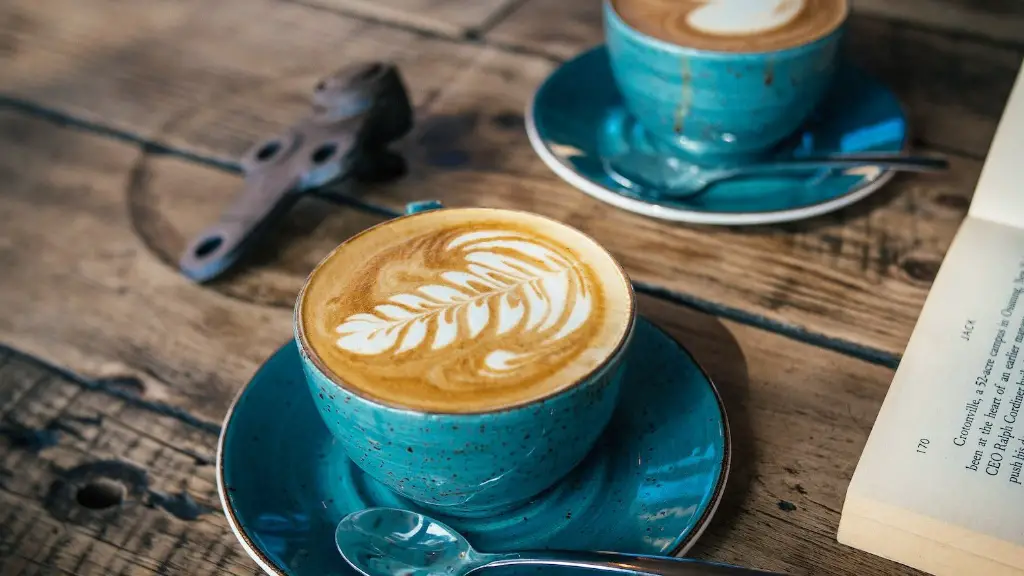
Of course, what type of coffee you drink can affect more than just the physical facet of performance, it can also have a significant impact on our attitude. Caffeine has a tendency to expand with expectancy and positivity, compelling you to become more chipper, outgoing, and bold.
Cognitive experts also believe that coffee can turn into a soothing ritual, allowing us to prepare mentally for any challenge that lies ahead. This ritual can set the tone for the day, sparking motivation and creating a healthy roadmap so that the journey ahead can be handled with ease. This ritual can also act as a distraction, enabling us to step away from the many stresses that life throws our way.
Interestingly, the type of mug you drink your coffee from could also say something about you. For instance, if you find yourself reaching for a hearty mug, then this individualistic act may be an outward symbol of strength. On the other hand, if you prefer a dainty cup of java, this can be seen as a symbol of delicateness.
When studied from a physiological perspective, research reveals something incredibly fascinating. In conjunction with caffeine, the aroma and warmth of a freshly brewed cup of caffeinated joy, can have a direct effect on our neurological system. This evokes physiological pleasure and can therefore trigger endorphins, helping us to reach a state of bliss.
How We Rely on Coffee

Coffee has become more than just a necessity–it has become a way of life. As much as we rely on coffee to start the day, we rely on it to further the day. Coffee can supercharge the workday, helping us to stay focused and productive. And of course, it can be the perfect mid-afternoon pick me-up when we’re starting to wane.
Coffee has become integrated into many cultures, shaping our social customs and becoming an iconic symbol of community. In fact, coffee-drinking has been credited with improving and expediting social connections. Thanks to coffee, our conversations become more articulate, our novel ideas become more colorful, and our relationships become more meaningful.
Coffee and Mental Health
As we’ve discussed, your morning cup of coffee can offer much more than an extra jolt of energy. Evidence suggests that coffee can have a positive effect on mental health, helping individuals to feel more connected, joyful, and energized. It can also help us to develop better problem-solving skills and enrich our emotional intelligence, allowing us to detect and respond to emotional signals with finesse.
Despite its many benefits, too much coffee can have deleterious effects. Because coffee can act as a stimulant, it increases the amount of stress hormones in our body, prompting anxiety and making it hard to relax and let go. Of course, how we consume our coffee can also have a considerable influence on our psychological and physical condition.
Coffee and Physical Well-Being

Turns out, drinking coffee can also be beneficial for physical health. According to Dr. Vincent M. Pedre, a functional medicine practitioner and medical director of Pedre Integrative Health, coffee can help to protect against neurological diseases, reduce the risk of stroke, and lower the risk of developing diabetes.
While coffee can be beneficial to physical health, it should be consumed in moderation. Evidence suggests that drinking more than four cups of coffee per day can increase cortisol levels, causing overstimulation and blocking the receptors that promote relaxation. This can lead to addiction, making it more difficult for the body to adjust to low levels of caffeine.
Staying in Balance
At the end of the day, it’s all about staying in balance. It’s important to pay attention to the amount and type of coffee that you are drinking and how it affects your body and mind. This will help you to explore alternative ways of coping with stress, while carving out the perfect coffee routine that fully meets your needs.
So yes, how you drink your coffee says something about you. It reveals your preferences, your behavior, your attitude, and much more. So, go ahead and revel in that morning mug of coffee; embrace your inner self and make sure the coffee you drink is making you the happiest, healthiest version of yourself.
