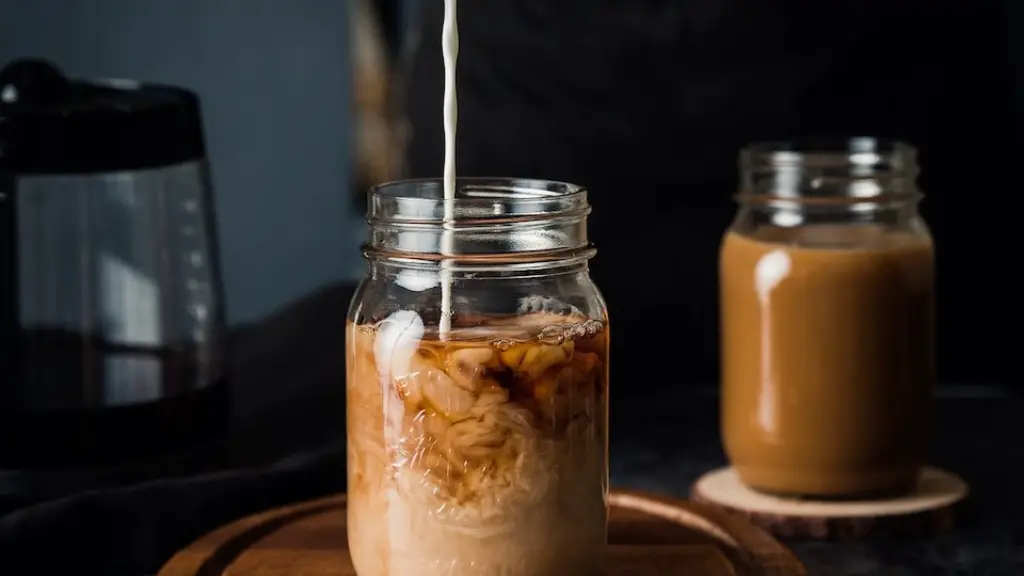
Background of 2 Day Old Coffee
Coffee is a popular hot drink consumed by millions of people around the world. Coffee beans are typically roasted and ground with various flavorings added to enhance the coffee drinking experience. Coffee is typically consumed fresh and coffee lovers know the benefits of drinking freshly brewed coffee. But what happens to coffee that is a couple days old? Is it still safe to drink without any potential health risks?
In order to answer this question, it is important to first look at the factors that make coffee so enjoyable for many people. Coffee’s flavor and aroma are due to the breakdown of its chemical components. Compounds such as oils, acids, and caffeine make up coffee’s flavors. Unfiltered coffee also has a characteristic body that adds to the overall experience of drinking a cup of coffee.
Health Considerations with 2 Day Old Coffee
One of the main health considerations to think about when drinking coffee is its caffeine content. Caffeine is a stimulant that is known to have long-term health effects on the body if consumed in large amounts. The amount of caffeine present in coffee can vary depending on the type of coffee consumed. On average, an 8-ounce cup of drip coffee typically contains approximately 95 milligrams of caffeine.
Consumption of 2 day old coffee poses a potential safety and health risk due to the breakdown of its components. When coffee is left open or unrefrigerated, bacteria and mold can quickly begin to grow making it potentially unsafe to consume. Additionally, the taste of the coffee can become altered, making it unpleasant to drink.
Opinions from Experts in the Coffee Industry
Experts in the coffee industry typically advise against consuming coffee that is more than 24 hours old. The compounds that make up the flavor and aroma of coffee will begin to break down, resulting in a decrease in quality and flavor in the beverage. As a result, experts advise people to consume coffee as soon as possible after it is made for the best-tasting experience and freshness.
Additionally, many experts in the industry advocate for sealing coffee beans or grounds in an airtight container. Doing so allows the beans or grounds to remain fresh and the flavors to remain intact for a longer period of time. Sealed coffee beans or grounds can typically last up to two weeks before they begin to lose their flavor and become stale.
Analysis and Insights
Based on the research and analysis on the topic of 2 day old coffee, it is safe to say that drinking coffee that is more than 24 hours old should be avoided. The breakdown of the compounds that make up the flavor and aroma of coffee can cause it to taste stale and off-putting. Additionally, consuming beverages with elevated levels of caffeine can have long-term health effects and should be avoided.
In conclusion, it is important to be aware of the potential risks of drinking two day old coffee. Coffee should be consumed fresh for the best-tasting experience and should not be consumed if it is more than 24 hours old.
Storage Solutions for Coffee
When it comes to storing coffee, it is important to consider how long the coffee will be stored and whether it will be needed in the near future. For those who plan on only consuming coffee in the near future, properly sealing the coffee beans or grounds in an airtight container can help to keep the flavor and aroma of the coffee intact and prevent bacteria and mold growth. When coffee is stored this way, the coffee can stay fresh and flavorful up to two weeks after being roasted and ground.
For those who plan on storing coffee for longer periods of time, it is important to consider freezing it. Freezing coffee beans or grounds can help to prevent their flavor and aroma from breaking down and turning stale. Additionally, freezing coffee can help to prevent the potential growth of bacteria and mold in the coffee.
Environmental Considerations for Coffee
Environmental considerations should also be taken when consuming and storing coffee. Disposable coffee cups are a major environmental concern and should be avoided when possible. Opting for reusable cups and mugs can help to reduce disposal waste and help the environment. Additionally, single-use coffee filters should be replaced with permanent coffee filters that can be cleaned and reused. This can help to reduce waste and save money in the long run.
Consumption Habits and Quality of Coffee
The quality of the coffee consumed can also have an effect on its flavor and aroma. Coffee that is grown in poorer countries often has an inferior taste when compared to coffee grown in more affluent countries. It is important to be aware of where your coffee is sourced from and the quality standards used for its production. Additionally, it is important to avoid consuming coffee that is more than two years old as its compounds can begin to break down and its flavors will be altered.
Consuming coffee from reputable sources and storing it properly in airtight containers or by freezing it can help to prevent it from turning stale and can ensure that its flavors and aromas remain intact. Additionally, sustainable consumption habits should be followed to reduce waste and help the environment.
Proper Preparation of Coffee
The preparation of coffee is also important to consider when drinking coffee. Proper extraction of coffee is key to achieving the best flavor and smell. Under-extracting coffee can result in a thin and sour taste while over-extracting can result in a bitter and sour taste.
It is also important to consider the temperature of the water used to make the coffee. Water that is too hot can result in over-extraction while water that is too cold can result in under-extraction. Additionally, it is important to use the proper grind size for the coffee beans or grounds being used for extraction. Too fine of a grind can result in over-extraction while too coarse of a grind can result in under-extraction.
Natural Sweeteners in Coffee
Natural sweeteners such as honey and maple syrup can be used to enhance the flavor of coffee without adding an excessive amount of sugar. Natural sweeteners are an excellent option for those who want to reduce the amount of sugar they consume on a daily basis. Additionally, using different types of milk and cream can help to create interesting and unique flavors in coffee.
However, it is important to note that adding too much milk or cream can result in the coffee becoming too watered down. It is important to find the right balance between milk and coffee to achieve the best flavor. Plant-based milks such as almond milk, coconut milk, and oat milk are becoming increasingly popular in the coffee industry and can be the perfect addition to coffee.
Herbal Additions to Coffee
Herbal additions such as turmeric, ginger, cinnamon, and cardamom can be used to create interesting and unique flavors in coffee. Herbal additions have the potential to add anti-inflammatory and antioxidant benefits to coffee. However, it is important to be aware of the potential risks of consuming too much of certain herbs and spices as excessive consumption can cause health issues. Herbal additions should be used in moderation and added to coffee in small amounts.
Furthermore, it is important to note that herbal additions can drastically alter the flavor of coffee and should be used sparingly. Additionally, it is important to note that adding herbal additions to coffee does not guarantee health benefits as a balanced diet should always be the first priority.
Conclusion
In conclusion, it is important to be aware of the potential risks of drinking coffee that is 2 days old. Consumption of coffee that is more than 24 hours old can result in an unpleasant taste and altered coffee flavors. Additionally, consuming coffee with an excessive amount of caffeine can have long-term health effects.
Experts in the coffee industry typically advise against consuming coffee that is more than 24 hours old and advocate for drinking coffee fresh. Proper storage of coffee beans or grounds in an airtight container can help to prevent their flavors from breaking down and keep them fresh for up to two weeks. Finally, the quality of the coffee should also be taken into consideration when choosing a coffee source and sustainable consumption habits should always be followed.
