
Coffee is one of the most popular beverages in the world, and many pregnant women enjoy it as part of their daily routine. While there are some risks associated with consuming coffee while pregnant, it can be enjoyed in moderation.
According to research, consuming moderate amounts of caffeine during pregnancy is generally considered safe. The American College of Obstetricians and Gynecologists recommends that pregnant women limit their caffeine intake to less than 200 milligrams per day. Pregnant women should also be aware that some drinks may contain more caffeine than others; for example, an 8-ounce cup of brewed coffee contains about 95 milligrams of caffeine.
It is important for pregnant women to pay attention to how much caffeine they are consuming, as too much can increase the risk of miscarriage and other issues. Additionally, too much caffeine can cause insomnia and anxiety, which can be particularly difficult during pregnancy.
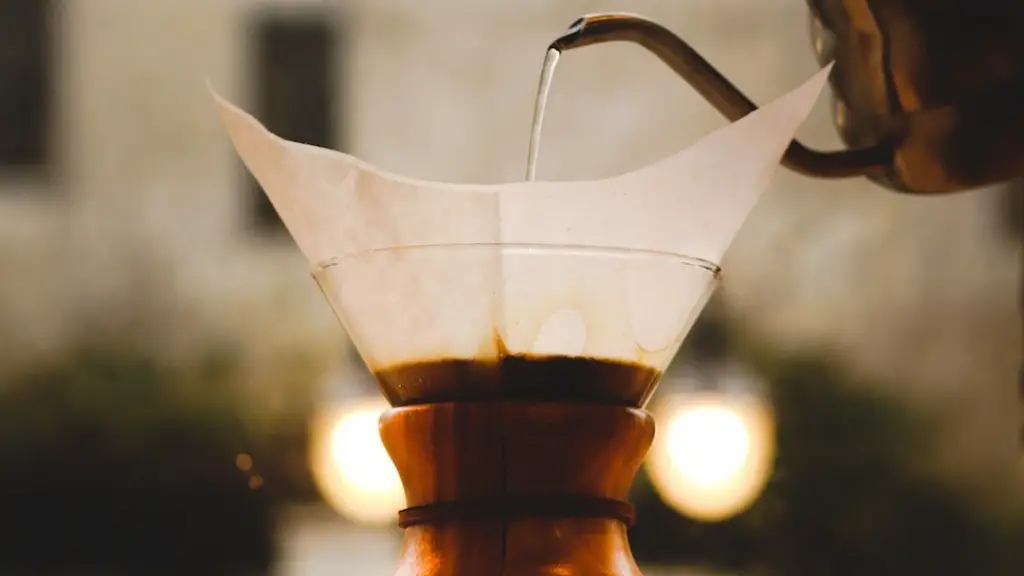
Therefore, it is recommended that pregnant women monitor their caffeine intake and enjoy coffee in moderation. Pregnant women should also remember to stay hydrated by drinking plenty of water throughout the day.
Effects of Coffee on a Baby During Pregnancy
Caffeine is one of the most commonly consumed substances during pregnancy, but it is important to understand how it can affect the baby. Caffeine is a stimulant drug that can cross the placenta and reach the baby. High doses of caffeine have been linked to premature birth and low birth weight in some studies. It is also important to note that caffeine is a diuretic, meaning it increases urine production and can lead to dehydration in both mother and baby. It is generally recommended that pregnant women limit their caffeine intake to 200 milligrams or less per day.
In addition, it has been suggested that excessive caffeine consumption during pregnancy may increase the risk of miscarriage or stillbirth. However, more research must be done to determine if there is an actual link between caffeine intake and these outcomes. Because of this uncertainty, pregnant women should be aware of the potential risks associated with drinking coffee while pregnant.
Ultimately, further research must be done before any definitive conclusions can be made about the effects of coffee on a baby during pregnancy. In the meantime, it is best for pregnant women to consult their doctor or midwife before drinking coffee while pregnant.
Does Caffeine Increase the Risk of Miscarriage?

Caffeine is known to affect pregnant women differently and can increase the risk of miscarriage. Studies suggest that consuming more than 200 milligrams of caffeine per day can increase the risk of miscarriage, so it is important to be aware of your caffeine intake while pregnant. It is recommended that pregnant women limit their caffeine intake to less than 200 mg per day. This means one cup of coffee can contain up to 200 mg of caffeine, so it is important to monitor your intake accordingly.
If you are pregnant and want to drink coffee, it is best to consult with your doctor or midwife first. They will be able to provide specific advice on how much, if any, coffee is safe for you during pregnancy. Additionally, there are many other sources of caffeine besides coffee such as tea, energy drinks and chocolate that should be avoided or limited during pregnancy in order to reduce the risk of miscarriage.
Alternatives to Drinking Coffee While Pregnant
Pregnant women often want to know if it is safe to drink coffee while pregnant. Generally, it is recommended that pregnant women limit their caffeine intake to less than 200 mg a day, which is the equivalent of one 12-ounce cup of coffee. However, there are plenty of alternatives that can help satisfy your craving for a hot beverage without the caffeine. Herbal teas such as chamomile, ginger, mint, and rooibos are packed with health benefits and are naturally caffeine free. Other options include decaffeinated coffee and tea, fortified juices or smoothies, or simply warm water with a bit of honey and lemon.
Caffeine Intake During Pregnancy
Pregnant women should be mindful of their caffeine intake, as it can have an adverse effect on the fetus. Caffeine is a stimulant and can cause increased heart rate and blood pressure, both of which can be dangerous for a developing baby. The American College of Obstetricians and Gynecologists recommends that pregnant women consume no more than 200 milligrams of caffeine per day. This is roughly equivalent to one cup of coffee. Caffeine is also found in tea, energy drinks, sodas, and chocolate so these should be monitored as well. It is best to limit or avoid caffeine altogether during pregnancy.

While it is okay to drink coffee while pregnant in moderation, women should take extra precautions when consuming it. Some studies suggest that excessive caffeine consumption can lead to miscarriage and other complications such as low birth weight or preterm labor. Therefore, it is important for pregnant women to discuss their caffeine intake with their doctor or midwife before making any changes to their diet.
Is Decaffeinated Coffee Safe in Pregnancy?
Decaffeinated coffee is generally considered safe for pregnant women to drink in moderation. However, it is important to note that the caffeine content of decaffeinated coffee can still range from 0-7 milligrams per cup. Pregnant women should still limit their intake of decaf coffee and other caffeinated beverages to one cup per day or less. Additionally, some studies have suggested that heavy consumption of decaf coffee may be linked to an increased risk of miscarriage. Therefore, it is best for pregnant women to avoid drinking more than one cup of decaffeinated coffee a day.
When it comes to caffeine consumption during pregnancy, it is always best to err on the side of caution and speak with your doctor or midwife about any concerns you may have before consuming any caffeinated beverages. Decaffeinated coffee can still provide many benefits such as providing antioxidants and essential vitamins and minerals, but it is important to keep your intake within recommended limits. It is also important to ensure that you are getting adequate nutrition while pregnant.
