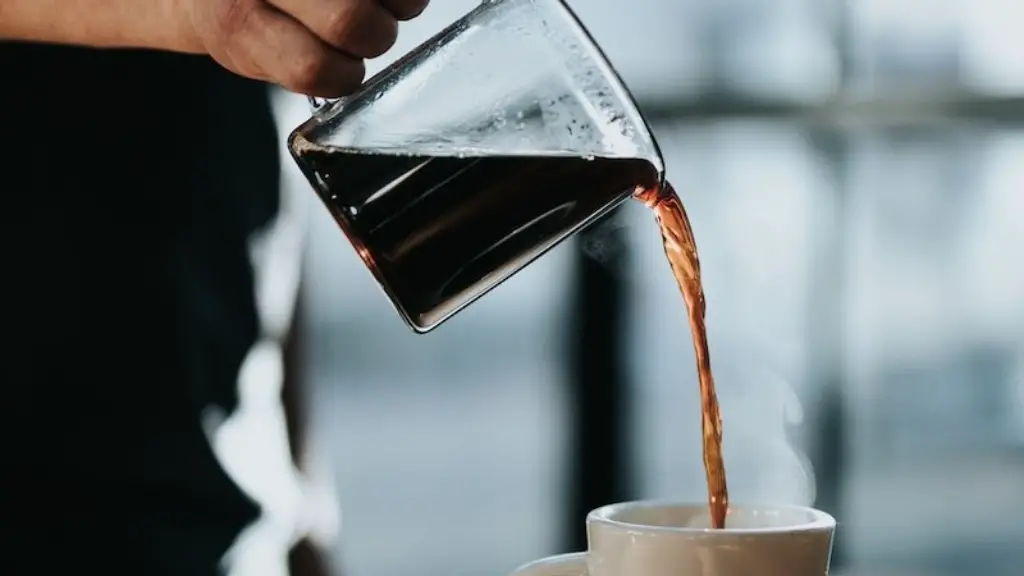
Decaf coffee is a very popular beverage and it is not an uncommon thing to find pregnant women enjoying a cup of decaf during their pregnancy. Is this beverage safe for pregnant women? This is something that physicians acknowledge that is a valid question, and there is still much debate about whether it is safe for pregnant women to drink decaf. Here is an overview of what is currently known about the safety of decaf coffee for pregnant women.
When it comes to decaf coffee, it is important to know that it still contains some amount of caffeine in it. This is because the process of decaffeination removes some of the caffeine, but not all of it. The amount of caffeine varies depending on the method used to decaffeinate the coffee and the type of beans being used. On average, it is estimated that 8 ounce cup of decaffeinated coffee contains between two and twelve milligrams of caffeine. This is compared to a cup of regular coffee which contains anywhere from sixty to one hundred and twenty milligrams.
Many experts believe that it is safe for pregnant women to drink decaffeinated coffee in moderation. Generally, it is recommended that pregnant women limit their caffeine intake to two hundred milligrams per day. At the same time, the American Pregnancy Association recommends that pregnant women avoid caffeine when possible because it can increase the risk of a miscarriage or other complications.

One thing to consider is that some studies have found an increased risk of low birth weight or premature delivery when pregnant women consume more than two hundred and fifty milligrams of caffeine per day. Other studies have found no association between rare cases of complications and caffeine intake, even when pregnant women consume up to four hundred milligrams per day. It is important to note that the studies that found an increased risk of low birth weight or premature delivery did not account for other factors such as smoking, alcohol consumption, or the use of recreational drugs.
It is also important to be aware of the fact that some decaf coffee may be contaminated with metals or other chemicals during the decaffeination process. Metals such as lead and cadmium can be found in some decaffeinated coffees, although the amounts are usually very small. Some of the chemicals used in the decaffenation process may also pose a risk to pregnant women and their unborn child, although the exact risks are unknown.
For this reason, many experts believe that it is best for pregnant women to avoid drinking decaffeinated coffee during their pregnancy. While some decaffeinated coffees may be relatively safe and may not pose any significant risks to pregnant women, it is still important to be aware of the potential risks that may exist. As with any other dietary or lifestyle change during pregnancy, it is important to consult with a physician.
Effects of Too Much Caffeine During Pregnancy
It has been found that an excessive amount of caffeine can have a negative impact on pregnant women and their unborn child. Caffeine can affect the placenta, which helps to supply the baby with nutrients, oxygen and hormones. High amounts of caffeine can also increase the risk of miscarriage, stillbirth, pre-term labor and low birth weight, as well as complications during labor and delivery. In addition, research suggests that excessive caffeine consumption during pregnancy may increase the risk of childhood obesity and reduce the baby’s IQ. However, more research is needed to confirm these findings.
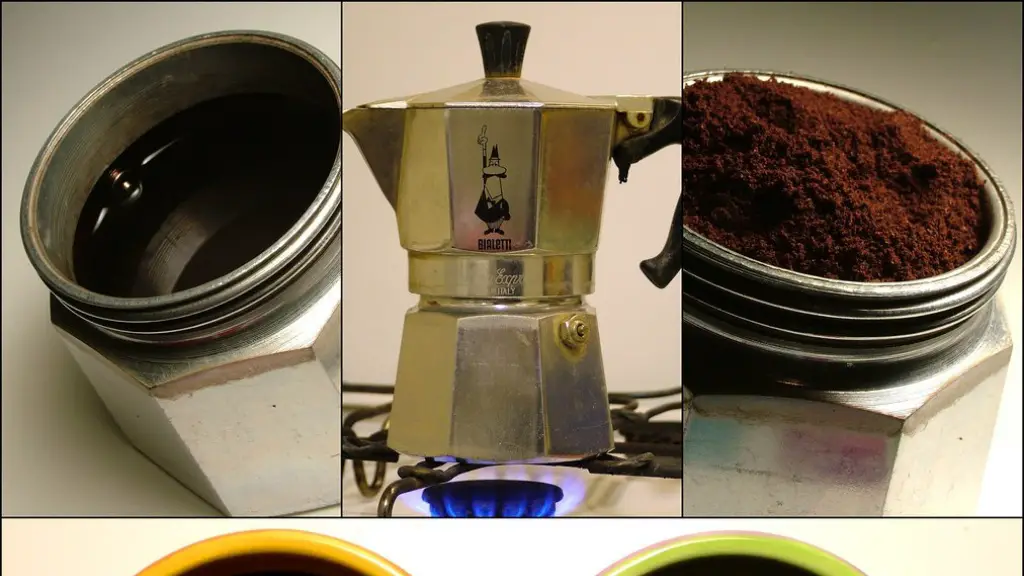
It is important to note that the effects of caffeine can vary from one person to the next. While some pregnant women can tolerate more caffeine than others, it is important to find what amount works best for each individual person. Additionally, some medical practitioners suggest that expecting mothers limit their intake of caffeine-containing beverages and food, as well as herbal supplements, to no more than two hundred milligrams per day.
Effects of Cutting OutCaffeine During Pregnancy
For pregnant women who are looking to avoid or reduce their intake of caffeine, there are a number of options available. For example, there are a variety of decaffeinated beverages on the market, such as tea and coffee. Additionally, many people have switched to drinking herbal teas or warm water mixed with lemon juice or honey. These options can provide a great alternative to caffeine-containing drinks such as coffee and tea.
It is also important to remember that some foods can also contain caffeine. Foods such as chocolate, ice cream, energy drinks, and some soft drinks can also contain caffeine. Additionally, some medications and herbal supplements may also contain caffeine. For this reason, it is very important for pregnant women to be aware of their total caffeine intake from all sources, including food and medication. If a pregnant woman is concerned about her total caffeine intake, she should talk to her physician or a healthcare provider to discuss the best options for her.
Alternatives to Drinking Coffee
In addition to reducing your caffeine consumption, there are some other alternatives to drinking coffee during pregnancy. For example, pregnant women can enjoy smoothies made with fresh fruit and vegetables, as well as herbal teas and sparkling water with freshly squeezed juice and a splash of lime. This can provide a great alternative to a cup of coffee, as well as being highly nutritious for the mother and her baby. Additionally, pregnant women may find it beneficial to limit their intake of alcoholic beverages and sugary drinks, as these can also be harmful to their unborn child.
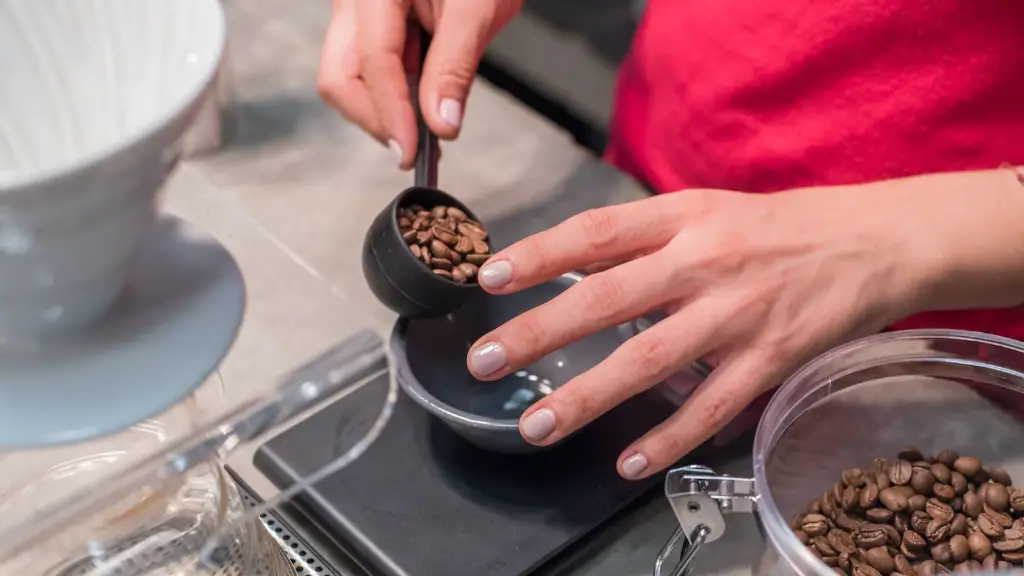
For some expectant moms, cutting out or reducing their consumption of coffee can be difficult. It is important to remember that this can be a gradual process and that it can be done with support. For those who need assistance in cutting back on their caffeine consumption, there are a number of resources available, including online support groups and nutritionists who specialize in pregnancy nutrition.
Reducing Caffeine Intake With A Plan
For pregnant women looking to reduce their caffeine intake, it is important to remember that it can take time. Therefore, it is best to have a plan in place to gradually reduce the amount of caffeine consumed on a daily basis. It is also important to remember that there is no one-size-fits-all approach to reducing caffeine. Some women may find it easier to reduce their caffeine intake by switching to decaffeinated coffee, while others may find it beneficial to slowly reduce their intake by making small adjustments each day. It is also important to keep in mind that cutting out caffeine is a process, and it takes time for the body to fully adjust to the new lifestyle.
Conclusion
Overall, it is important for pregnant women to be aware of the potential risks associated with caffeine intake during pregnancy. While some decaffeinated coffees may be safe and not pose any significant risks to pregnant women, it is important to be aware of the potential risks that may exist. At the same time, it is also important to take steps to reduce or eliminate caffeine while pregnant, as excessive caffeine consumption may have a negative impact on both the mother and her unborn child. Therefore, it is best to consult with a healthcare professional before making any dietary or lifestyle changes during pregnancy.
