
Coffee is the most popular beverage consumed globally, and most people drink it to perk up and get energized. To many, a few cups of solid, black coffee seem to be the way to go when they’re feeling sluggish or exhausted. So is drinking a cup of coffee every day really healthy, or is it something we should refrain from indulging in?
Coffee offers several health benefits. A number of studies have found that drinking coffee regularly may reduce the risk of certain diseases such as type 2 diabetes, Parkinson’s disease, Alzheimer’s disease, certain types of cancer, and even stroke. This is thought to be thanks to the plant compounds, minerals, and antioxidants found in coffee. Coffee drinking also provides a short-term stimulus for the brain which can help to improve focus, thought processing, and reaction time.
Despite its benefits, like anything else, coffee should be consumed in moderation. Consuming too much of it can lead to negative side effects such as insomnia, irritability, anxiety and a fast heartbeat. Caffeine is a stimulant that can affect the quality and quantity of your sleep, so excessive consumption is not recommended. Furthermore, adding sugar, cream, or other sweeteners can make coffee unhealthy by introducing excessive calories. In addition, coffee may damage the lining of the gastrointestinal tract, causing issues like heartburn and digestive upset.
In general, drinking one or two cups of coffee per day is considered healthy. Most health experts agree that up to 400 mg of caffeine per day is safe for adults, which amounts to around 4 cups of coffee per day. However, based on individual sensitivities, some people may need to reduce their consumption to as few as 1 to 2 cups. Therefore, it’s highly recommended to discuss coffee consumption with a doctor for a personalised health plan.
It’s important to note that coffee consumption during pregnancy should be avoided because caffeine is a stimulant and can affect the developing baby’s health. Teenagers, too, should abstain from coffee as their bodies are still growing and developing. Furthermore, it’s wise to choose coffee drinks without added sugar or additives, as they are usually high in calories and may be detrimental to health.
Coffee Varieties
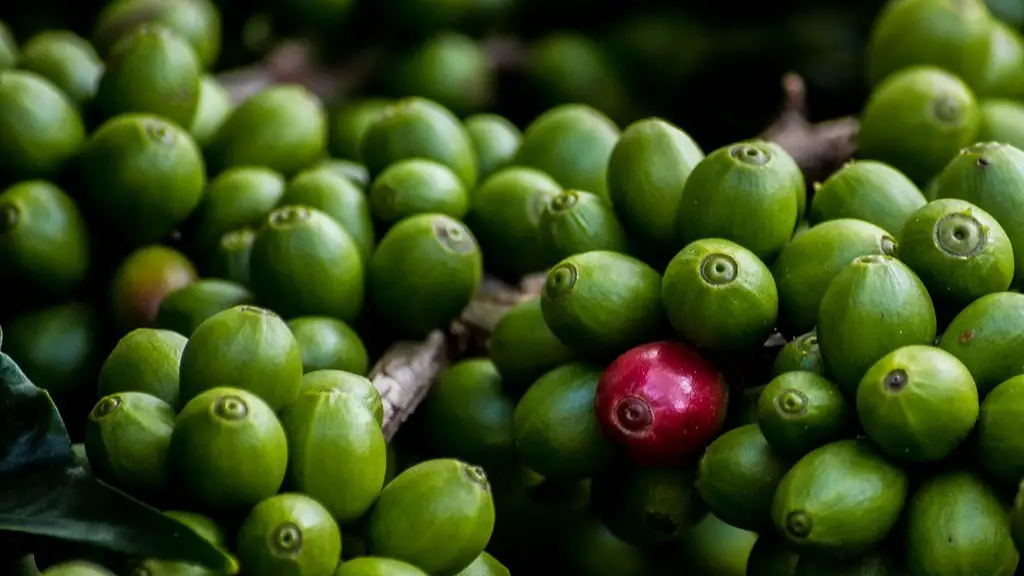
In general, there are two main varieties of coffee – arabica and robusta. Arabica coffee beans are generally considered to be of higher quality and tend to be more expensive than robusta beans, but the latter offers a stronger and more distinctive flavour. Arabica beans are grown in regions such as Ethiopia, Colombia and Brazil, while robusta is grown in India, Southeast Asia and Congo. Each type of bean comes with its own unique flavour and aroma, giving you more options when it comes to coffee.
Organic and Fair Trade Coffee
Organic and fair trade coffees are now widely available from health food and specialty food stores. Organic coffees are grown without the use of synthetic pesticides, and fair trade coffees are produced according to strict ethical and social standards. When buying organic and fair trade coffees, it’s important to look for the organic and fair trade logos on the packages. This is to ensure that the coffee has been produced responsibly and the farmers and workers who produced it have been fairly compensated.
Coffee Add-Ons

There is a variety of other items that can be added to coffee to improve its flavor and taste. Examples include milk, cream, sugar, syrup, and spices. Milk is a popular additive as it makes coffee creamy and decadent. However, it should be noted that milk and milk products are high in calories and can add unhealthy amounts of calories to coffee. Therefore, it’s important to think of alternative, healthier add-ons such as sugar substitutes, plant milk and spices.
Coffee Preparations
How you prepare your coffee can significantly affect its taste and nutrition. One example is espresso, which is brewed under high pressure to create a thick, syrupy consistency. Espresso is a potent form of coffee, so it’s recommended to drink only a few sips as it can be high in caffeine. On the other hand, filtered coffee is brewed with a paper filter and is usually less intense and easier on the stomach. Additionally, cold brew is prepared by steeping coffee grounds in cold or room temperature water for at least 12 hours. This type of coffee has a smoother, less acidic flavour.
Healthier Alternatives to Coffee
If you want to limit your coffee consumption, there are several healthier alternatives you can try. These include herbal teas such as chamomile, green tea, peppermint and ginger. These drinks are naturally caffeine-free, and some of them are rich in beneficial antioxidants. Additionally, decaf coffee is a great option for those looking for all the flavour and aroma of coffee but with less caffeine. Kombucha and hot chocolate are other alternatives that can offer health benefits such as immune system support, digestive health and cognitive function.
