
Coffee is one of the world’s most popular beverages, but there is debate among health experts about its effects on menstruation. Some believe that drinking coffee can have a negative impact, while others argue that coffee is not dangerous and may even have benefits before or during menstruation.
The primary concern about drinking coffee for those with a regular menstrual cycle is that caffeine might interfere with the production of hormones. Studies have found that those who consume large amounts of caffeine are more likely to have shorts periods or irregular cycles. High caffeine intake can also cause menstrual cramps to worsen. Furthermore, many people find that coffee increases anxiety levels, which can be incredibly uncomfortable during the menstrual cycle, when anxiety and stress levels are generally higher than usual.
On the other hand, some experts believe that drinking coffee during the menstrual cycle could help to reduce PMS symptoms. Coffee contains antioxidants, which can help to prevent bloating and headaches that some people suffer during menstruation. Caffeine can also help with fatigue, so coffee can be a good way to increase energy levels when hormones make you feel low.
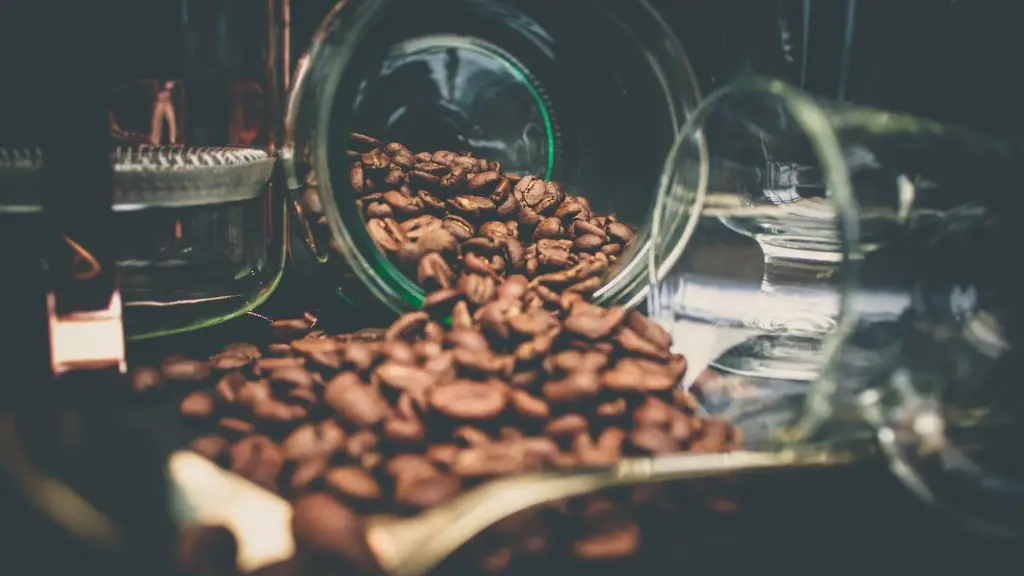
The key is moderation: pregnant women, those with existing menstrual issues, and those who are still progressing through puberty should avoid coffee during their menstrual cycle. Otherwise, it is important to be aware of your own body and to know when enough is enough. If you notice that your symptoms worsen after drinking coffee, then it is best to avoid it or to limit your intake.
The key to reaping the benefits of drinking coffee without the risks associated with an over consumption is to find an appropriate balance. Taking into account the individual’s physiological difference it is important not to exceed the safe consumption levels. Drinking coffee in moderation is perfectly safe for most people. It is also important to drink plenty of water and to avoid sugary drinks, as these can increase bloating and fatigue.
Caffeine Levels
Most health guidelines recommend limiting caffeine intake to no more than 400 mg per day, although there is no consensus on the exact limit. It is important to note the caffeine levels in different beverages, as different types of coffee can have significantly different effects. To get an idea of caffeine levels, a cup of black tea usually has around 47 mg of caffeine, while an espresso has around 105 mg. An average 8 oz cup of brewed coffee can contain anywhere from 95 to 200 mg of caffeine.
Too much caffeine can increase feelings of jitteriness, which can interfere with sleep. Sleep deprivation during the menstrual cycle can cause a range of problems, including exhaustion, mood swings, and changes in appetite. To reduce the risk of these issues, it is best to reduce the amount of caffeine consumed during the menstrual cycle.

Some people find that sticking to decaffeinated coffee is the best way to reduce their caffeine intake. Decaffeinated coffee still contains traces of caffeine, but the levels are significantly lower than in regular coffee. If you don’t want to completely give up on coffee, switching to decaffeinated versions can be a good way to reduce your caffeine intake without completely giving up on your favorite beverage.
Coffee Alternatives
If coffee is not an option due to health issues, there are lots of coffee alternatives available. Herbal teas, like mint and ginger, can be a good way to lift energy levels and soothe cramps, while other hot drinks, like hot chocolate and honey and lemon, can help to reduce bloating and headaches. It is also important to drink plenty of water during the menstrual cycle, as this can help to reduce fatigue and improve mood.
Eating a balanced, nutrient-rich diet is also essential during menstruation. Eating the right kinds of food can make all the difference in how you feel during your cycle. Eating lots of leafy greens and whole grains can help to boost energy levels, whilst snacking on nuts and seeds can help to prevent bloating.
Finally, getting enough exercise can also really help. Exercise increases the production of endorphins, which can help to lift mood and reduce stress. Even light activities, like a 15-minute walk or a gentle yoga class, can make a big difference in how people feel during the menstrual cycle.
Hormone Balancing Supplements

Hormone balancing supplements can be a great way to reduce the effects of hormone imbalances during the menstrual cycle. Different supplements could help to reduce cramps and fatigue, and some can even reduce PMS symptoms. Evening primrose oil, magnesium, B6, and vitamin D are just a few of the supplements that may help with hormone regulation.
It is important to speak with a doctor before taking any supplements, as some may interact with medications or have adverse effects. Also, be sure to take the recommended dose – taking too much of any supplement can lead to further imbalances, which can cause a range of issues.
Mental Health
It is also important to consider mental health when thinking about hormone regulation during the menstrual cycle. Anxiety and stress can cause hormonal imbalances, so it is important to manage stressors during the menstrual cycle. Meditation and breathing exercises can be great ways to reduce stress and can help to improve mood. Practising mindfulness and gratitude can also help to lift mood and reduce hormone imbalances.
Making time for yourself is important too. Taking some time out to relax and do something you enjoy can make a huge difference. Whether its having a bath, listening to music, or reading a book, taking some time for yourself can really help to reduce stress levels and improve mood.
Support Network

Finally, it is important to have a strong support network during the menstrual cycle. Having friends and family to talk to can make the world of difference during difficult times. Finding time for yourself and for others can really help to reduce stress levels and lift your mood. Don’t be afraid to ask for professional help if you need it. There are plenty of resources available to help with mood regulation during the menstrual cycle.
It is also important to be mindful of your emotional needs during this time. Don’t be afraid to show emotion and express yourself. Keeping feelings bottled up could lead to further imbalances, so expressing your emotions in a healthy way can make a huge difference.
Sleep
Sleep is also essential during the menstrual cycle. During the cycle, hormones can make it difficult to get good quality sleep, so try to aim for at least 8 hours per night. Make sure to have a regular bedtime routine, as this can really help with regulating hormones and getting better quality sleep.
Relaxation techniques can be great for reducing stress before bed and can also help with muscle tension and menstrual cramps. There are a range of different techniques, from yoga to meditation, so find the one that works for you. Also, try to avoid using electronic devices in bed, as this can really interfere with the body’s natural sleep cycle.
Conclusion
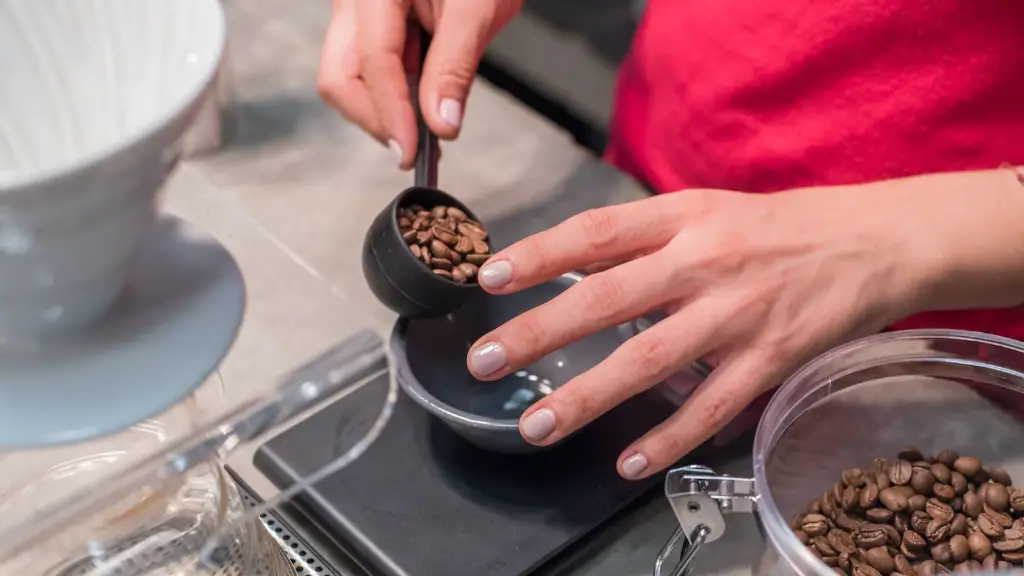
In conclusion, coffee can be enjoyed during the menstrual cycle in moderation. However, it is important to be aware of how caffeine can impact hormones and to take measures to reduce the effects on the body. Drinking plenty of water, eating a balanced diet, and getting enough sleep can all help with hormone regulation and making the menstrual cycle more manageable. Mental health is also important during this time, so make sure to take care of yourself with plenty of self-care and a strong support network.
