
Coffee Around the World
Coffee is one of the world’s most popular beverages, with around 2.25 billion cups consumed daily. According to the International Coffee Organization (ICO), Brazil is the top global producer of coffee, followed by Vietnam, Colombia, and Indonesia. In the United States, around 54% of adults drink at least one cup of coffee per day, and the average American consumes 2.7 cups daily.
Health Benefits of Coffee
Coffee has its benefits. Aside from adding a bit more energy to a person’s day, it also offers a multitude of health perks. Studies have shown that people who drink at least one cup of coffee a day have an overall lower risk of death by any cause. Coffee consumption has also been linked to lower risks of various chronic diseases. These include type 2 diabetes, cardiovascular disease, and cancer. Furthermore, it may aid in reducing depression and anxiety.
Possible Health Risks of Coffee Consumption
While coffee boasts many health benefits, drinking coffee every day can also have some negative effects on a person’s health. For example, too much may cause an increase in blood pressure and an adverse effect on insomnia as the caffeine can interfere with a person’s sleep. In addition, some people may experience digestive issues such as an increased heartburn or acid reflux after drinking multiple cups of coffee per day.
How Much Coffee Is Too Much?
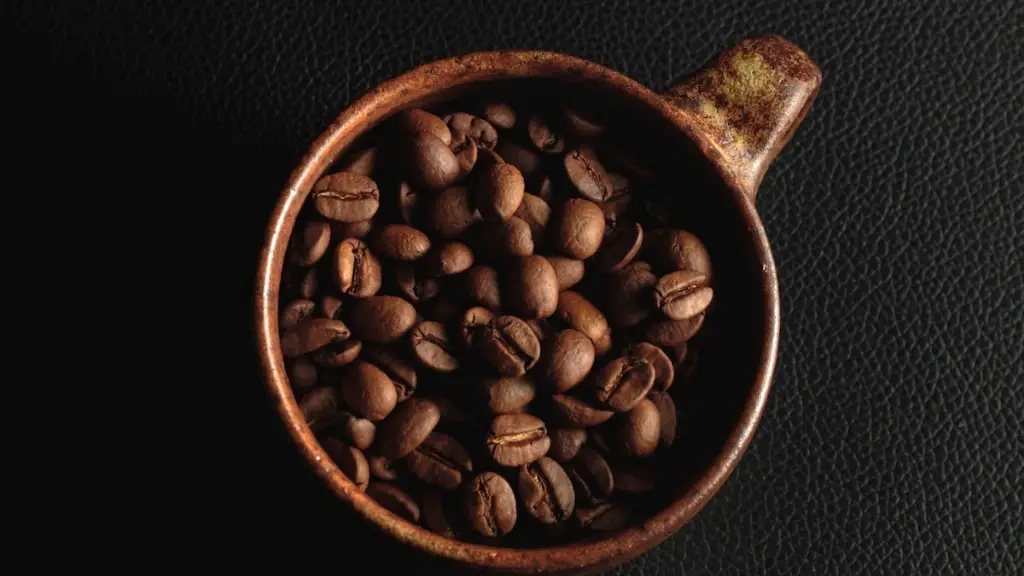
When it comes to coffee, moderation is key. Experts suggest limiting caffeinated coffee to three to five cups per day, as drinking multiple cups may lead to adverse health effects. Additionally, pregnant women should consult their doctor before consuming any caffeine, as too much can have serious consequences.
Things to Keep in Mind
When drinking coffee, it is important to remember that it is a stimulant. Drinking coffee throughout the day may lead to crash several hours later due to the crash normally associated with stimulants. Furthermore, adding too much creamer or sugar to coffee can lead to a buildup of empty calories, which can lead to other health issues if it isn’t kept in check.
Coffee Alternatives
For those who don’t want to drink coffee every day, there are a few alternatives. One option is iced tea, which offers similar levels of caffeine even though it contains theophylline, a stimulant that is milder than caffeine. Another option is decaf coffee, which still offers some of the flavor of regular coffee but only contains small amounts of caffeine.
Types of Coffee
There is a wide variety of coffee choices, and each type may offer different health benefits. Black coffee is the most basic option–it is simply brewed and does not contain sugar or creamers. Espresso is a concentrated form of black coffee, and the stronger-tasting option, while cappuccinos and macchiatos are espresso combined with frothed milk. Lastly, french press coffee is a popular method of making coffee as it is brewed over a longer period of time with a filter.
Coffee and Taste
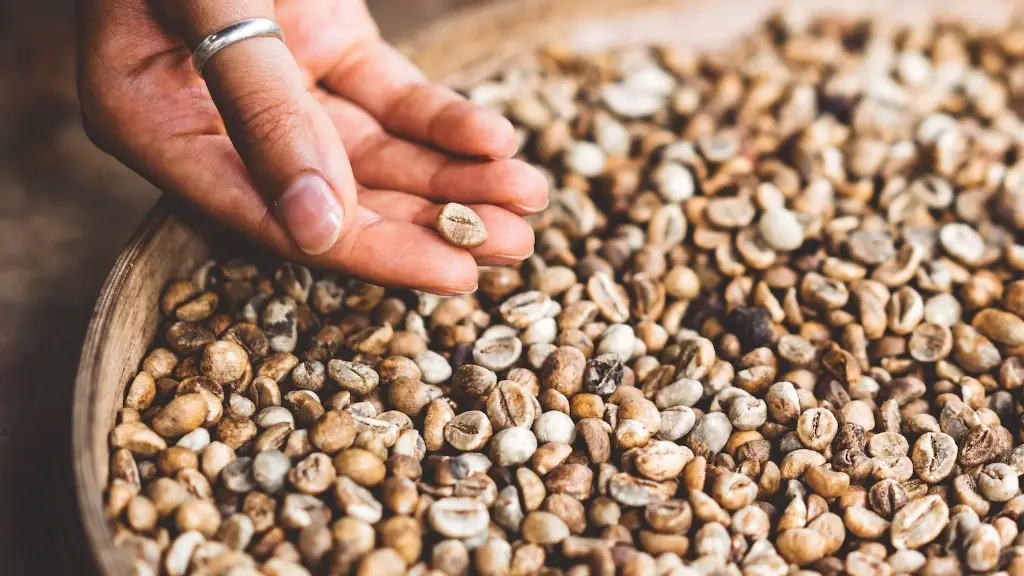
On top of the many health benefits or risks due to coffee consumption, the taste preferences can vary greatly. Some may prefer black coffee while others may add different creams and sweeteners to it. Still some may enjoy espresso or cappuccinos as they are often more flavorful. Finding the perfect type of coffee and the best way to make it can make a big difference in individual enjoyment.
Coffee in a Healthy Diet
With moderation, coffee can be integrated into a healthy diet. Eating a healthy breakfast with some protein can counteract any issue with acid reflux or heartburn that some may experience. Additionally, utilizing healthier creamer and sugar options, like almond milk or Stevia, are good substitutes for dairy creamers and refined sugars.
Coffee and Quality of Life
The key to worthwhile coffee consumption is quality and enjoyment. Whether it’s one cup of black with a sprinkle of cinnamon or five cappuccinos within the day, it’s important to savor the taste and the experience. In that aspect, occasional coffee consumption in moderation can elevate the senses and energies, improving the quality of life over time.
Coffee on an Empty Stomach
Drinking coffee on an empty stomach can lead to potential health risks. The acids in coffee can irritate the stomach, leading to an increased risk of heartburn and ulcers. Instead, it is best to wait until one has had breakfast to begin drinking coffee. Additionally, it is best to avoid caffeinated coffee late in the day as it can interfere with sleep.
Coffee for Weight Loss

Coffee consumption has been linked to weight loss in some studies. Coffee is thought to suppress appetite, increase energy, and burn fat. The fat-burning aspect of coffee is due to its caffeine content, which helps the body to metabolize fat more efficiently. However, adding too much creamers or syrups to coffee can pack on calories and negate the weight loss effects.
Coffee and Digestion
Coffee is an excellent tool to help with digestion. Studies have shown that regular coffee consumption can help the digestive system to expel waste more efficiently and reduce constipation. Additionally, the acid in coffee helps the body to absorb important minerals, though it is important to note that too much coffee can lead to digestive issues.
Social Aspects of Coffee
Coffee is not just a beverage–it is also a social activity. All around the world, individuals gather at coffee shops to enjoy coffee and conversation. Having coffee with friends and family is an excellent way to foster relationships and take the time to enjoy life’s simple pleasures. Furthermore, coffee offers an opportunity to meet new people and build a more connected community.
Coffee Variety and Culture
Coffee is more than just a beverage consumed daily. It is an integral part of cultures all around the world, from Ethiopia and Colombia to the United States. In modern days, experimentation with coffee is on the rise as people are creating new coffee recipes and trying various coffee varietals. Coffee culture has become an essential part of the modern social fabric, and continues to shape our communities and enrich our lives.
