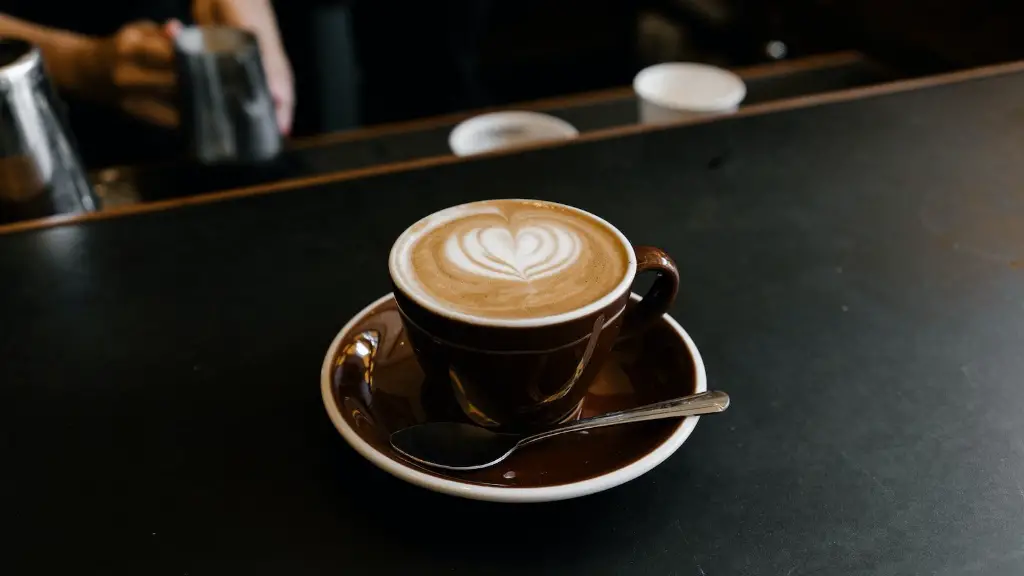
Is drinking coffee everyday good for your health? This is a question with answers that range across the spectrum of opinion, but science is working overtime to determine which answer is most likely the correct one. Coffee has been around for centuries and it has been consumed almost daily in various countries and cultures. To understand if it’s good for your health or not, this article will delve into its benefits, its downsides, and the measures necessary to make it a part of a healthy lifestyle.
Coffee contains important components which scientists have come to link to health benefits. Firstly, it is a major component of antioxidant intake, with small amounts of essential vitamins and minerals like chromium, vitamins B2 and B3, potassium, and magnesium present. Caffeine, when ingested responsibly and not in excess, has been linked to more stable energy levels, improved mental alertness, and improved concentration. Additionally, there is evidence that it can be beneficial for a person’s physical performance, increasing energy levels in people who are not excessively caffeine-sensitive. Lastly, there is evidence that well-caffeinated people’s ability to deal with stress is improved, which leads to better decision-making, fewer headaches, and less fatigue.
However, there are some downsides to consider as well. Consuming excessive amounts of coffee can lead to over-stimulation, insomnia, restlessness, and headaches; it can also contribute to increased levels of cortisol, the hormone responsible for stress. Coffee can also interfere with certain medications, so if you are taking prescription drugs, you should consult with a physician before increasing your doses. Lastly, caffeine can increase the severity of certain digestive issues, including heartburn, indigestion and ulcers.

Given all this, it is important to take the proper steps to ensure that any coffee intake is healthy and beneficial. You should consider the amount of caffeine you are ingesting—as a general rule, if you are drinking more than 400mg of caffeine per day, it’s time to cut back. It’s also important to ensure that your coffees and other drinks containing caffeine are from a trusted source. If you find yourself getting headaches and other ill effects from drinking coffee, you may be overdoing it and should take a break from it.
In conclusion, coffee can be an important part of a healthy lifestyle when properly consumed. It has numerous health benefits and it can provide a boost of energy and alertness. However, it is important to be aware of the potential downsides of coffee intake and to adjust your diet accordingly.
Medically Supervised Consumptions
Drinking coffee everyday can be beneficial when taking under medical supervision that involves monitoring of medical symptoms. This involves careful control and awareness of the elements present in coffee, such as the amount of caffeine, adding healthy ingredients like milk, foam and honey, and ensuring not to exceed the recommended intakes of coffee per day. Also, monitoring for changes in blood pressure, digestion and cardiovascular health can be especially beneficial for those who are at risk of developing health challenges. With that being said, it is important to consult with a medical professional prior to drinking coffee everyday in order to receive personalized advice.
Additionally, it is essential to be aware of the dangers that come with drinking coffee everyday. When ingested in high quantities, coffee can lead to increased heart rate, jitteriness, restlessness, nausea, dehydration and gastrointestinal distress. As such, it is important to stay within the recommended levels, usually two cups per day, unless one is under strict medical supervision.

Moreover, consuming large amounts of coffee can also lead to physical withdrawal symptoms if consumed on a daily basis for an extended period. Symptoms can include headaches, fatigue, depression, lack of energy, difficulty concentrating, and irritability. All of these symptoms can be remedied and taken care of when controlled consumption of coffee is observed.
Caffeine Alternatives
Caffeine alternatives to coffee can be used for daily consumption if one is interested in gaining the same energy boost without consuming coffee. Alternatives like herbal teas, green tea, and matcha are great options. Herbal teas can provide a boost of energy and good feelings without the side effects of caffeine. For example, peppermint and chamomile teas are used to reduce stress and improve mood and Sleepytime tea is widely used to reduce anxiety. Matcha tea is also highly popular and it can provide an energy boost with much fewer effects on the cardiovascular system.
Moreover, green tea has plenty of health benefits like enhancing mental alertness and providing antioxidants. It is also widely agreed to be a great way to help lose weight due to the presence of catechins. Lastly, yerba mate tea is an energizing drink containing theobromine, theophylline, and caffeine, all of which are known to have benefits when consumed in moderation.
Healthy Preference of Coffee
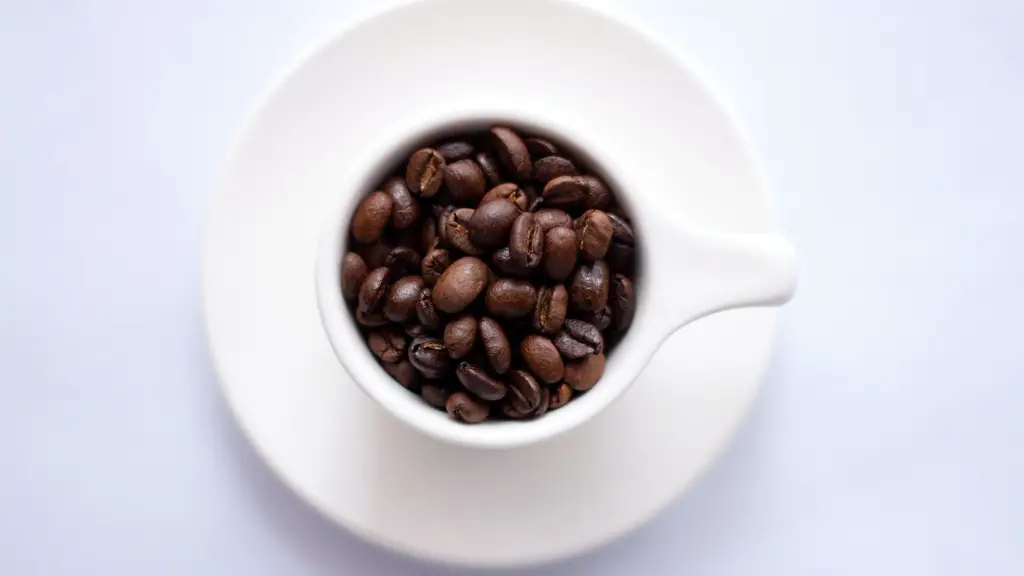
When looking for a healthy way to drink coffee a person should look at the ingredients in their coffee and avoid adding any additional sugar, heavy dairy, and other processed sweeteners that can easily put someone over their daily recommended intake. For an additional health benefit, a person should look for organic, fair trade and shade-grown ground coffees, these have far fewer chemicals than those that are grown on industrial plantations. Lastly, opting for whole bean over pre-ground coffee can provide additional health benefits as the antioxidants in the beans are preserved much better when they are ground fresh.
Also, substituting some cream or milk for non-dairy milk or oat milk, can be beneficial. Non-dairy milk is a healthier alternative to dairy milk as it is lower in fat and calories with fewer calories per cup than whole milk. Oat milk is also a great substitute as it is high in fibre and protein whilst being low in fat.
On top of that, those who are looking to cut back on the amount of caffeine they consume can opt for decaf coffee. Decaffeinated coffees contain the same amount of cancer-fighting antioxidants as regular coffee, without the harsh overrides of caffeine. Decaffeinated coffees also have a lower level of acidity and less bitterness than regular coffees thus making them suitable for those with sensitive digestive systems.
Making Coffee Part of Diet
In order to make coffee a part of a healthy diet, it is important to understand that coffee should be consumed in moderation in order to receive its benefits without any adverse effects. This means ensuring that one is not taking more than two cups of coffee daily and consuming on an empty stomach. People who are sensitive to caffeine should consider sticking to one cup of coffee a day or looking into caffeine free alternatives.
Moreover, it is important to make sure that coffee is not a substitute for better food choices. Coffee is not a meal replacement and should be supplemented by a healthy balanced diet made of real, non-processed food.
Additionally, it is important to consider the timing of one’s coffee consumption. Coffee should be consumed in the morning or midmorning and not at night as it can interfere with one’s quality of sleep. Furthermore, abstaining from coffee for a few days every month can help to reset one’s caffeine intake in order to minimise the effects of overconsumption.
Coffee Subscription Services
Coffee subscription services are an excellent way of alleviating stress and hassle while obtaining the best quality coffee. Many opt for these services due to their convenience and wide variety of options on whenever and wherever one wants to consume coffee. Moreover, these services often include the ability to select specialty blends and varying tastes.
On top of that, many coffee subscription services are partnered with local coffee companies, thus supporting local businesses and their local economy, as well as their impact on the environment. Furthermore, subscribing to a coffee subscription service will typically save customers money as they are likely to be given discounts, as well as additional samples alongside their coffee.
Lastly, as mentioned previously, coffee subscription services provide customers with the added benefit of variety. This means that coffee enthusiasts and newcomers alike have the ability to experiment and sample different coffees, roasts and blends that they may not otherwise get to taste.
