
Introduction
We all know that coffee can give us an energy boost and that it’s become a staple for millions of people. But can it actually help with our workouts? According to some studies, there may be numerous benefits to drinking coffee before your workout. Coffee is known to increase alertness, reduce fatigue, and provide a short-term energy boost—all of which can help to improve your performance in the gym. However, there is still a lot that is not known about the effects of coffee on individual workouts and the extent of these benefits.
Background Information
Caffeine, the active ingredient in coffee, has long been used as a natural stimulant to enhance physical performance. Caffeine works by binding to adenosine receptors in the brain, which helps to reduce fatigue, increase alertness, and enhance focus and concentration. Caffeine has been shown to increase the rate of fatty acid oxidation, which in turn can increase exercise endurance and give the athlete an extra boost in power and strength.
In addition to its physical benefits, caffeine has been found to have a positive impact on motivation and exercise performance. According to research, caffeine can help to reduce the perceived effort of a workout, which is known to have a direct impact on our motivation to train. The enhanced focus, heightened alertness and decreased fatigue are all contributing factors to this effect.
Data

Some studies have looked at the effects of caffeine on exercise performance and the results have been quite promising. One study examined the effects of caffeine supplementation on endurance performance and found that caffeine could increase exercise performance by as much as 12%. Another study examined the effects of caffeine on resistance training and found a significant improvement in power output and strength.
In addition to increase exercise performance, studies suggest that caffeine can also help to reduce muscle pain during workouts. One study found that caffeine consumption before a resistance training session led to a significant reduction in post-workout muscle soreness.
Perspectives From Experts
Dr. Jack Daniels, Ph.D., an exercise physiologist, recommends drinking coffee before a workout, particularly for those who are training for longer distances or endurance events. He states that caffeine can help to increase focus and alertness, which can be beneficial for those trying to push through a long run or a challenging workout. He cautions, however, that it is important to be aware of your individual tolerance to caffeine. Some people may be particularly sensitive to caffeine and should be careful when drinking coffee before a workout.
Nutritionist Dr. Donald Layman to hold similar beliefs, recommending coffee for workouts for its performance-enhancing benefits. He suggests that coffee can help to increase alertness and focus, which can help athletes to stay on task and to push through difficult workouts. He also believes that caffeine can reduce fatigue, particularly for those who are performing longer endurance activities.
Insights and Analysis
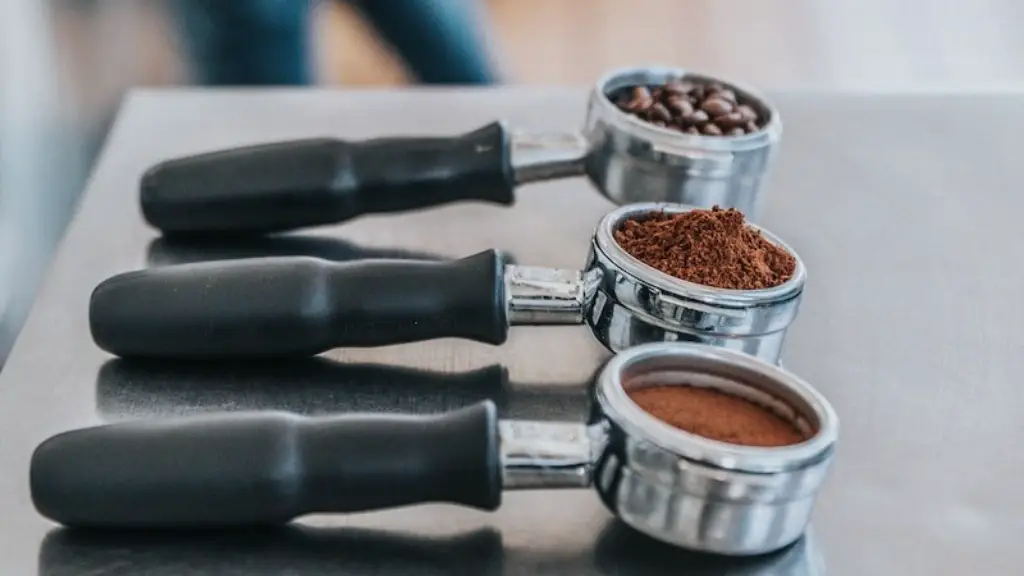
Drinking coffee before a workout can definitely provide a number of benefits, especially when it comes to increasing alertness and reducing fatigue. Additionally, studies suggest that caffeine can help to increase power output and strength, which can be beneficial for those looking to make gains in the gym. That being said, it is important to respect your individual caffeine tolerance and to avoid drinking too much or too close to a workout.
For those who are looking to reap the benefits of caffeine, a single cup of coffee (about 8 ounces) should provide enough of a boost and should be sipped on slowly, about 30 minutes before the start of your workout. While coffee can be beneficial for those trying to improve their performance, it is important to remember that proper nutrition and hydration are essential for optimal performance in the gym.
Dos and Don’ts
Do:
- Drink a single cup of coffee (8 ounces) about 30 minutes before your workout.
- Drink coffee that is not too strong in order to avoid any possible stomach discomfort.
- Listen to your body and respect your individual caffeine tolerance.
Don’t:
- Drink coffee too close to a workout. Ideally, caffeine should be ingested with at least 2 to 5 hours before a workout.
- Drink large amounts of coffee as this can lead to adverse effects such as increased heart rate and stomach discomfort.
- Forget to hydrate. Caffeine is a diuretic, so it is essential to drink plenty of water while consuming caffeine.
Impact on Workouts

Drinking coffee before a workout can definitely provide some positive benefits, especially when it comes to increasing alertness and decreasing fatigue. It is important to remember, however, that the extent of these benefits will depend on the individual. Some people may find that coffee enhances their performance in the gym, while others may not notice any difference. Ultimately, it is important to listen to your body and to respect your individual caffeine tolerance.
Proper Timing
It is important to time your coffee consumption correctly in order to receive its maximum benefits. Ideally, coffee should be consumed about 30 minutes before your workout in order to give your body enough time to absorb the caffeine. Additionally, it is important to avoid drinking coffee too close to a workout, as it can lead to adverse effects such as increased heart rate or stomach discomfort.
Interaction With Other Stimulants
If you are already taking other stimulants such as pre-workout supplements or energy drinks, it is important to be aware of the potential interactions between these substances. Some of these substances may contain large amounts of caffeine or other stimulants that can cause adverse effects when taken in combination with coffee. For this reason, it is important to be mindful of what other stimulants you are taking and to be sure that the combination is safe and won’t cause any adverse effects.
Summary and Conclusion
Drinking coffee before a workout can provide numerous benefits when it comes to increasing alertness, decreasing fatigue, and enhancing physical performance. However, it is important to remember that the effects of coffee can vary from person to person and it is important to respect your individual caffeine tolerance. Additionally, it is important to ensure that your coffee consumption is properly timed and that you are aware of any potential interactions with other stimulants that you may be taking. Ultimately, coffee can be a great way to give yourself an extra boost before a workout.