
Many of us enjoy our regular morning cup of coffee but there is a certain set of guidelines one should take if drinking coffee on an empty stomach. According to experts, drinking coffee on an empty stomach should be avoided, as it can result in several health complications.
The most common issue associated with drinking coffee on an empty stomach is an increased risk of acid reflux. Because the stomach is empty, the additional acid from the coffee can cause the acidity of the stomach to become higher than normal. This can cause irritation of the digestive tract, leading to symptoms such as indigestion and heartburn. Additionally, coffee can also irritate the walls of an empty stomach, further leading to digestive complaints.
Coffee contains stimulants such as caffeine, which can affect your body in various ways. On an empty stomach, the effects of caffeine can be more pronounced and cause symptoms such as increased heart rate, nausea and headache. In some cases, caffeine has also been linked to digestive problems such as abdominal cramps and irritable bowel syndrome.

Coffee can affect your blood sugar levels, may be beneficial and be detrimental depending on the how active your lifestyle is and how much coffee you drink. Having coffee on an empty stomach can cause a spike in your blood sugar level and can have a detrimental effect if you have a sedentary lifestyle. The stimulants in coffee can also make it hard for your body to absorb glucose, which can cause a host of other issues.
If you do choose to drink coffee on an empty stomach, there are a few precautions to take. It’s best to dilute any coffee you consume with water or milk, as this will reduce the effect of the stimulants. Additionally, it is of utmost importance to ensure that the coffee isn’t too hot, otherwise it can further irritate the stomach. Finally, try to limit your consumption to no more than one cup per day.
Experiencing Cramps Due to Drinking Coffee On an Empty Stomach?
Stomach cramps due to drinking coffee on an empty stomach can be painful and can easily be avoided by taking certain precautions. Firstly, if your stomach feels particularly empty, it is advisable to eat something before consuming any coffee. This will help to decrease the amount of acid that can be released and ensure that your body absorbs the stimulants from the coffee. You should also stay hydrated when drinking coffee and ensure that you eat your meals at regular intervals throughout the day.
Additionally, there are certain natural remedies you can use to reduce the effects of cramps and digestive issues caused by drinking coffee on an empty stomach. A teaspoon of honey mixed with a glass of warm water can help to ease stomach cramps and improve digestion. Aloe vera juice, ginger tea and apple cider vinegar are also helpful in relieving cramps and reducing the symptoms of an upset stomach.
Nutrition and Coffee On an Empty Stomach

Coffee can also have an effect on your nutritional status. Consuming coffee on an empty stomach can cause minerals to be absorbed from the stomach and can lead to decreased levels of zinc, magnesium and calcium in the blood. To prevent this, it is advisable to include plenty of calcium-rich foods such as milk, almonds, tofu and fortified cereals in your regular diet.
Additionally, it is important to ensure that your coffee isn’t sugary or sweetened. This is because added sugars can easily upset your stomach and cause further issues. Some experts also recommend switching to decaffeinated coffee if drinking on an empty stomach, as decaffeinated varieties contain a much lower amount of caffeine and won’t cause as much of a disruption to your digestive system.
The Benefits of Drinking Coffee On An Empty Stomach
Despite the potential health risks, there are some benefits associated with drinking coffee on an empty stomach. Firstly, experts believe that the empty stomach allows some beneficial components of the coffee to be absorbed into the bloodstream more quickly. Coffee also contains antioxidants, which can help to reduce oxidative stress and promote cell repair.
Additionally, many enjoy the taste of coffee on an empty stomach, as it can increase the flavor. A quick cup of black coffee on an empty stomach in the morning can also be a great source of energy, helping you stay productive throughout the day.
Changing Habits For the Better

Most experts agree that making some subtle changes to your lifestyle can help to reduce the health impacts of drinking coffee on an empty stomach. Eating slowly, drinking plenty of water and eating healthy snacks between meals can all help to improve digestion. Ensuring that you don’t drink coffee late at night can also be beneficial, as it can ensure that your body has the opportunity to rest and recharge.
By following the aforementioned guidelines, most people can enjoy their cup of coffee without the fear of damaging their health. However, it is important to remember that everyone is different and that everyone should be mindful of their own health and habits when it comes to drinking coffee.
Consulting Experts Before Starting to Drink Coffee On An Empty Stomach
If you are thinking of drinking coffee on an empty stomach, it is important to consult your doctor or a qualified nutritionist beforehand. This is important as they can advise you on the best way to ensure that you avoid any unnecessary health risks. Additionally, they may be able to provide further tips on how to ensure that your diet remains healthy even if coffee consumption is on the rise.
Finally, it is also important to remember that if you do experience any adverse effects from drinking coffee on an empty stomach, it is important to stop and consult your doctor. Certain symptoms such as heart burn or indigestion could be related to an underlying health condition and should be looked at by a medical professional.
Self Care for Those Who Drink Coffee On An Empty Stomach

If you do regularly consume coffee on an empty stomach, it is important to take certain steps to ensure that your health is taken care of. Drinking plenty of water can help to keep you hydrated and can aid digestion. Exercise can also be beneficial, as it can help to boost metabolism and keep your digestive system in good condition. Additionally, getting enough sleep each night is also important as it helps to rest your body and replenish its energy supply.
Additionally, there are certain dietary changes that you can make to help you stay healthy. Foods such as yoghurt, whole grains and fruits are all great for digestion and can help to reduce digestive issues caused by drinking coffee on an empty stomach. Focusing on eating smaller portion sizes can also help to reduce the risks associated with drinking coffee on an empty stomach.
Knowing When to Stop Drinking Coffee On An Empty Stomach
Drinking coffee on an empty stomach is a personal choice and there is no right or wrong answer when it comes to how much you should drink. However, it is important to be mindful of the amount of coffee you are consuming and to listen to your body. If you feel any adverse effects from drinking too much coffee, it is always best to take a step back and assess your caffeine intake.
Additionally, if you experience any severe symptoms or if you experience chronic digestive problems, it is best to consult your doctor. They can help to diagnose any underlying health issues and recommend the best course of action when it comes to drinking coffee on an empty stomach.
Enjoy Coffee in Moderation
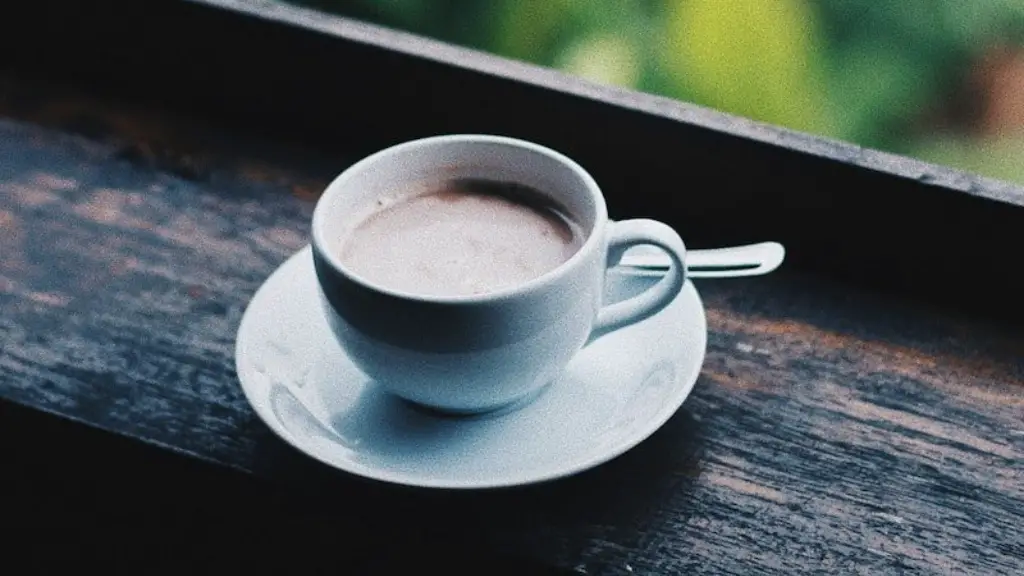
At the end of the day, drinking coffee on an empty stomach is a personal decision and should be taken in moderation. Taking certain steps such as eating before drinking, drinking plenty of water and getting enough sleep can all help to reduce the negative side effects associated with drinking coffee on an empty stomach. Additionally, it is also important to consult your doctor or a qualified nutritionist if you have any concerns about your caffeine intake. By doing this, you can enjoy your cup of coffee without the worry of damaging your health.