
Drinking Coffee While Pregnant: Risks and Benefits
When it comes to the health of a growing baby, coffee and other potentially harmful substances are often at the center of debate. Pregnant women and new mothers often want to know if coffee is safe while they are pregnant or breastfeeding – with the answers being both nuanced and sometimes confusing. The bottom line is that coffee consumption is not necessarily dangerous during pregnancy, but it should be consumed in moderation.
The majority of studies regarding the safety of coffee consumption during pregnancy indicate that light to moderate use of caffeine is generally not dangerous. In fact, one study even suggests that pregnant women who drink coffee may have a slightly lower risk of experiencing a miscarriage. However, it is important to note that excessive consumption of caffeine during pregnancy can increase the risk of adverse pregnancy outcomes, such as lowered birth weight or preterm birth.
When it comes to caffeine consumption during pregnancy, the key is moderation. The American College of Obstetricians and Gynecologists recommends that pregnant women limit their intake of caffeine to no more than 200 mg per day, or about two 8 oz cups of coffee. Women who are already at risk of having a miscarriage, premature birth, or low-birth-weight baby should be especially cautious, and should limit their caffeine consumption even further. It is also important to note that caffeine can be found in other forms, such as energy drinks, sodas, and certain teas.
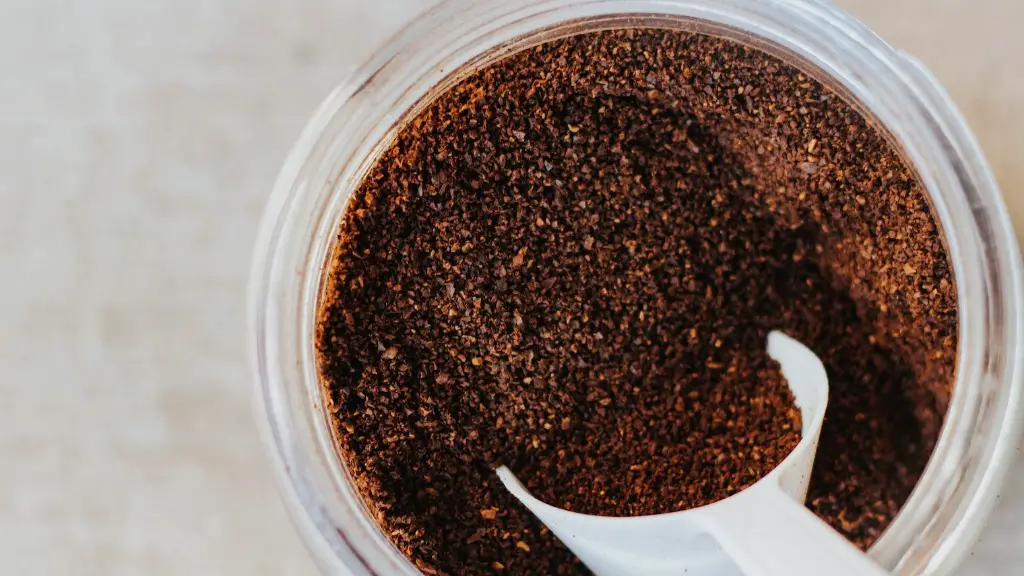
It is important to remember that caffeine is not the only substance that can be dangerous during pregnancy – alcohol, nicotine, and other substances should also be avoided. Furthermore, pregnant women should ensure that they are consuming a balanced diet and getting enough sleep to ensure the health of their baby. Finally, pregnant women should always consult their physician before engaging in any activity that may affect the health of their developing baby.
Societal Perspective on Drinking Coffee During Pregnancy
Though moderate caffeine consumption is generally considered to be safe during pregnancy, there can be a stark difference between what is safe and what is socially acceptable. Society often demands that pregnant women take extra caution to avoid any potential harm or risk to their baby, and as a result, certain activities which may be considered safe are sometimes discouraged.
In many countries, coffee is often seen as a sign of fertility and childbearing. As a result, pregnant women and new mothers often feel pressure to abstain completely from drinking coffee – even if moderate consumption is generally considered safe. As a result of these societal pressures, there is often a stigma surrounding coffee and other substances and activities which are often discouraged during pregnancy.
Furthermore, the acceptance of coffee consumption during pregnancy varies from culture to culture. For example, in some societies drinking coffee is considered to be normal during pregnancy, while in others it is discouraged. These cultural differences can contribute to the differing opinions and views surrounding coffee consumption during pregnancy.

Ultimately, it is important for pregnant women to be aware of the risks and benefits of consuming coffee during pregnancy. While there can be potential risks, such as lower birth weight or preterm birth, there may also be potential benefits of moderate caffeine consumption, such as a lower risk of miscarriage. Each woman should speak to her physician and consider her own individual risk factors when deciding whether or not to drink coffee while pregnant.
Expert Advice on Drinking Coffee When Pregnant
Various expert organizations and practitioners provide resources on the safety and risks associated with consuming coffee during pregnancy. For example, the American College of Obstetricians and Gynecologists recommends that pregnant women limit their caffeine consumption to 200 mg per day, or about two 8 oz cups of coffee.
The American Academy of Pediatrics (AAP) provides guidelines for pregnant women regarding the consumption of caffeine and other potentially harmful substances. The AAP recommends that pregnant women avoid nicotine, alcohol, and other drugs during pregnancy, as well as limiting their caffeine consumption to 200 mg per day. Furthermore, the AAP recommends that pregnant women take extra caution when considering any activity or substance that may affect the health of their developing baby.
Finally, the Mayo Clinic recommends that pregnant women limit their caffeine consumption to 200 mg per day, or about two 8 oz cups of coffee. The Mayo Clinic also recommends avoiding caffeine entirely in the first trimester of pregnancy, as this is when the baby’s organs are most vulnerable to the potential dangers of caffeine consumption.

Ultimately, it is important to note that different experts may provide different advice and guidance regarding caffeine consumption during pregnancy. It is important for pregnant women to speak to their physician and take into account their own individual risk factors when deciding whether or not to drink coffee.
Benefits of Drinking Coffee During Pregnancy
In addition to the potential risks associated with consuming coffee during pregnancy, there may also be potential benefits of moderate caffeine consumption – particularly in regards to preventing a miscarriage. In fact, one study indicates that pregnant women who consume up to 200 mg of coffee per day may have a slightly lower risk of experiencing a miscarriage.
Furthermore, coffee consumption during pregnancy may provide certain benefits to new mothers. Caffeine is a stimulant and can help to increase energy levels and alertness, which can be beneficial for new moms who are trying to manage the exhausting demands of caring for an infant.
Additionally, drinking coffee can also provide pregnant women with certain psychological benefits. Studies have indicated that moderate consumption of coffee may improve mood, reduce anxiety, and improve cognitive performance – all of which can be beneficial for pregnant women.

Finally, coffee consumption during pregnancy may also provide certain physical benefits. Studies suggest that moderate caffeine consumption during pregnancy can improve physical performance and reduce the risk of certain medical conditions, such as type 2 diabetes or heart disease.
Final Thoughts on Drinking Coffee During Pregnancy
Though the debate surrounding the safety of drinking coffee while pregnant is ongoing, the consensus is that moderate consumption of caffeine is generally safe. Most expert organizations and practitioners recommend limiting caffeine consumption to 200 mg per day, or about two 8 oz cups of coffee. It is also important to remember that caffeine can be found in other forms, such as energy drinks and certain teas.
Furthermore, it is important to understand that while moderate caffeine consumption is generally considered safe, there may be certain risks associated with excessive caffeine consumption, such as lower birth weight or preterm labor. It is always important to speak to a physician before engaging in any activity that may potentially harm one’s unborn baby.
Ultimately, it is important for pregnant women and new mothers to consider their own individual risk factors when deciding whether or not to consume coffee while pregnant. Moderation is key, and women should limit their caffeine consumption and avoid any other potentially harmful substances during pregnancy.
