
Decaf coffee is a growing trend among those who are seeking to reduce their caffeine intake or just looking for a smoother and milder coffee. Despite popular belief, decaffeinated coffee cannot be considered equal to drinking water. The two still have significantly different chemical compositions.
Decaf coffee still contains traces of caffeine per serving. The amount of this chemical might range from 0.7 to 15 milligrams per 8 ounce cup depending on the blend and brewing method. According to studies, this amount is not enough to affect the activities of the dopamine receptors in your brain, the same ones that caffeine does.
Coffee without the caffeine can still taste just as good as regular coffee and some people may even prefer it because it has a milder flavor and smooth texture. At the same time, it can also be considered a healthier alternative due to having lower levels of diterpene cafestol, a potentially carcinogenic compound found in regular coffee. Decaf also contains higher levels of other antioxidants and beneficial compounds, such as chlorogenic acid, trigonelline and nicotinic acid.

However, decaffeinated coffee has one major downside. The process of removing the caffeine, which usually involves the use of a soak-and-rinse method, usually causes a loss of flavor and aromatic compounds. Therefore, the bitter taste that many people expect from their cup of coffee might be absent in decaf.
The real question is, if the role of caffeine in coffee is to provide you with a revitalizing feeling, can decaf provide the same benefit? The answer is no, as caffeine remains the main reason why people drink coffee in the first place. However, one can argue that the experience of drinking decaffeinated coffee is still a good one, as the other compounds and flavors in it can still provide a pleasant drinking experience.
A healthy alternative?
The idea that decaffeinated coffee can be a healthier alternative than regular coffee is quite popular, although a health-based assessment is still necessary in order to determine whether this is the case. Studies have shown that those who drink decaffeinated coffee enjoy a risk reduction of between 12 and 25 per cent regarding type-2 diabetes and other medical conditions, compared to those who drink traditional brewed coffee.
Studies from the American Journal of Clinical Nutrition have suggested that drinking three cups of decaf coffee can beneficially interfere with glucose metabolism, with the same effect as for regular coffee. In addition, dietary choices of those who drink decaf might also be different from those who consume regular brewed coffee. For example, many people who switch from caffeinated coffee might also switch from having sugar and sweeteners in their coffee to having black coffee with no added sugar. This eliminates an important source of calories which might help in reducing overall weight.
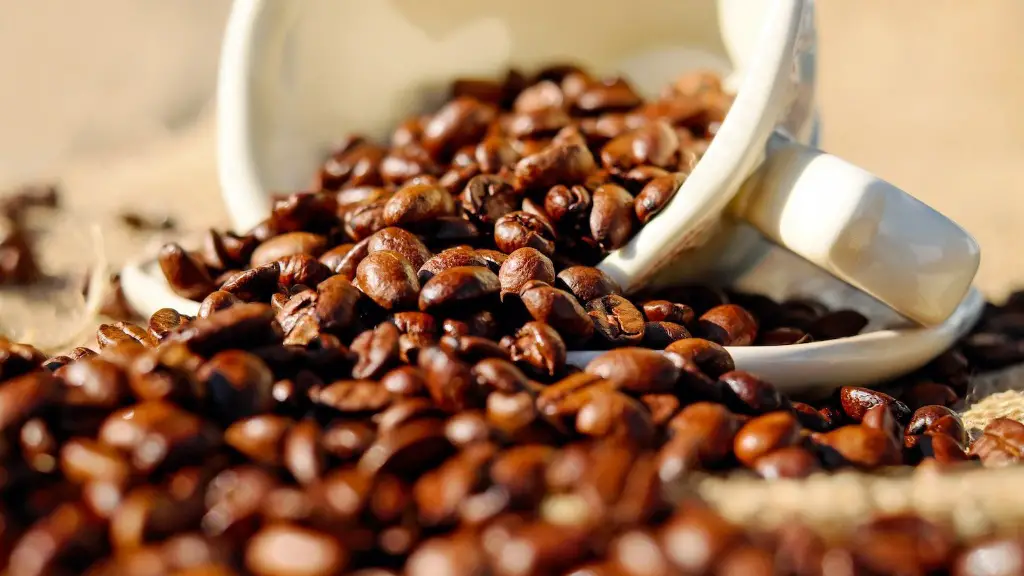
One of the main arguments for those who choose to drink decaf is the fact that it can provide the same kind of pleasure that regular coffee does, without the physical effects and negative side effects of a caffeine buzz. Many people might simply enjoy the taste of coffee been and avoid the energy boost that regular coffee provides. In this case, it might be a better alternative to enjoy decaf coffee in order to relax and enjoy the taste and aromas of coffee, while still avoiding the caffeine-related side effects.
Is decaf coffee the same as water?
It is clear that drinking decaf coffee is not the same as drinking water. Decaffeinated coffee has a unique chemical composition, ranging from small traces of caffeine to other beneficial compounds found in regular coffee. It also has a milder flavor and smoother texture, so it can provide a different drinking experience. However, it can also be considered a healthier alternative, as it contains fewer diterpene cafestol than regular coffee and higher levels of other beneficial compounds.
More importantly, decaf coffee can provide the same kind of pleasure that regular coffee does, without the physical effects and side effects that caffeine can bring. Therefore, it can be argued that it is a better alternative for those who are looking for an enjoyable coffee experience without the unwanted effects of caffeine.
Chemical composition of decaf coffee
The chemical composition of decaf coffee varies from regular coffee, but still contains its fair share of chemical compounds and compounds. Studies have shown that the main compounds present in decaf coffee are trigonelline, chlorogenic acid, and nicotinic acid.
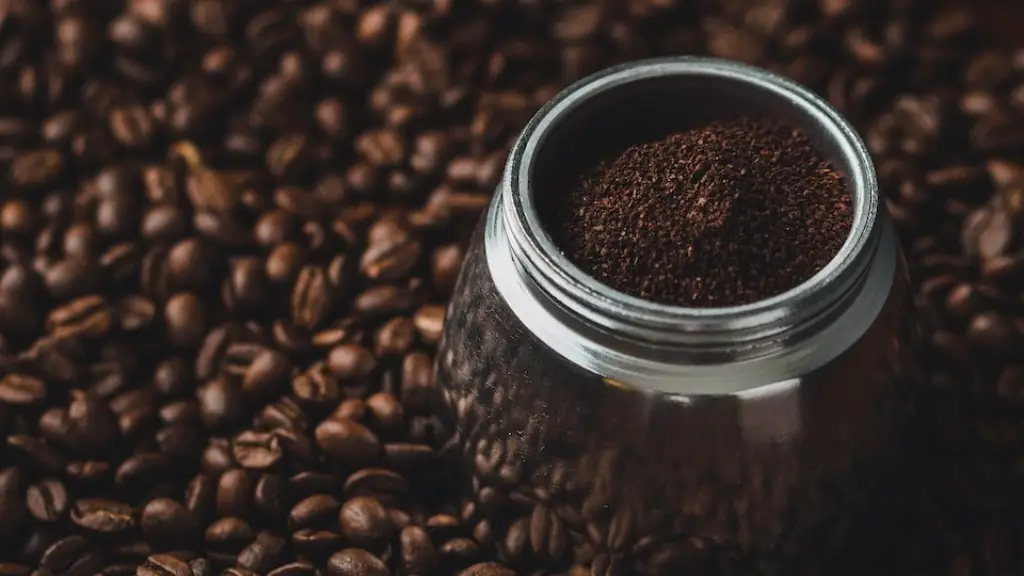
Trigonelline is an alkaloid compound found in plants that is also found in coffee. It is said to have strong antioxidant properties and has also been linked to a reduction in diabetes and other health conditions. Chlorogenic acid is considered to have antihypertensive, antioxidant and anti-diabetic properties, while nicotinic acid is said to have anti-inflammatory, antithrombotic, antiviral and antioxidant properties.
Therefore, decaf coffee still offers various health benefits and properties, even if it still contains small traces of caffeine. Many people see decaf as a form of moderation, as they can still enjoy their favorite cup of coffee while limiting their caffeine intake.
Decaffeination methods
The process of decaffeination is quite complex and can vary significantly depending on the method used. There are three main methods: the water-based process, the carbon dioxide process, and the oil-based process. All of these methods involve the soaking of green coffee beans in a solution before being extracted with certain solvents.
The water-based process involves soaking the beans before steaming them in order to extract the caffeine. The carbon dioxide process consists of soaking the beans and then treating them with carbon dioxide in order to extract the caffeine. The oil-based method involves soaking the beans, extracting the oil-soluble caffeine, and then purifying the extract.

It is important to note that all of these methods can take some time and can have a detrimental effect on the flavor of the beans. Nevertheless, the process remains popular and many people prefer the taste of decaffeinated coffee over regular brewed coffee.
Pros and cons of decaf
Having discussed the chemical composition and decaffeination methods, it is now time to discuss the pros and cons of decaf. In many ways, the pros of decaf are quite clear. First, it can still provide an enjoyable and unique drinking experience without the negative side effects of caffeine. Second, it might also still contain certain beneficial compounds that regular coffee does not have. And finally, it can be a healthier alternative compared to regular coffee, as it has fewer diterpene cafestol and higher levels of other beneficial compounds.
The main con of decaf, however, is that the process of decaffeination can reduce the flavor and aroma of the resulting coffee. Therefore, those who are used to drinking regular brewed coffee might be put off by the taste of decaffeinated coffee. All in all, drinking decaffeinated coffee instead of regular coffee might be beneficial for some people and might even provide a unique and enjoyable drinking experience.
The verdict
In conclusion, drinking decaf coffee is not the same as drinking water, but it can still provide an enjoyable and pleasant drinking experience. It can also be a healthier alternative due to containing fewer diterpene cafestol and higher levels of beneficial compounds. The process of decaffeination can however have a detrimental effect on the flavor of the coffee and can also take more time than regular brewing.
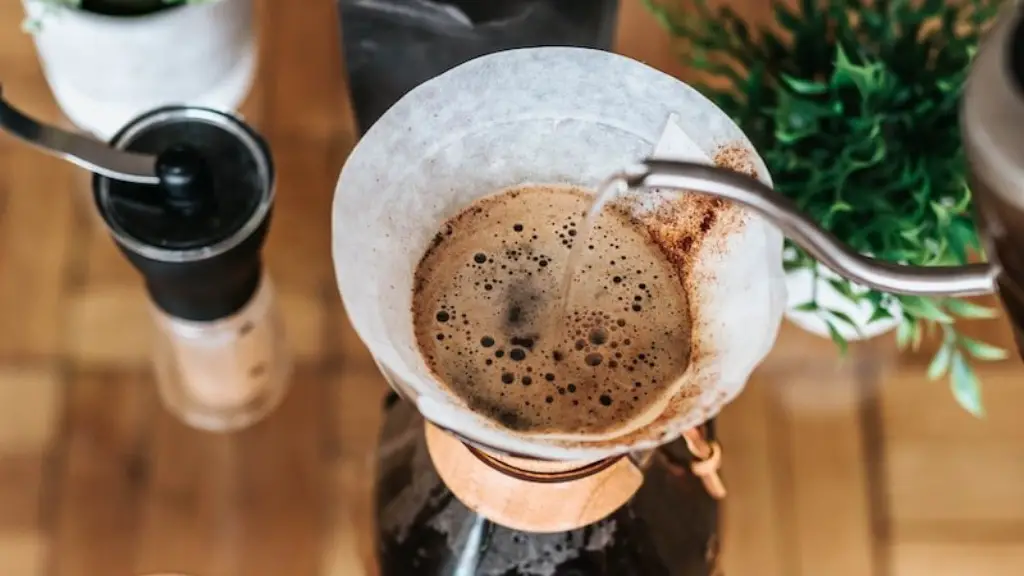
At the same time, decaf can still provide the same kind of pleasure that regular coffee does, without the physical effects and side effects that come with caffeine. Therefore, it might be a better alternative for those who want to enjoy their cup of coffee without the risks associated with caffeine.