Health
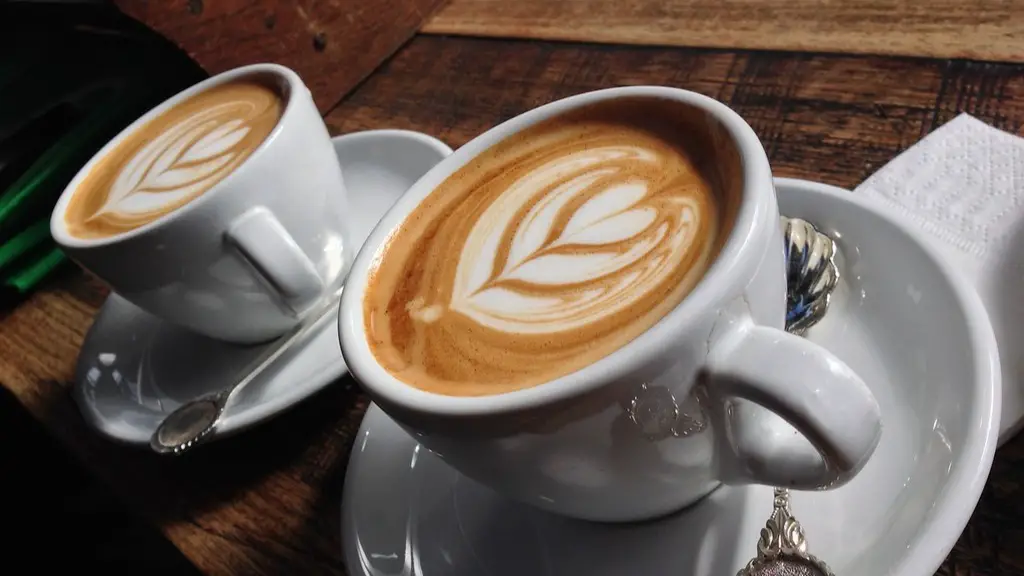
Many people enjoy drinking coffee, but there are people who prefer decaf coffee because they cannot tolerate the high levels of caffeine when they drink regular coffee. But, is it bad to drink a lot of decaf coffee? There are both pros and cons when it comes to drinking decaf coffee and we will explore them both here.
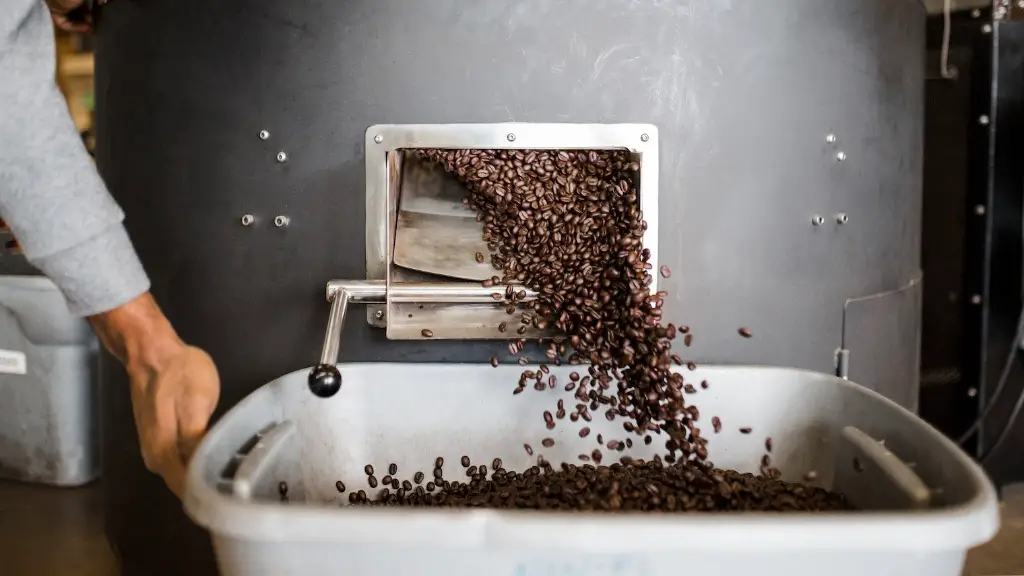
Decaf coffee is made by steaming and then adding a type of chemical to the green beans, which eventually removes the caffeine from the beans. The process of removing caffeine from the beans can leave traces of chemicals present in the decaf coffee, though it’s been estimated that the typical cup of decaf coffee contains about 3 milligrams of caffeine, compared to the average cup of caffeinated coffee which contains 100 milligrams of caffeine.
The Benefits
One benefit of drinking decaf coffee is that it’s a lower source of caffeine than regular coffee, which makes it easier to consume in larger amounts. For those who need a caffeine boost but can’t tolerate a lot of caffeine, decaf coffee is a viable option. It can also be helpful for those people who are looking to limit the amount of caffeine intake.
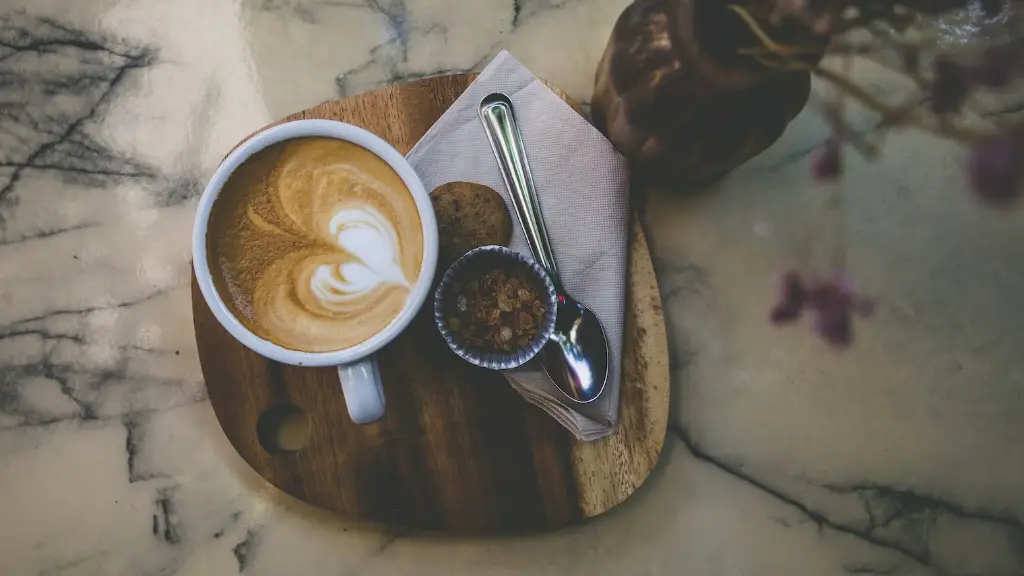
Decaf coffee is also a great choice for people who suffer from certain medical conditions or take certain medications. Because the caffeine content in decaf coffee is lower, it’s not as likely to cause any adverse reactions or interfere with certain medications. This means that it can be consumed without any risk of experiencing unwanted side effects from the caffeine.
Another benefit of drinking decaf coffee is that it’s still a great source of antioxidants. Though the process of removing caffeine may reduce the amount of antioxidants that are present, they are still present in decaf coffee in lesser amounts. As a result, decaf coffee can still offer some benefits that come with drinking regular coffee, such as increased energy and improved cognitive function.
The Potential Risks
While decaf coffee can be beneficial, it’s important to remember that it still contains some levels of caffeine. Consequently, there’s the potential that drinking too much decaf coffee can lead to caffeine-related side effects, such as anxiety and insomnia. Therefore, it’s important to limit the amount of decaf coffee you consume to avoid these adverse reactions.
It’s also important to note that the process of removing the caffeine from the beans involves the use of chemicals. Some studies have suggested that the chemicals used in the decaffeination process can be potentially harmful and it’s important to research the source of your decaf coffee to be sure that it’s using safe and non-toxic chemicals.
Finally, it’s important to remember that decaf coffee is usually more bitter than regular coffee and some people may find it to be unpalatable. If this is the case, it’s best to stick with regular coffee and limit your intake to avoid any potential adverse reactions.
Conclusion
In conclusion, it’s not bad to drink a lot of decaf coffee, but it’s important to remember that it still contains some levels of caffeine and that it can potentially lead to some adverse reactions when consumed in high amounts. Therefore, it’s important to drink in moderation and research the source of your decaf coffee to make sure that it’s using safe and non-toxic chemicals.
Nutrition
Decaf coffee is still a source of antioxidants, vitamins, and minerals, although in lesser amounts than regular coffee. Those who drink decaf coffee can still get some health benefits, such as enhanced mood, improved concentration, and increased energy levels. In addition, decaf coffee can also provide some health benefits, such as reducing the risk of stroke, heart disease, and diabetes.
For those who are looking to lose weight, decaf coffee may also be a viable option. Because it doesn’t contain any calories, it can be used as a way to stay hydrated while still getting a boost of energy. In addition, it may also help to control appetite, which can be beneficial for those who are trying to lose weight.
Moreover, drinking decaf coffee can also be helpful for those who are trying to improve their mental health. Studies have found that the antioxidants and other compounds found in decaf coffee can help to reduce the risk of depression and improve overall mood.
Flavor
When it comes to taste and flavor, it is generally argued that decaf coffee lacks the full flavor of regular coffee. However, this difference can often be attributed to the quality of the beans used in the decaffeination process.
Fortunately, the quality of decaf coffee beans has improved in recent years, which has led to more flavorful options. In addition, many coffee shops now offer customizable decaf coffee options, allowing drinkers to experiment with different flavor profiles to find their perfect decaf coffee.
Finally, it’s important to note that while decaf coffee may lack some of the flavor of regular coffee, it still contains the same essential oils and compounds, resulting in a slightly different, but still enjoyable, cup of coffee.
Caffeine Content
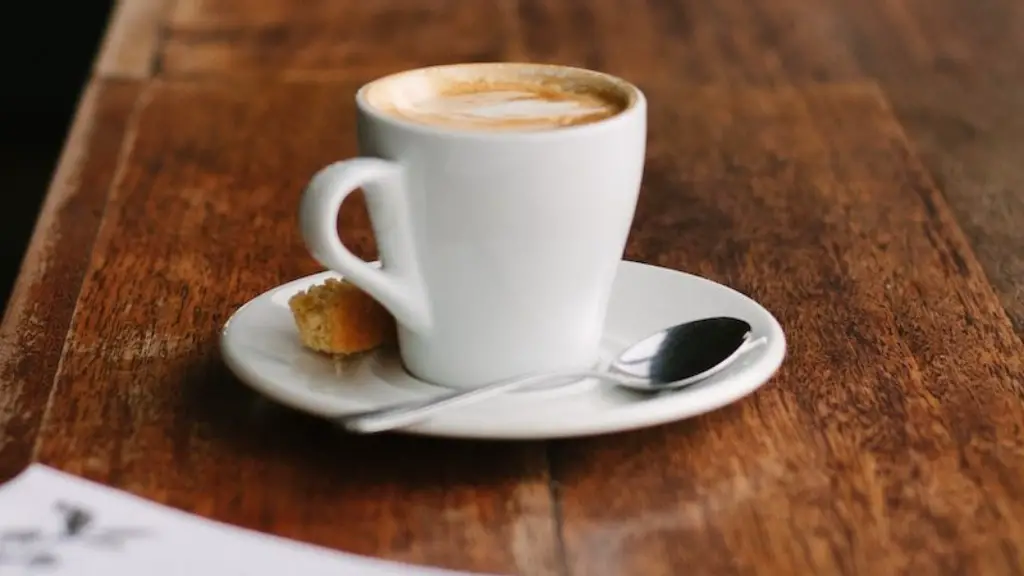
Though decaf coffee contains less caffeine than regular coffee, the exact amount of caffeine can vary greatly depending on the type of beans used and the method of decaffeination. Generally speaking, the average cup of decaf coffee contains about 3 milligrams of caffeine, compared to the average cup of caffeinated coffee which contains 100 milligrams of caffeine.
The caffeine content of decaf coffee may also be affected by the brewing method used. For instance, a French press yields more caffeine than a pour-over method, which makes it important to pay attention to the brewing method used when drinking decaf coffee.
Additionally, it’s important to note that many decaf coffees contain trace amounts of caffeine, which may be enough to cause an adverse reaction in those who are sensitive to caffeine. Therefore, it’s best to read the label and opt for a decaf coffee that contains little to no caffeine.
Brewing
Decaf coffee can be brewed using the same techniques as regular coffee. However, it’s important to note that the lower level of caffeine in decaf coffee means that it takes longer for the beans to fully extract the flavor and aroma.
For this reason, it’s important to adjust the brew time and temperature when brewing decaf coffee to ensure that the maximum flavor and aroma is extracted from the beans. Additionally, it’s a good idea to use a fresh and high-quality decaf coffee to ensure that the flavor is not compromised.
Finally, it’s important to remember that the grinding of decaf coffee beans is also slightly different than regular coffee. It’s best to use a slightly finer grind to ensure that the coffee is fully extracted and that the flavor is not compromised.
