
Background Information
Coffee is a popular drink consumed by billions of people around the world. Its main active ingredient, caffeine, affects the body in various ways, from heightening alertness to helping with concentration. However, there is debate as to whether drinking coffee immediately after a workout is good or bad for the body.
Expert Perspectives

According to some fitness experts, drinking coffee after a workout can help to improve post-workout recovery. Caffeine can help to reduce the pain and soreness that commonly follows strenuous exercise. It is thought that caffeine works by blocking the neurotransmitters in the brain that trigger the sensation of pain or soreness. A recent study conducted at the University of Granada found that drinking coffee after a workout can lead to a quicker recovery time and improved performance in the next training session.
However, some nutritionists and dietitians take a more precautionary approach and advise against drinking coffee post-workout. They argue that coffee has diuretic properties which can lead to increased fluid loss, resulting in dehydration. Dehydration is known to impair physical performance and reduce the body’s ability to recover post-workout.
In addition, many experts argue that drinking coffee immediately after a workout can interfere with the body’s natural metabolic processes. This is because caffeine affects the body’s ability to absorb and metabolize key nutrients, such as carbohydrates, from the food we eat after exercising. Without the proper raw materials, the body cannot effectively repair itself or recover from the stresses of physical activity.
Own Insights and Analysis
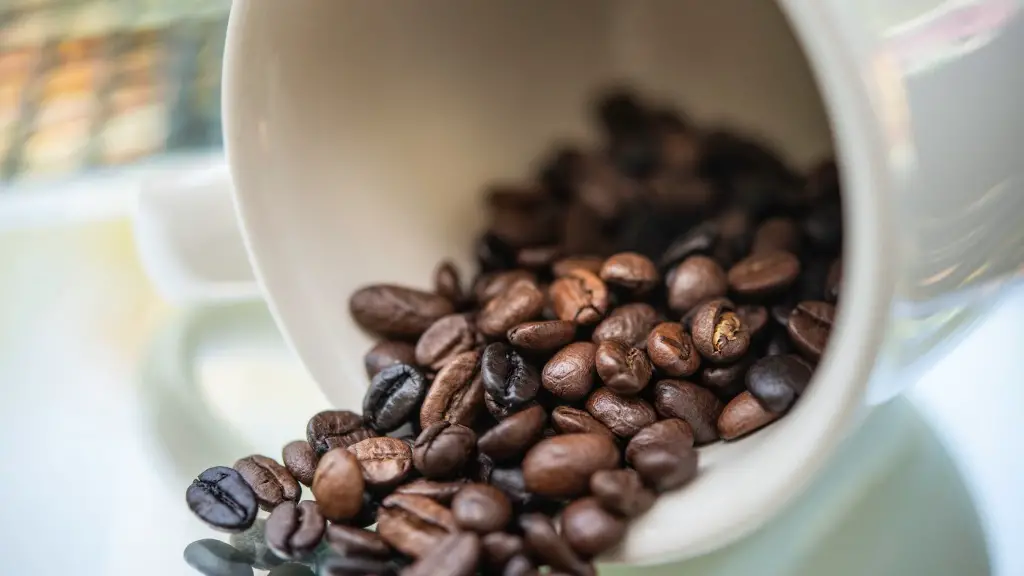
It is clear that drinking coffee after a workout can have both positive and negative effects. However, when deciding whether or not to drink coffee after exercise, it is important to consider the intensity of the workout and the individual’s sensitivity to caffeine. Those who are highly sensitive to caffeine’s effects should limit their intake after physical activity and opt for other recovery drinks such as fruit-infused water or herbal tea.
On the other hand, those who are accustomed to drinking coffee regularly may be able to benefit from drinking a cup post-workout. Even so, coffee should be consumed in moderation, as too much caffeine can lead to dehydration, nausea and nervousness, all of which can impair physical performance.
Sleep Quality
Caffeine is known to disrupt sleep quality, which directly affects physical performance in the gym. Several studies have shown that consuming coffee, or other caffeinated drinks, later in the day can lead to longer sleeping times and poorer sleep quality, potentially leading to fatigue the following day and a lack of energy during a workout.
Therefore, drinking coffee post-workout is not recommended for those who are looking to get an adequate night’s sleep. For those who insist on drinking coffee late in the day, consuming it at least six hours before bedtime is advised.
Alternatives to Coffee
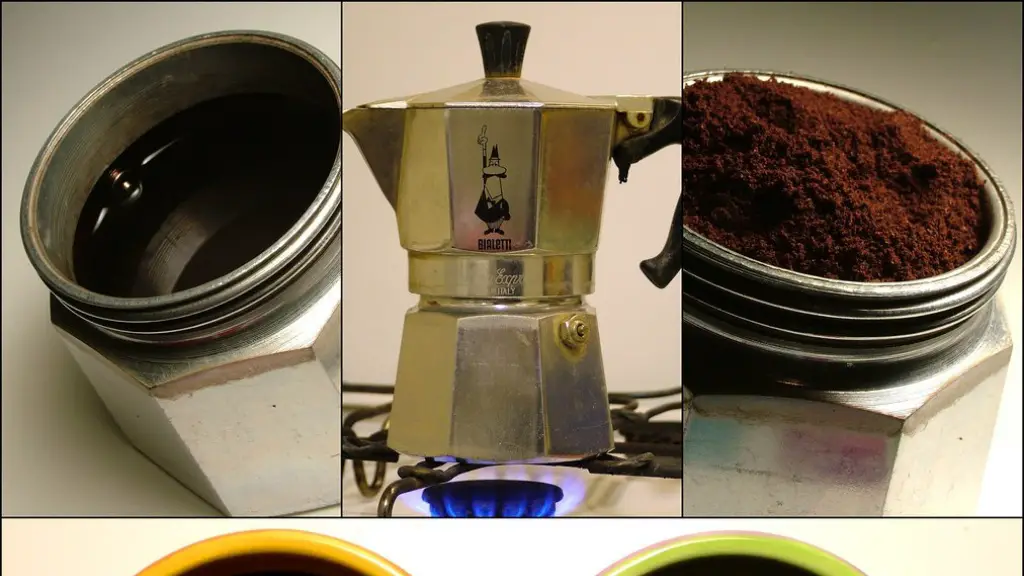
There are several alternatives to coffee that can be enjoyed post-workout. Green tea contains antioxidants that help to reduce inflammation, while some research suggests that it can also promote fat burning during exercise. Coconut water is also a great post-workout drink, as it helps to replace lost electrolytes, while chamomile tea has been shown to reduce muscle soreness and aid restful sleep.
If you’re looking for something a bit more indulgent, adding a dash of almond or coconut milk to your cup of green or herbal tea can create a delicious and refreshing post-workout treat.
Post-Workout Nutrition
Nutrition is key when it comes to post-workout recovery and performance. Eating a meal or snack high in protein immediately after exercise helps to replenish the body’s stores of amino acids, which are the building blocks of muscle. Consuming adequate carbohydrates post-workout helps to replenish lost glycogen stores and restore the body’s energy levels.
In addition, eating plenty of colorful fruits and vegetables helps to restore the body’s vitamin and mineral deficiencies, reduce inflammation and rebuild worn-down muscle fibers.
Exercise Selection

Choosing the right type of activity after a workout is also important. Activities such as lateral band walks, planks and foam rolling can help the body to recover from a strenuous session. They ensure that the body maintains its correct posture, which is important for reducing fatigue and injury. Moreover, these activities require little to no force, meaning that exercising after a workout does not have to be a strenuous or time-consuming affair.
Furthermore, leisure activities such as walking, swimming and yoga can also be beneficial post-workout. These activities help to loosen up the muscles and reduce tension and tightness, which can help to speed up recovery and avoid any lasting damage.
Hydration
Finally, hydration is essential after a workout. Rehydrating the body helps to replenish the minerals and electrolytes lost during exercise, while it can also help to prevent dehydration and the resulting fatigue and lack of energy.
Drinking at least eight 8-ounce glasses of water throughout the day is recommended, and this should be increased depending on the duration and intensity of the workout. Those with a sweet tooth might decide to add a pinch of sea salt or a splash of fresh fruit juice to their glass.