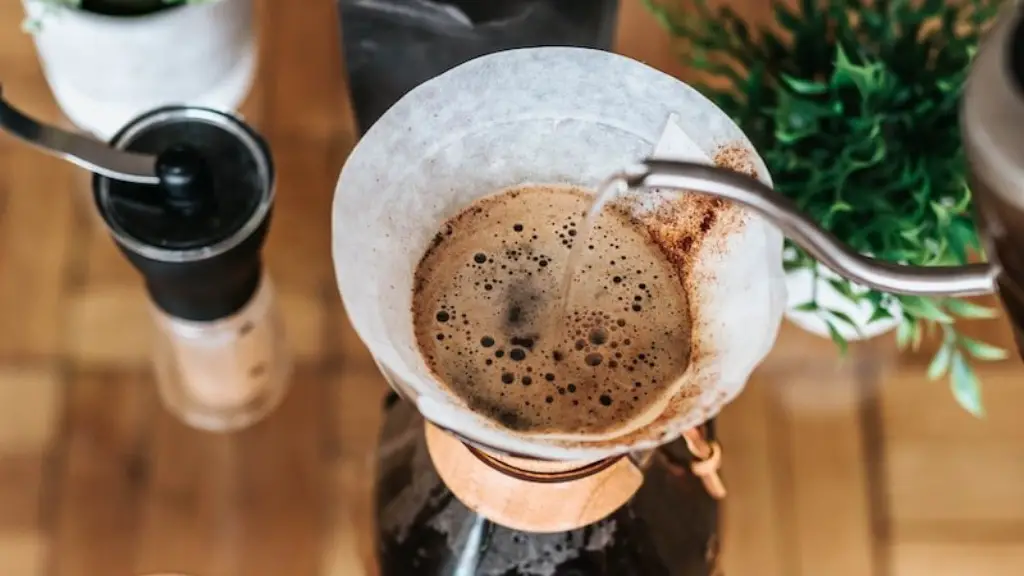
Coffee is one of the most popular drinks in the world, but is it safe to drink while breastfeeding? A lot of moms think so, but some health professionals have cautioned that caffeine can remain in breast milk and even get into the bloodstream of a developing baby.
To understand the real risks associated with drinking coffee while breastfeeding, it’s important to look at both the short-term and long-term effects of caffeine. Studies have shown that the amount of caffeine that transfers from the mother’s bloodstream through the breastmilk is small, and there is no reliable evidence linking moderate caffeine intake while breastfeeding with any adverse effects.1
However, a mother’s caffeine intake can affect the taste and smell of her breastmilk and may make her baby fussy and irritable. Babies may also feed more often than normal as a result, which could mean a disruption to their regular sleeping cycles. Similarly, drinking coffee in excess while breastfeeding can put the baby at a higher risk of developing iron deficiency anemia.2
Given that the benefits of breastfeeding far outweigh the risks of consuming moderate amounts of caffeine, it’s generally accepted that it’s safe for a nursing mother to drink occasional cups of coffee. However, drinking more than two cups of coffee every day for an extended amount of time could be potentially detrimental to the baby’s health.
It’s essential to be aware of the potential risks associated with drinking coffee while breastfeeding and to err on the side of caution. Doctors generally advise nursing mothers to limit their caffeine intake to 200 milligrams per day, which is equivalent to two 8-ounce cups of coffee.
How Can I Reduce My Caffeine Intake?
If you’re looking to reduce your caffeine intake, the most straightforward option is to gradually switch from drinking regular coffee to decaf varieties, as it typically contains only small amounts of caffeine. It can also be helpful to track your caffeine intake throughout the day by noting down each drink and its related caffeine content, so you can keep an eye on your overall intake.
Another way to reduce your caffeine intake is to opt for herbal teas, which are naturally caffeine-free, or swap out your regular coffee for cocoa or chai lattes. Both these options provide the same enjoyable experience without the effects of caffeine. Finally, be sure to stay well hydrated in order to flush the effects of caffeine quickly from your body.
Caffeine In Other Foods and Drinks

Caffeine is also present in many items such as chocolate, energy drinks, and certain medications. Although some of these foods or drinks may contain less caffeine than coffee, they could still end up in the mother’s milk and can potentially be harmful to the baby. Therefore, mothers who are breastfeeding should be aware of all the sources of caffeine that they consume and keep an eye on their intake.
As a general rule, it’s best to err on the side of caution and limit your caffeine intake, particularly if you’re nursing. While occasional cups of coffee may be okay, it’s important to note that every baby is different and reacts differently to caffeine, so it’s safest to limit your intake to the recommended level.
Dietary Alternatives
If you’re a breastfeeding mother and are looking for a way to reduce your consumption of coffee, one simple solution is to try drinking other beverages such as non-caffeinated herbal teas. There are many different varieties of herbal tea that not only provide a delicious and warming drink, but also contain a range of natural health benefits ranging from calming and soothing to energizing and revitalizing.
Drinking these herbal teas can also be a great way to get your daily dose of fluids, as well as getting some much-needed rest. Keeping your fluids up while breastfeeding is essential, so it’s important to ensure that you’re drinking enough water, as well as herbal teas that are fortified with minerals and vitamins.
Maintaining a Healthy Lifestyle

Coffee isn’t just a tasty talisman against fatigue, it’s also a source of valuable nutrients, antioxidants, and minerals. It’s important that breastfeeding mothers maintain a healthy lifestyle and get the essential vitamins and minerals they need to support their health and the health of their baby. Following a healthy diet, getting regular exercise, and getting enough rest, are all important factors in ensuring that mothers remain as healthy as possible while breastfeeding.
Ensuring that you have a balanced diet and avoiding excessive amounts of caffeine and other stimulants can help to keep your energy levels up, and your baby healthy. In addition, cutting down on processed and sugary foods, and replacing them with fresh fruits and vegetables, is another simple way to help support the health of the mother and baby.
What To Do If You’re Sensitive To Caffeine?
Although there are no reliable studies linking large amounts of caffeine intake to any adverse reactions in a breastfeeding baby, some babies still may show signs of sensitivity to caffeine. In such cases, it may be necessary to avoid drinking coffee while breastfeeding, or to limit one’s caffeine intake considerably.
If a breastfeeding mother experiences this type of sensitivity, she should speak to a doctor or lactation consultant to get advice on how to manage her caffeine intake and what other strategies she can adopt to make sure her baby is getting adequate nutrition. It’s also important to understand that the effects of caffeine can vary significantly from baby to baby, so it’s best to take a cautious approach when it comes to caffeine and breastfeeding.
Conclusion

Overall, the research suggests that it’s safe to drink coffee while breastfeeding as long as the caffeine intake is kept to reasonable levels. However, it’s important to remember that all babies are different, and some may be more sensitive to caffeine than others. As such, it’s important for mothers to be aware of the potential risks associated with drinking too much coffee while breastfeeding, and to look for alternative sources of nutrition if they’re concerned about their caffeine intake.
