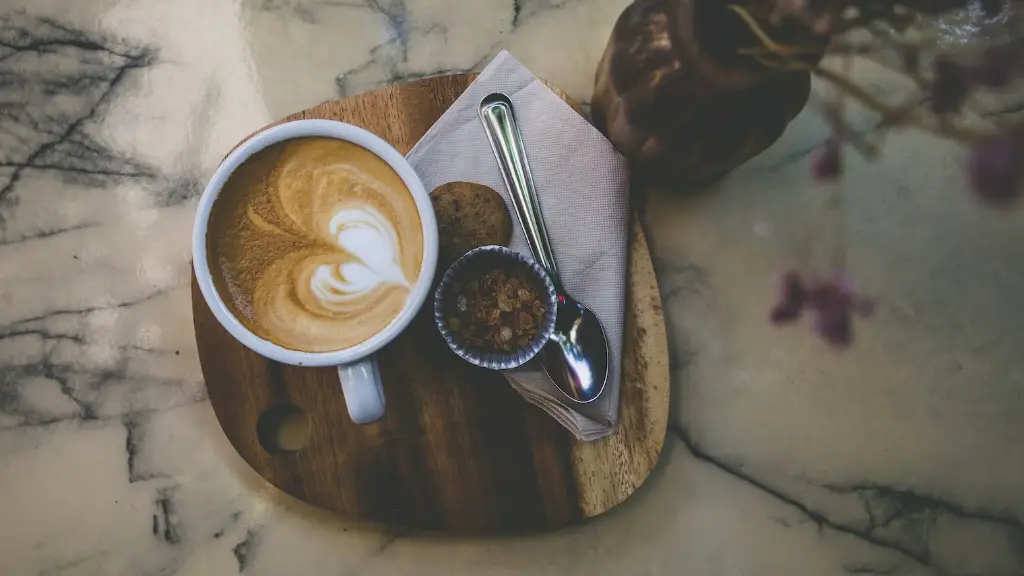
Coffee is one of the most popular drinks in the world, and many people enjoy a cup of coffee after a night of drinking alcohol. But is it safe to drink coffee after alcohol? Before delving into that question, let us first look at how coffee and alcohol interact with the body.
Caffeine is a stimulant that is found in coffee, and it has the effect of increasing alertness, improving concentration, and providing an energy boost, even after a night of drinking alcohol. However, because caffeine is a stimulant, it can also mask some of the adverse effects of drinking alcohol, such as dizziness, drowsiness, confusion, and difficulty with coordination. This can lead to people drinking more than they should and becoming even more impaired.
Alcohol is a depressant and can slow down the body’s reactions, leading to tiredness, drowsiness and a feeling of mental confusion. The effects of alcohol can also remain in the body for hours after a night of drinking, so it is important to be aware of how both caffeine and alcohol interact with the body. If someone has had a few drinks and then decides to drink coffee, their reaction time and coordination could be further impaired.

Experts recommend that the best practice is to avoid drinking coffee after drinking alcohol. Some research suggests that drinking coffee after alcohol can increase the chances of getting a hangover. Drinking coffee also has the potential to dehydrate the body, which can worsen the effects of a hangover. It is also important to be aware that some coffees contain added sugar and artificial sweeteners, both of which can contribute to a bad hangover.
In short, it is not recommended to drink coffee after alcohol. Instead, it is best to wait until the alcohol is out of the system before drinking coffee. This will help ensure that the body can metabolize the alcohol safely and that the effects of drinking alcohol are not masked by the caffeine in coffee.
How does coffee affect sleeping patterns?
Coffee is a stimulant, which means it can interfere with a person’s natural sleeping patterns. Although it can provide an energy boost and improve focus, coffee can lead to difficulty sleeping later at night. It is common knowledge that drinking coffee late in the evening can cause difficulty sleeping, and the same can be true if coffee is taken after alcohol.
Studies have found that coffee consumption late in the evening can lead to increased wakefulness during the course of the night, as well as increased feelings of fatigue during the following day. Drinking alcohol can also disrupt sleeping patterns and lead to restless nights, so if coffee is consumed after drinking alcohol, these two stimulants can interact and make it even more difficult to get a good night’s sleep.
For this reason, it is best to avoid drinking coffee after alcohol, as this can lead to more disrupted sleeping patterns and increased fatigue during the following day. Instead, it is a good idea to opt for non-caffeinated drinks such as herbal teas, water, or a non-alcoholic soda.
The effects of drinking coffee on alcohol tolerance
Drinking coffee after drinking alcohol can also affect a person’s alcohol tolerance. Alcohol is a depressant, and caffeine is a stimulant, so when the two are combined, there is a risk that the stimulant effects of the caffeine will mask the depressant effects of the alcohol.
This can lead to people drinking more than they should and having a higher tolerance for alcohol, as the caffeine is masking how drunk they actually are. It is important to be aware of this, as it can lead to people drinking more than they should and becoming even more impaired. It can also lead to increased feelings of fatigue the next day.
Overall, it is best to avoid drinking coffee after alcohol. Although coffee can provide an energy boost and improve focus, it can also worsen the effects of alcohol and make it harder to get a good night’s sleep. Lastly, the stimulant effects of coffee can mask the depressant effects of alcohol, which can lead to people drinking more than they should.
How is caffeine metabolized?
The body metabolizes caffeine at a much slower rate than alcohol, so when someone drinks coffee after drinking alcohol, there is a chance that the effects of the caffeine will still be present when the effects of the alcohol have worn off. This can lead to a jittery feeling, difficulty sleeping, and an overall feeling of being over-stimulated.
It is best to wait a few hours after drinking alcohol before drinking coffee, as this will ensure that the body can metabolize the alcohol before the caffeine kicks in. This will help avoid the above mentioned effects, as well as reduce the risk of dehydration and other negative consequences.
How much coffee should be consumed after drinking?
The amount of coffee consumed after drinking alcohol will depend on the individual and their tolerance levels, as well as their overall health. If someone has had a few drinks, it is best to avoid drinking coffee altogether or to consume a small amount of decaffeinated coffee. Drinkers should also be aware of added sugar and artificial sweeteners, as these can contribute to a bad hangover.
It is best to consult a doctor or healthcare professional before drinking coffee after alcohol, as they can provide personalized advice and guidance. They may also prescribe certain medications or supplements to reduce the possibility of a hangover or other adverse effects.
Adequate hydration
It is also important to stay hydrated when drinking coffee after alcohol. Both alcohol and coffee can have a dehydrating effect on the body, so it is important to make sure that one is drinking enough fluids. Water is the best option for hydration, but some experts also recommend electrolyte drinks for more rapid rehydration.
It is also important to note that dehydration can make hangovers worse, so if someone has been drinking alcohol, they may want to opt for water or an electrolyte drink instead of coffee. They should also drink plenty of fluids throughout the day to stay hydrated.
Tips for those who choose to consume coffee after drinking
If someone chooses to drink coffee after drinking alcohol, there are a few things they can do to reduce the risk of adverse effects. Firstly, it is important to drink water or an electrolyte drink in order to stay hydrated. Secondly, it is best to opt for decaffeinated coffee or a light roast, as these will have a lower caffeine content. Lastly, it is important to drink coffee in moderation and to not drink too much.
Overall, it is not recommended to drink coffee after drinking alcohol. Caffeine can mask the effects of alcohol, leading to people drinking more than they should, and it can also exacerbate the effects of a hangover. For these reasons, it is best to wait until the alcohol has been metabolized before drinking coffee.
