As the caffeine in coffee can be beneficial to some and detrimental to others, it’s difficult to answer the question “Is it ok to drink coffee after eating?” The answer is that it depends on a variety of factors, such as age, health, caffeine tolerance, and lifestyle. However, this article seeks to provide an objective and thorough look at the pros and cons of drinking coffee after eating.
For some people, the energy boost from drinking coffee is a welcome relief after eating a heavy meal. The boost can help to clear the mind and jump start the day. Coffee has been known to aid digestion and can help individuals with digestive issues. Coffee is also an antioxidant, which means it can counter the oxidative damage caused by consuming a large meal.
On the other hand, there are some downsides to drinking coffee after eating. The primary concern is that caffeine in coffee can increase acidity levels in the stomach and thereby cause discomfort. This can lead to heartburn, indigestion, and stomach pain. Additionally, drinking too much coffee can affect blood sugar levels, leading to higher levels of glucose in the blood and increased risk of developing Type 2 diabetes. Coffee can also interfere with the absorption of certain nutrients, such as iron and calcium.
Nutritionists typically recommend avoiding coffee or sugary drinks between meals and instead opting for a glass of plain water. This can help to maintain optimum levels of hydration and flush away any unwanted food particles. Additionally, cold-pressed juices, herbal teas, smoothies and coconut water can provide a nutritious boost without overloading the body with caffeine.
When deciding whether drinking coffee after eating is ok, it is best to consult a healthcare professional or nutritionist. They will be able to provide personalized advice based on a person’s individual health needs. Depending on the individual’s current health and lifestyle, a nutritionist can tailor a meal or snack plan, balancing caffeine intake and regulating blood sugar levels. In addition to nutrition, exercise and stress relief techniques can help to promote overall well being.
Caffeine Tolerance
Caffeine tolerance is also a factor when it comes to weighing up the pros and cons of drinking coffee after eating. If a person is not particularly tolerant of caffeine, it can have negative effects on their health. Caffeine can lead to increased heart rate, elevated blood pressure, anxiety and irritability. Additionally, drinking too much coffee after a large meal can reduce the absorption of vital nutrients.
A good rule of thumb is to not exceed 400 mg of caffeine a day. This is roughly equal to 4 cups of coffee. To minimize the risk of adverse effects, it is best to avoid drinking coffee within 2-3 hours after eating a big meal. Instead, opt for herbal teas or lightly caffeinated beverages such as green tea.
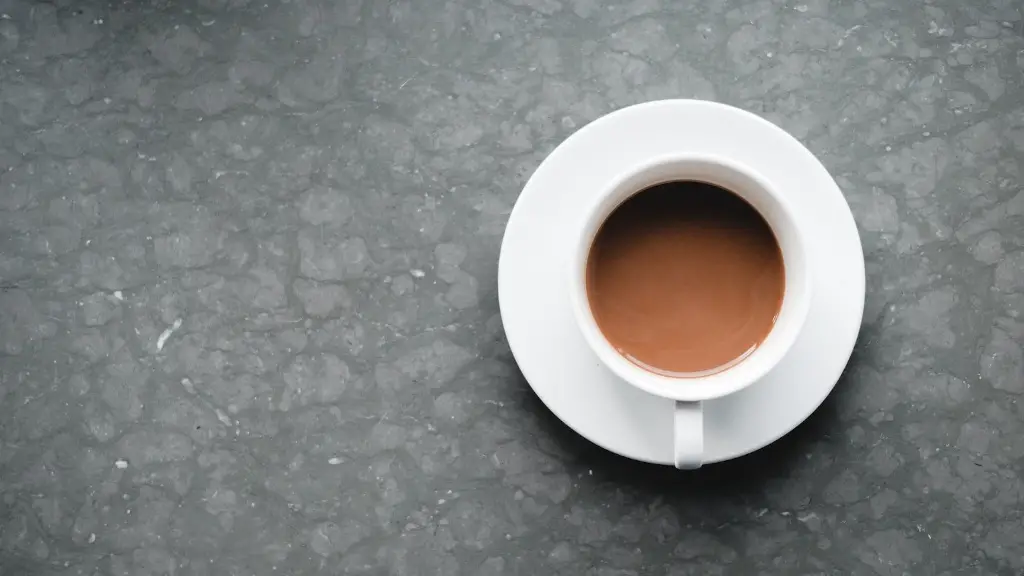
For those who can tolerate caffeine, drinking a cup of coffee shortly after a meal can help to reduce the digestive load and inflammation caused by a heavy meal. It can also provide an energy boost and help to clear the mind. For example, some studies suggest that drinking one cup of coffee after a meal can help to decrease bloating and discomfort associated with a large meal.
Production and Quality of Coffee
Aside from concerns about caffeine tolerance and digestion, it is also important to consider the source and quality of coffee when deciding if drinking coffee after eating is recommended. Many mass-produced coffee brands contain high levels of preservatives, sugar, flavorings and potentially unsafe chemicals. To make sure the coffee is safe and healthy, it is best to opt for organic, ethically sourced coffee.
Organically grown coffee is usually free from pesticides and other potentially harmful chemicals. Additionally, organic coffee is better for the environment as it is grown without the use of harmful chemical fertilizers. Furthermore, ethically sourced coffee ensures that workers are not subjected to exploitation or unfair wages.
For those who do not like the taste of coffee, other options might be better suited. Cold-pressed juices, herbal teas and matcha lattes are all excellent alternatives and may provide more potent health benefits than coffee. Herbal teas in particular can be a great way to rehydrate and replenish minerals after eating.
Coffee Alternatives

For individuals who want to avoid the dangers of coffee and caffeine, there are a variety of alternatives. Decaf coffee is one option, but this does not completely remove the risks associated with caffeine. However, non-caffeinated beverages such as smoothies, herbal teas, kombucha, wheatgrass and matcha can provide a detailed and balanced energy boost without any of the risks.
Smoothies made from fruits, vegetables and plant-based proteins are an excellent way to get a nutrient-packed snack or meal after eating. Likewise, wheatgrass and kombucha can provide a powerful health boost and help to balance out acidity levels in the gut. On the other hand, matcha lattes made from green tea powder are rich in antioxidants and are better suited for those who do not di likes the taste of coffee.
Beneficial Effects of Coffee
Most people experience positive health benefits from drinking coffee, although it is important to consider individual health conditions and lifestyle. As well as providing a short-term energy boost and aiding digestion, coffee can also provide long-term benefits. Regular consumption of coffee can reduce the risk of certain types of cancer, Parkinson’s and Alzheimer’s diseases. Additionally, moderate consumption can improve emotional and mental health, as well as contribute to healthier teeth and bones.
Many studies suggest that drinking coffee can have positive effects on cardiovascular health and may lower the risk of developing cardiovascular diseases. Coffee consumption can also reduce inflammation, which can help to protect against chronic diseases and autoimmune disorders. In addition to the physical benefits, drinking coffee has also been associated with improved cognitive performance and better decision-making skills.
Conclusion
Ultimately, the decision to drink coffee after eating depends on individual health and lifestyle. In the short-term, moderate consumption can be beneficial and provide an energy boost. However, drinking too much coffee and consuming poor quality brands can increase the risk of negative health effects. Therefore, it is best to consult a healthcare professional or nutritionist to understand the risks associated with drinking coffee and receive personalized advice.
