
Coffee in Early Pregnancy
As the American Pregnancy Association states, half of all women who are pregnant in the United States are regular coffee drinkers. It is also known that caffeinated beverages can cross the placenta to the fetus and high consumption levels can lead to several issues.
For this reason, there is debate about the consumption of coffee in early pregnancy. While the general advice is to limit caffeine intake, the following query needs to be answered – Is drinking coffee in the first trimester of pregnancy considered to be safe for the unborn baby?
The answer is nuanced and depends on a few factors, the most important of which is the amount and type of coffee being consumed. While moderate coffee drinking, defined as up to 200 milligrams of caffeine a day, is considered safe by some experts such as the American College of Obstetricians and Gynecologists, others would prefer pregnant women to abstain from any type of caffeine intake.
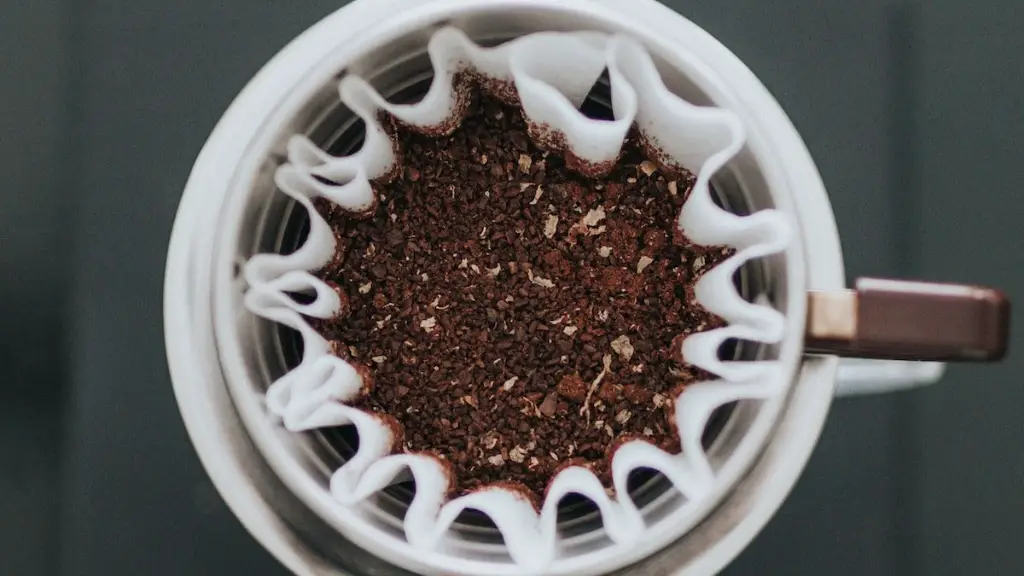
A 2017 study, published in the American Journal of Obstetrics and Gynecology, found that women who consumed over 200 milligrams per day during the first trimester had twice the risk of having an early miscarriage in comparison to women with low or no caffeine intake. However, the same study revealed that women who consumed up to 200 milligrams per day did not have a significantly higher risk of miscarrying.
This implies that pregnant women should aim to avoid consuming too much caffeine and instead look for other alternative beverages as part of their daily diet. It should also be noted that the type of coffee matters and a 2016 study published in BMJ Open further suggested that certain caffeinated, decaffeinated and herbal brands of brewed coffee might contain forms of mycotoxins which may be linked to the occurrence of birth defects.
Ultimately the decision of whether to drink coffee in early pregnancy should be made after discussing with the expecting mum’s doctor. There are a few guidelines that can be used in the meantime if the person wants to partake in coffee drinking.
- Try cutting down on the amount of coffee taken and switch to decaf coffee.
- Substitute coffee with caffeine-free alternatives such as green tea, chamomile tea or even milk.
- Look for coffee that has been certified as free from harmful mycotoxins.
Caffeine Intake During Pregnancy
Caffeine is a central nervous system stimulant and its effects are linked to how much a person consumes. During early pregnancy, as the hormones and body chemistry changes, the body is readjusting.

Experts say that pregnant women should consume no more than 200 milligrams of caffeine per day – the equivalent of one cup of coffee. Ideally lesser than that is preferable. There is still research going on in the area and this recommended safe limit of caffeine intake can vary from doctor to doctor.
At many points during the course of pregnancy, the body can be overly sensitive or even overwhelmed. Since it is still too early to know if anything will go wrong with the pregnancy, it is best to keep caffeine consumption under 200 milligrams. This will give the fetus the best chance of growing and developing into a healthy baby.
In addition to this, pregnant women should pay attention to the quality of the coffee they consume – skipping those with high levels of mycotoxins. Additionally, they can opt for decaffeinated or other caffeine-free options instead of relying on a cup of coffee to keep them energized and active.
The Impact of Caffeine During Pregnancy
Although a certain amount of caffeine may be safe for consumption during pregnancy, some cases may be more serious. There are cases where consuming just 200 milligrams of caffeine per day can lead to complications such as an increased risk of pre-term labor or even a miscarriage.

Apart from the physical effects, there are also mental and emotional effects of excess caffeine intake. According to Dr. Jen R. Thomas, an American obstetrician-gynecologists, over consumption of caffeine can lead to feelings of restlessness and anxiety in pregnant women. This can be debilitating and can hinder a healthy mindset for the expecting mum.
Furthermore, the consumption of large amounts of caffeine has been linked to a higher risk of gestational diabetes. A study published in the journal Sleep also suggested that pregnant women who consumed over 50 milligrams of caffeine per day had more likelihood of preterm delivery.
This means that pregnant women should strive to cut down on their caffeine intake. While it is still acceptable to indulge in some coffee during the course of pregnancy, it should be done in moderation.
Coffee Alternatives While Pregnant
For pregnant women who are looking for an alternative to coffee, there are a few options. One of the main alternatives is herbal tea, which is caffeine-free and could provide expecting mum with the hydration they need. Additionally, some of these teas can even give beneficial nutrients such as magnesium, potassium and vitamin C.

Hot chocolate is also a great alternative as it still has caffeine but in lesser amounts than coffee. Coconut water is great for staying hydrated and for replenishing electrolytes. Oatmeal is an excellent breakfast choice as it provides the added much needed calcium to the diet.
For pregnant women who still want to indulge in coffee, there are some options. Decaf coffee, espresso and cold drinks are great alternatives. Additionally, there are also capsules of concentrated coffee drink, which can provide a potent punch of caffeine without a significant risk of too much intake.
Considerations for Pregnant Moms
Pregnant women should avoid making decisions about their caffeine intake without consulting with their doctors. Depending on the expecting moms individual medical history, family medical history and their medical records, the advised amount of caffeine should differ.
It is important to remember that all pregnant women are different and there may be other lifestyle factors such as stress and diet, which can affect the fetus regardless of caffeine consumption. Therefore, it is important to eat a well-balanced diet, partake in regular exercise and try to reduce stress levels when possible.

In conclusion, drinking coffee in early pregnancy should be done after considering all options and discussing any concerns with the doctor. It is also important to remember to consume coffee in moderation and to be mindful of the type of coffee being drunk. Additionally, pregnant women should consider other caffeine-free options like herbal teas and cocoa for a caffeine-free beverage.
Coffee Consumption in Later Stages of Pregnancy
It has been observed in recent studies that caffeine consumption increases significantly higher in the later stages of pregnancy. This is because women tend to stay awake for longer periods of time and crave the energy boost that coffee provides.
The lack of sleep then becomes an even bigger issue as the baby becomes heavier and the expecting mum is more restricted in her movements. Therefore, understanding what is an appropriate amount of caffeine intake in the later stages of pregnancy can help alleviate some of the anxiety and fatigue associated with pregnancy.
In the third trimester of pregnancy, the American Pregnancy Association advises not exceeding 200 milligrams of caffeine per day. Some doctors also advise pregnant women to reduce their caffeine to less than 150 milligrams per day.
Apart from coffee and energy drinks, it is also advisable to stay away from other caffeinated products such as chocolate and soda. Although these items may not contain as much caffeine as coffee, adding their intake to the daily caffeine intake can reach unsafe levels.
Caffeine Intake After Pregnancy
Finding an equilibrium with caffeine intake is especially important for expecting moms in order to give their child the best chance of developing into a healthy baby. After giving birth, most women are advised to consume less than 400 milligrams of caffeine per day.
Breastfeeding moms should be aware that the caffeine can be passed on to the baby through breast milk. This can hinder their sleep patterns. Too much caffeine, in some cases, can also reduce the amount of milk the mother produces which can make supplementation necessary.
Caffeine intake should also be reconsidered if the person starts to feel anxious, jittery and even experience a racing heart beat. This is an indication that the body has been put under stress and that the caffeine intake should be revaluated.
In conclusion, caffeine intake should be managed carefully for the best results for both the mother and the baby. However it is still possible to enjoy a cup of coffee or two in moderation.
