What is Coffee?
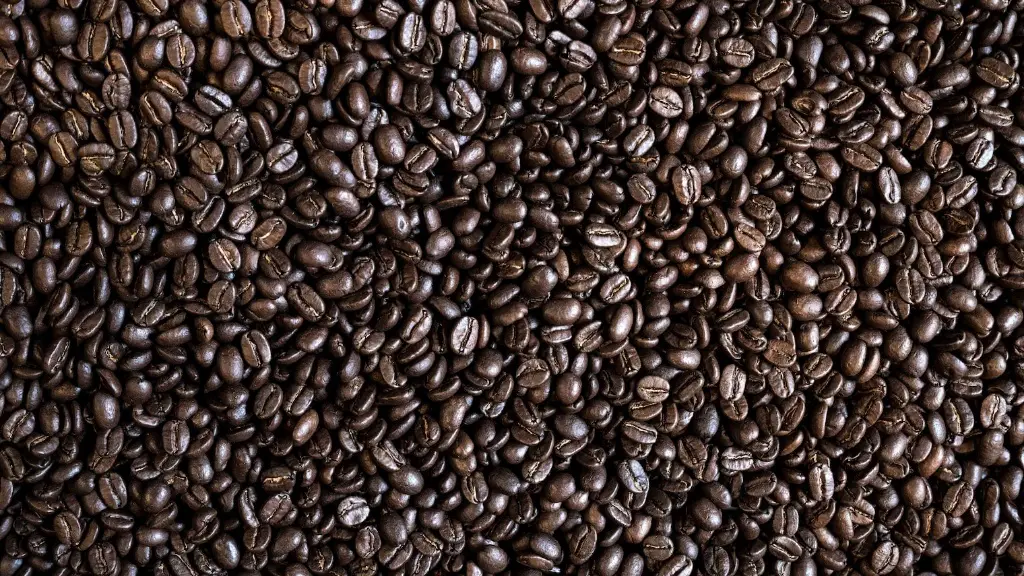
Coffee is a brewed beverage made from roasted coffee beans, which are the seeds of coffee cherries that grow on coffee plants. Coffee has a stimulating effect on the brain and is one of the most popular beverages in the world. The science and art of preparing coffee have been known since ancient times and vary greatly around the world. Coffee contains antioxidants, vitamins, and minerals, as well as vitamins and amino acids.
Can You Drink Coffee Twice a Day?
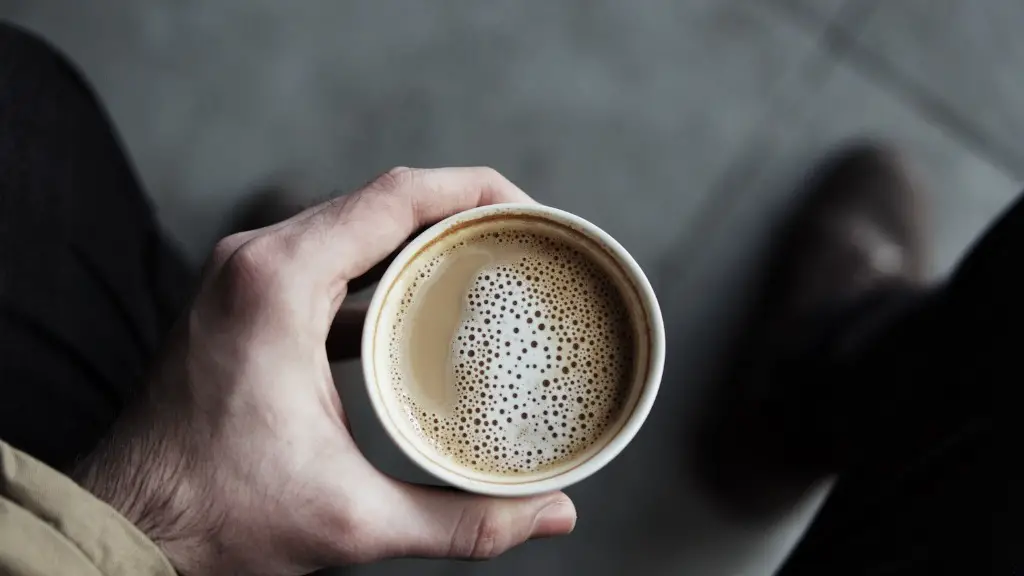
It is generally safe to drink coffee twice a day, however, moderation is key. According to the Centers for Disease Control and Prevention, adults should consume no more than 400 milligrams of caffeine per day, which is approximately four cups of coffee. Therefore, two cups of coffee per day are within moderate intake guidelines.
Most studies suggest that consuming up to four cups of coffee (or 400 milligrams of caffeine) per day appears to be safe for most people. Exceeding this amount may lead to related issues, including insomnia, headaches, restlessness, irritability, and a fast heart rate. Additionally, too much caffeine can increase your risk of dehydration and cause your body to lose important nutrients.
It is important to note that the amount of caffeine in coffee can vary based on the preparation method, type of coffee beans, and size of the serving. Therefore, if you are consuming coffee twice a day, the combined total daily amount should likely not exceed four cups or 400 milligrams.
How Coffee Affects Your Health
Coffee contains numerous beneficial compounds, including caffeine. Studies suggest that caffeine may help improve physical performance and alertness. Additionally, research suggests that caffeine may improve cognitive function, help reduce risk factors for certain types of cancer, and may help protect against Parkinson’s disease, type 2 diabetes, and liver disease.
Furthermore, regular coffee consumption has been associated with lower risk of mortality, heart disease, and stroke. Research suggests that the protective effects may be due, in part, to the antioxidants contained in coffee.
Despite the potential health benefits, emphasizing moderation is key. Moderation is also important because some of the beneficial compounds found in coffee may be unhealthy in high amounts. Therefore, drinking coffee twice a day should be done in moderation, with special attention to the size and preparation of each serving.
Drawbacks of Drinking Coffee Twice a Day
Coffee, like all stimulants, can have drawbacks if not consumed in moderation. Some of the potential drawbacks include increased heart rate, jitteriness, restlessness, and insomnia. Additionally, coffee can be addictive and can cause you to become dependent on it to function.
Furthermore, drinking coffee twice a day may cause an excessive amount of acid to build up in the stomach. This can increase the risk of digestive issues like heartburn and stomach ulcers. Coffee can also interfere with the absorption of important minerals and vitamins, including iron, and should not be consumed shortly before or after meals.
Conclusion
Overall, drinking coffee twice a day can be safe and beneficial for some people; however, moderation is key. Paying attention to the size of each serving, as well as the preparation method, is important to ensure that you don’t exceed 400 milligrams of caffeine per day. Additionally, it is important to be aware of the potential drawbacks, including addictive behavior and digestive issues.
Are There Alternatives to Coffee?
If you’re looking for an alternative to coffee, there are a variety of options available. Tea and decaffeinated coffee are two great options, as both contain beneficial compounds and are low in caffeine. Additionally, certain herbal teas and juices may contain small amounts of caffeine which may offer the same physical and mental benefits as coffee.
For those looking for a nutritional boost, certain smoothies and energy drinks can offer the same energy benefits as coffee, but with additional nutrients like protein, vitamins, and minerals. Additionally, miso and matcha are two traditional Japanese drinks that are becoming increasingly popular in the Western world. Both are high in antioxidants and low in caffeine, making them great alternatives to coffee.
Are There Benefits to Cutting Back on Coffee?
For those looking to reduce or cut back on coffee, there are many potential benefits, including improved sleep quality and reduced anxiety. Additionally, cutting back on coffee can give the body a much-needed break and allow it to recover from any potential issues caused by excessive caffeine intake.
Interestingly, reducing or eliminating coffee can help reduce cravings. This is because the body’s receptors become accustomed to the effects of caffeine, resulting in cravings for higher amounts of the stimulating compound. Reducing or cutting back on coffee can help the body recover from these cravings, allowing it to naturally reset.
Are There Risks to Cutting Back on Coffee Too Quickly?
Yes, it is important to note that reducing or eliminating coffee too quickly can result in certain risks. When the body is abruptly deprived of caffeine, a person may experience withdrawal symptoms, such as headaches, irritability, and cravings for caffeine.
To minimize risk of withdrawal symptoms it is important to gradually reduce coffee intake over the course of several weeks until the desired amount is reached. Additionally, it is important to replace lost coffee with other drinks, such as tea, decaffeinated coffee, herbal teas, and juices.
Managing Your Coffee Intake
Managing your coffee intake is essential to ensure that you remain within recommended guidelines. To help manage your coffee intake, it is important to pay attention to the size and preparation of each serving. It is also important to make sure that the combined daily amount of coffee does not exceed 400 milligrams or four cups of regular coffee.
In addition, it is important to know your individual tolerance and adjust accordingly. For example, if you start to feel restless or experience headaches, it is important to reduce the amount of caffeine consumptions. Lastly, it is beneficial to try alternatives to coffee, including tea, decaffeinated coffee, juices, smoothies, and traditional Japanese drinks.