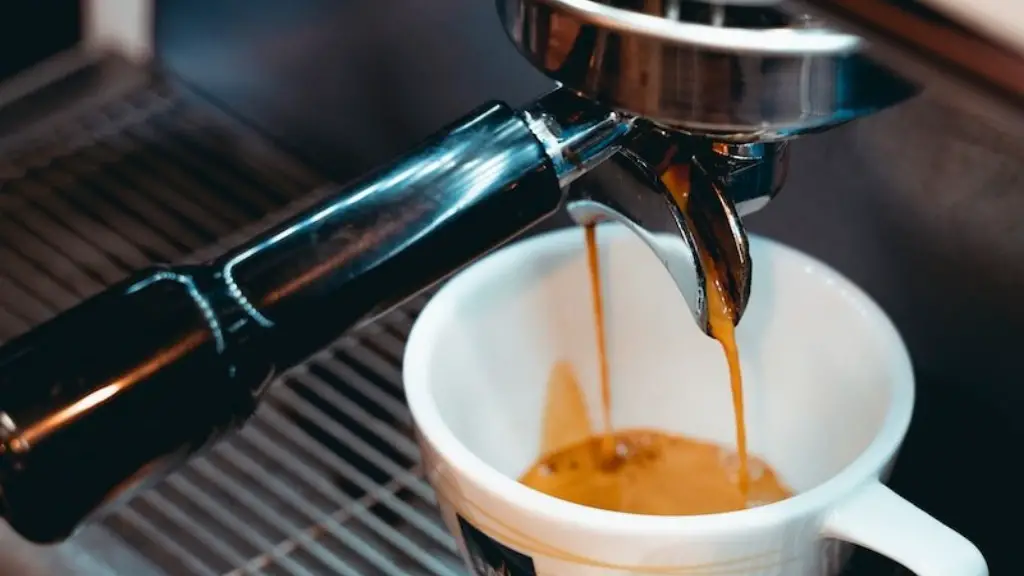
Is it Okay to Drink Decaf Coffee While Breastfeeding?
Decaf coffee can be a convenient beverage for breastfeeding moms as it avoids the risk of sleep disruption caused by caffeine. But is it safe for the baby? Whether you’re pregnant or already breastfeeding, it’s important to know how decaffeinated coffee may impact your baby’s health.
Studies show that caffeinated coffee has a mild potential for transfer into the milk supply of breastfeeding mothers, though the link is limited. Decaffeinated coffee, on the other hand, carries no such risks as the caffeine levels are lower. In addition, decaffeinated coffee has been found to have a potentially protective effect on the gastrointestinal system, which may help ease common baby discomforts such as colic, diarrhea and constipation.
Yet, as with any dietary supplement, not all decaffeinated coffees are created equal. Some makers may use chemicals to remove the caffeine, while others use a water-based method. Therefore, it’s important to know exactly how your brand of decaffeinated coffee was processed before giving it the ‘all clear.’

When it comes to consumption, experts recommend a daily limit of two to three 8-ounce cups of decaffeinated coffee per day. A standard cup size of decaffeinated coffee contains about 5-10 milligrams of caffeine, as compared to the 65 milligrams found in a cup of regular coffee. However, it’s best to consume decaffeinated coffee between meals, rather than alongside food, as certain long-chain fatty acids may be passed on through breast milk to the baby.
In some cases, mothers may be tempted to drink decaffeinated coffee without knowledge of their baby’s potential response. But if your little one seems more ‘energetic’ and struggles to settle, it could be due to the decaffeinated coffee. That’s why it’s important to assess the effects of the beverage and be mindful of any changes in your baby’s routine.
Overall, it’s usually safe for breastfeeding mothers to consume decaffeinated coffee, especially if it was processed with water as opposed to chemicals. But if you’re in any doubt, speak to your pediatrician before introducing a new drink into your diet.
Potential Side Effects of Decaffeinated Coffee
Though consumed within recommended guidelines, decaffeinated coffee can pose some side effects – both to breastfeeding moms and babies. For adults, the beverage might cause an upset stomach, heartburn, constipation or insomnia. Babies, meanwhile, may become fussy or gassy, experience problems with digestion or have a harder time sleeping.
However, side effects vary between individuals. If you suspect that your decaf coffee is causing distress to your baby, it could be a sign that the beverage does not suit you or your little one. In such cases, it’s important to consult a doctor about other decaffeinated alternatives.
Decaffeinated tea may be one option, although studies suggest that it may bring similar risks as decaffeinated coffee. If this is the case, consider looking for decaffeinated herbal infusions. These include chamomile, ginger, peppermint and fennel, all of which have calming effects and aid digestion.
Decaffeinated Coffee as an Initial Step
If you’re looking to transition away from caffeine, decaffeinated coffee can be a great place to start. As the studies suggest, decaf coffee carries none of the risks associated with conventional coffees, while providing the familiar taste and slightly bitter kick. With this in mind, decaf coffee can be an easy and convenient way to wean yourself off caffeine while still enjoying its taste.
You can also find decaffeinated coffee capsules that fit most models of coffee machines. This means you can conveniently produce easy, delicious drinks without worry. And if you prefer to switch between caffeinated and decaffeinated coffees, you can buy a combination pack that’ll make sure you can always have the perfect cup for any moment.
Withdrawing from Decaffeinated Coffee
If you decide to withdraw from decaf coffee, it’s likely that you’ll experience a caffeine withdrawal. This may manifest as fatigue, headaches, irritability and a lack of concentration. To combat this, consider cutting down gradually instead of excluding decaf coffee immediately. This way, your body can adjust more gently and you can still enjoy the convenience of decaffeinated coffee.
In addition, some moms may worry that their breastmilk supply may decrease due to lack of supplements or tiredness caused by caffeine withdrawal. To combat this, experts suggest breastfeeding regularly or making sure to give the baby adequate food and drink. Additionally, decaf coffee can still provide beneficial nutrients in the form of antioxidants and help keep you hydrated.
Health Benefits of Decaf Coffee
When consumed as part of a balanced diet, decaf coffee can offer a number of health benefits to both moms and babies. Drinking a cup of decaf coffee has been found to help boost metabolism, increase antioxidant levels and reduce the risk of cancer, heart disease, type 2 diabetes and neurodegenerative diseases.
Decaffeinated coffee can also help boost alertness, though caffeine won’t be present. This, combined with its convenience and relatively inexpensive price point, makes it an ideal choice for busy moms, especially those in need of a quick energy blast. Decaffeinated coffee also contains high levels of magnesium, a mineral that’s essential for calcium absorption and muscle, heart and nerve functioning.
Choosing a Decaf Coffee
When browsing for the right decaf coffee, there are things you can take into account to ensure quality and safety. The blend of beans used, the ‘Swiss Water Process’ all make a difference when it comes to health and taste, so it’s beneficial to do your research.
The ideal decaf coffee should also be organic and pesticide-free to avoid potential health risks. When making a purchase, a good tip is to identify what type of coffee beans the blend contains and look for certifications, such as Fairtrade, Rainforest Alliance or UTZ Certified.
Environmental Considerations of Decaf Coffee
For eco-conscious consumers, there are also environmental considerations when it comes to coffee. The conventional caffeine-reducing process used to decaffeinate coffee beans requires a certain amount of energy, water and chemicals. Therefore, it’s important to check that your brand of decaf coffee is sustainably sourced and fresh.
Organic and Fairtrade decaffeinated coffees are usually the best option in this regard. Alternatively, you could opt for a green decaffeinated coffee, as these will often be made from unroasted beans, helping conserve precious energy. And with specific coffees, you can even trace the origin of the blend, so you can determine how it was made.
Caffeine Alternatives
Finally, if decaf coffee isn’t for you, there are still plenty of caffeine-free drinks that provide a flavor boost. These include fruit and veggie combos – think oranges, grapefruits and carrot combinations – as well as oat milk, smoothies and homemade juices.
These can also provide valuable energy boosts while being easy to make. Plus, they often provide an array of added vitamins, minerals and fiber. Just remember to keep an eye on the sugar content in some manufactured juices, as they may contain higher levels of the natural sweetener.
