
Introduction
When it comes to drinking coffee while pregnant, expectant mothers may find themselves in a quandary, unsure what is best for their baby and themselves. While coffee has been a popular beverage worldwide for centuries, many people are unsure if drinking coffee is okay while pregnant. Therefore, this article will explore the question of whether it is okay to drink coffee while pregnant, presenting relevant data and perspectives from experts, together with the author’s own insights and analysis. Reading on, one can be informed and empowered to make the best possible decision for their baby and themselves.
Caffeine Intake and Pregnancy

Coffee is known to contain a stimulant known as caffeine, which is why it has been a popular beverage for so many years. Caffeine can cross the placenta from mother to baby, and a baby’s ability to metabolise and clear caffeine is immature, leaving them more vulnerable to the effects of caffeine. According to the Mayo Clinic, “… the American College of Obstetricians and Gynecologists (ACOG) recommends that pregnant women limit their caffeine consumption to fewer than 200 mg per day”.
Caffeine Effects on Pregnant Women
For pregnant women, the effects of caffeine on the body are also considered. Caffeine is a diuretic, causing the body to lose water, resulting in a decrease in blood flow to the placenta, which can potentially harm both the mother and the baby. Caffeine can also increase heart rate, blood pressure and body temperature which could be problematic for pregnant women who may already be coping with higher heart rate and blood pressure. Moreover, caffeine can also reduce the amount of iron absorbed from food, a concern for pregnant women who need increased amounts of iron to cope with their own needs and those of the baby. This can lead to anemia in the mother, as well as affect the baby’s growth and possibly the development of their nervous system.
Perspectives from Experts

Such potential risks have caused some experts to issue warnings about consuming coffee and other caffeine-containing beverages during pregnancy. The American College of Obstetricians and Gynecologists (ACOG) have warned pregnant women to limit their consumption of caffeine to fewer than 200mg per day. Other experts have suggested avoiding caffeine altogether during pregnancy. However, most of the literature in the field concludes that moderate consumption is likely not harmful, with some studies indicating that there is no correlation between moderate caffeine consumption (200-300 mg/day) and premature delivery, miscarriage or low birth weight.
The Bearer of Good News: Decaffeinated Coffee
Decaffeinated coffee is a popular option among pregnant women, with the promise of providing the taste and smell of coffee without the worry of too much caffeine entering the system. Decaf coffee is typically 97-99% caffeine-free and can provide some comfort for concerned pregnant women. On the other hand, some contend that decaf coffee still contains small amounts of caffeine, and thus may still be a potential risk. Decaf coffee is still made using coffee beans, thus contains elements of the original coffee. As such, some of the compounds that can interfere with iron absorption are still present in decaf coffee.
The Downside to Decaf
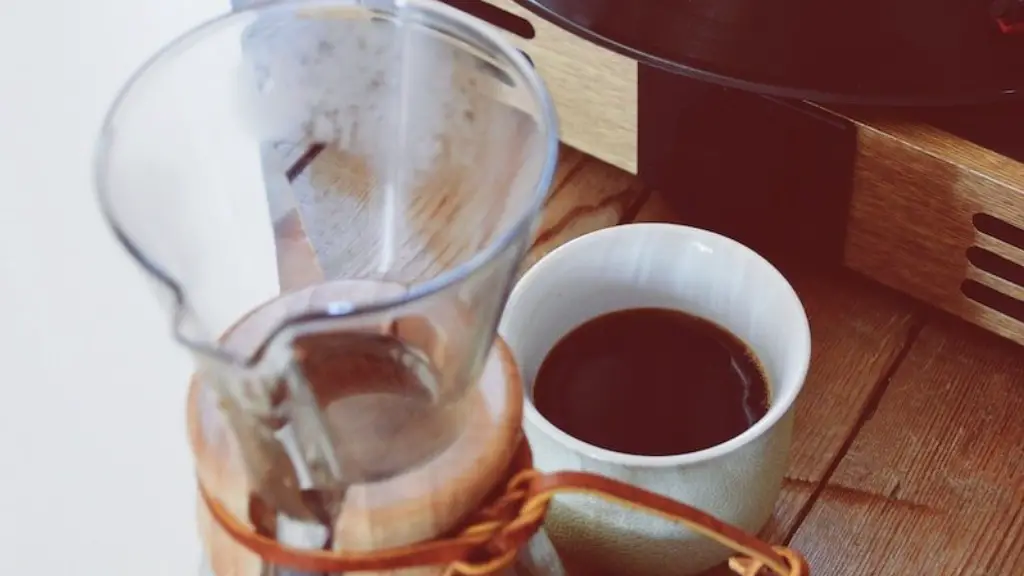
Some also warn against overconsumption of decaf coffee. Compounds present in coffee beans, as well as some compounds added during the decaffeination process, can lead to increased levels of calcium in the blood. This can be harmful to pregnant women, as increased levels of calcium can interfere with blood flow to the placenta and can affect the pregnancy in a negative way. This effect is likely to be more prominent in decaffeinated coffee due to the increased use of coffee beans used to make the beverage.
Final Considerations
In conclusion, the accepted wisdom is that coffee can be consumed in moderation while pregnant, although most experts suggest that pregnant women limit their coffee consumption to fewer than 200mg per day, or avoid caffeine altogether if possible. It should be noted that the effects of coffee on a pregnancy may vary depending on the individual, and thus it is best to consult one’s doctor before making a decision regarding coffee consumption.
Coffee Alternatives
An alternative to drinking coffee while pregnant is to switch to coffee-like beverages that are free of caffeine. Some great options include dandelion coffee, barley coffee, and chicory coffee. Furthermore, some herbal teas can be a great option for a good-tasting and caffeine-free beverage. These teas come in a variety of flavors, so it may take a bit of experimentation to find the right one for each individual. With many herbal teas available, there are a variety of benefits that can be enjoyed without the worry of caffeine intake.
What About Decaf?
Decaffeinated coffee can be consumed by pregnant women, although moderation is important. Decaf coffee contains compounds that can interfere with iron absorption, and there is some evidence that it can increase levels of calcium in the blood. As with any beverage consumption while pregnant, it is best to talk to one’s doctor and health care provider before deciding to drink decaf coffee.
Excessive Caffeine Intake
Experts advise pregnant women to avoid excessive caffeine intake, defined as more than 300 mg per day. Too much caffeine can lead to an increased risk of miscarriage and premature delivery, as well as a reduced birth weight.
The Bottom Line
In the end, it is important for expectant mothers to think about the possible risks and benefits of drinking coffee while pregnant. It is best to consult one’s doctor before making a decision and to bear in mind that the effects of coffee on pregnancy can vary depending on the individual – and that moderation is key.