
Is it Okay to Drink Coffee without Eating?
As with many things in life, the answer to this question is not simply black or white — there are shades of grey in between. Everyone’s body is unique and so the consequences of drinking coffee on an empty stomach vary depending on your individual medical history and dietary preferences.
In general, it’s beneficial to eat something before drinking coffee, however, the verdict is still out on the exact benefit of coffee on an empty stomach. Coffee drinkers should consider both the advantages and disadvantages before deciding whether or not to have it without food.
The caffeine found in coffee is a stimulant drug that can have a range of effects if consumed on an empty stomach. Following are some of the known effects that could occur if you drank coffee without eating:
- It can irritate your stomach, causing heartburn and indigestion.
- It can raise your blood pressure — an increase that could be more dramatic if you’ve skipped breakfast.
- It could cause headaches, jitteriness, or uncomfortable side effects from the caffeine.
- It could trigger an adverse reaction if you are especially sensitive to the caffeine.
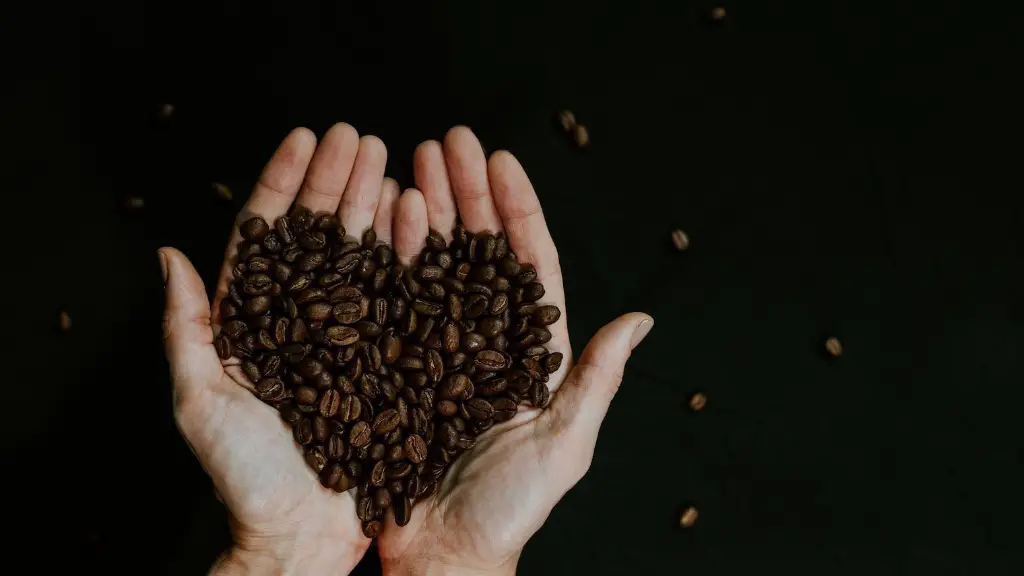
However, there are also some benefits that are associated with drinking coffee on an empty stomach. For example:
- It helps boost metabolism and increases alertness.
- It stimulates the central nervous system—which can lead to improved focus and creativity.
- It helps to kickstart the day, helping you feel invigorated and energised.
The experts are divided on this issue; while some ascertain that coffee shouldn’t be taken on an empty stomach, others simply suggest that it shouldn’t be over consumed or taken too close to bedtime since the caffeine may disrupt sleep.
In my opinion, I believe that it’s best to have something to eat before drinking coffee so that any potential side effects from drinking coffee on an empty stomach can be diminished. This can help reduce heartburn, headaches, or other unpleasant effects from the caffeine. That being said, if you are in need of a mental or physical boost, drinking only a cup or two of coffee with breakfast might not do any harm.
Coffee’s Nutritional Benefits
Other than providing a much-needed caffeine hit, there are a number of nutritional benefits associated with coffee. Coffee can provide antioxidants, which are responsible for many of the health benefits linked to these beverages. Antioxidants, which are found in brewed coffee and espresso, have been linked to reducing inflammation and preventing certain diseases.

Coffee also contains essential vitamins and minerals like Riboflavin (vitamin B2), magnesium, and niacin (vitamin B3). These vitamins and minerals are necessary for maintaining overall health and regular functioning of the body’s systems. Additionally, caffeine can also help to boost physical and mental performance.
The Dangers of Too Much Coffee
Despite its benefits, it’s important to remember that too much of anything can be bad for you. Coffee is no exception. The amount of caffeine and other compounds in coffee depends on the type, strength and serving size, but in general, excessively large amounts can have adverse effects.
Too much caffeine can cause jitteriness, shaking, difficulty sleeping, headaches, and a host of other symptoms. Caffeine can also raise your blood pressure, leading to the potential for long-term health complications. Additionally, it can be addictive, and can cause physical dependence. Despite its beneficial effect on alertness, too much caffeine can contribute to fatigue and exhaustion if consumed on a daily basis.
Alternatives to Coffee
If you’re looking for an alternative to coffee, there are a variety of non-caffeinated options which can give you a much-needed energy boost throughout the day. For example, opting for a herbal tea, matcha green tea, or even energising juices and smoothies like carrot and ginger juice, can provide both an energy boost and an assortment of essential vitamins and minerals.

Additionally, it’s important to remember that good nutrition and getting enough sleep play a key role in providing your body with the energy it needs throughout the day. So, eating a balanced diet, drinking plenty of water, and getting adequate restful sleep are essential elements to maintaining peak mental and physical performance.
How to Fully Enjoy Coffee in a Healthy Way
If you can’t imagine life without coffee, you don’t have to! You can still enjoy coffee without putting your health at risk. Here are a few tips for enjoying coffee the healthy way:
- Add milk, heavy cream, or coconut milk for added flavour and nutrition.
- Limit your caffeine intake to around 2-4 cups per day.
- Opt for organic and fair trade certified coffee whenever possible.
- To reduce the acidity of coffee, consider cold brewing or adding a pinch of salt.
Conclusion: To Drink Coffee or Not to Drink on an Empty Stomach
The decision to drink coffee on an empty stomach isn’t one that should be taken lightly. There are pros and cons to consider, and everyone’s needs and reactions to caffeine intake vary. If you do decide to drink coffee without eating, just remember to do so in moderation and to choose organic and fair trade certified coffee whenever possible. Additionally, having a healthy breakfast with your cup of joe is certainly an option to consider if you want to get a good start to your day.
