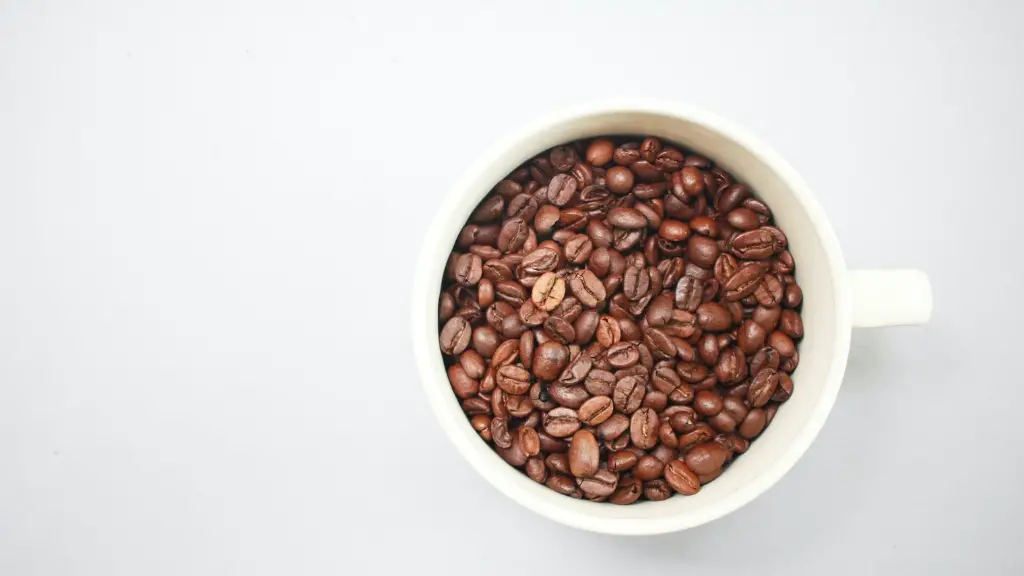
Coffee and Health
Coffee is one of the most popular beverages worldwide and is enjoyed in a variety of ways, from hot and cold to black, white and with milk. However, many worry about the health effects of drinking ‘regular’ coffee- does it have an impact on energy levels, mental clarity and physical health? As an alternative, for those who don’t want the caffeine kick, there is the option of consuming decaffeinated coffee, often referred to simply as ‘decaf’. But is it a safe option?
The benefits of drinking caffeinated coffee, with its high levels of antioxidants and health-boosting properties, are well known. Caffeine helps to stimulate the nervous system and can increase alertness and enhance physical performance while a number of studies suggest it can also improve cognitive function, helping boost mental clarity.
Despite these potential benefits, concerns remain about the risks associated with excessive amounts of caffeine. Overstimulation of the body by too much caffeine can lead to anxiety, headaches, irritability and restlessness. For this reason, many people opt to drink decaffeinated coffee, as it has been processed to remove the caffeine.
How is decaf produced?
Decaffeinated coffee is produced in two main ways: chemical solvent method and Switzerland water process. The chemical solvent method involves steaming the coffee beans, which open their pores and allow the caffeine to be removed. A chemical solvent is then applied to the beans, whereby the caffeine is absorbed and removed from the beans. While this process is effective, it leaves chemical residues on the coffee beans and therefore can slightly change the flavor of the coffee.
The Switzerland water process uses water to extract the caffeine from the beans, in much the same way as it does with wine or beer. This process is considered to be safer than the chemical solvent method as no foreign substances are introduced. Furthermore, it preserves the natural flavor of the coffee beans and therefore produces a delicious cup of coffee.
Is decaf safe to drink?
When it comes to decaffeinated coffee, the main issue is whether it is safe to drink. Most decaf coffees still retain at least some of the caffeine they started with, so there may still be health implications associated with drinking it, as over-consumption of caffeine is known to have negative effects on the body.
However, the amount of caffeine present in decaffeinated coffee is usually significantly lower than regular coffee – usually only 2-5% of the original caffeine content. Furthermore, research suggests that the beneficial properties of coffee occur from the antioxidants and nutrients it contains, rather than the caffeine content. It follows that decaffeinated coffee should still offer the benefits associated with coffee, albeit to a lesser degree. As a result, many nutritionists consider decaf to be safe to drink, or at least as safe (or unsafe) as drinking regular coffee in moderation.
Considering the alternatives
In terms of other options, there is the option of herbal tea, which offers a range of health benefits without the caffeine content of coffee. Non-herbal varieties such as oolong and green tea still contain caffeine, though far less than a cup of coffee – according to the Mayo Clinic, they contain between 10 and 50 mg of caffeine compared to 95 to 200 mg of caffeine in an 8oz cup of coffee.
Another alternative is chamomile tea, which has several benefits- in addition to a delicious flavor, many find it helps to relax them and make them feel more tranquil. Chamomile tea is completely caffeine free and can contain nutrients such as calcium, potassium and vitamins A and B. As such, it can offer many of the benefits of regular tea and coffee, without any added stimulants.
The verdict: Is it okay to drink decaf coffee?
The verdict on decaf coffee is that, in moderation, it is usually safe to drink. While it still contains some caffeine, the amount is usually much lower than in regular coffee and so shouldn’t have any of the negative side effects associated with excessive consumption. Furthermore, it offers many of the benefits of coffee, such as antioxidants and potential health benefits.
Of course, due to the lower caffeine content, it won’t provide an energy boost and the flavor may be slightly different compared to regular coffee. But for those looking for an alternative to regular coffee, decaf can certainly be a valid option.
The environmental impact of decaffeinated coffee
When discussing whether it’s okay to drink decaffeinated coffee, it’s important to consider the environmental impact of the process. Generally speaking, the production of decaffeinated coffee requires a large amount of energy to process the beans and much of this consumption is through electricity. As such, it’s important to use sustainable and renewable energy sources to increase the efficiency of the process and reduce the environmental footprint compared to other more intensive processes.
Thankfully, many companies producing decaf coffee are aware of this, and now use sustainable and renewable energy sources such as solar and wind, as well as more efficient methods, to reduce the waste and emissions associated with the process.
The effects of decaf on the flavor of coffee
Decaffeinated coffee will obviously have less of the caffeine kick than regular coffee, but it can also affect the flavor of the coffee. Generally speaking, decaffeinated coffee beans lose a bit of their flavor during the decaffeinization process and therefore don’t taste as rich and intense as regular coffee. However, for some people, this is still preferable and the flavor can still be enjoyable.
Furthermore, many producers now offer flavored decaf coffees. These can either be produced with added flavorings to the coffee grounds or by adding sweeteners or flavorings to the cup – the French Vanilla decaf is a popular choice for example. By doing this, producers have managed to create decaffeinated coffee varieties which have a unique and intense flavor without the added stimulants.
What are the alternatives to decaffeinated coffee?
For those who prefer to avoid coffee altogether, there are also a number of alternative options. Herb and fruit teas such as chamomile, rooibos, peppermint and ginger provide a delicious flavor without the stimulants, while they can also provide additional health benefits such as improved digestion and relaxation.
There are also healthy alternatives to coffee, such as green tea and matcha. Green teas are rich in antioxidants and known to improve mental clarity, while matcha tea is considered by some to offer even greater health benefits, such as increased energy levels, improved focus and better overall health.
How to choose the best decaf coffee?
When selecting decaf coffee, there are a few key things to look out for. The first, and perhaps most important, consideration is the method used for the decaffeinization process. As mentioned before, the Swiss water process is considered to be safer and more environmentally friendly, as it requires no foreign substances, so it is worth looking for coffees which have been produced in this way.
The second consideration is the flavor. While as mentioned, decaf coffee won’t taste as strong as regular coffee, there are still a range of flavors to choose from. Consider the type of beans used and how they were roasted, as well as any additional flavoring added. Also, if possible, try a sample of the coffee before buying to ensure it meets your personal preferences.
Overall, the key question of whether it’s okay to drink decaf coffee is broadly a ‘yes’. While it still contains caffeine in some form, the amount is usually minimal, so it shouldn’t have any of the adverse side effects associated with over consumption of regular coffee. And of course, it still provides many of the benefits associated with coffee, such as antioxidants, with the addition of often being a more environmentally efficient process than regular coffee production.
