Coffee: a liquid energy source and a milestone of modern civilization. It is seen in almost every workplace, bar, cafe, and home. Despite its widespread appeal and long history, one burning question remains – how much coffee is too much? To answer this question, it’s important to understand the physiological processes behind drinking coffee.
Caffeine, the stimulant drug found in coffee, works by inhibiting an enzyme in the brain that normally breaks down a substance called adenosine. As adenosine builds up, it helps trigger feelings of tiredness, making caffeine a powerful fatigue-fighter. When caffeine blocks the activity of this enzyme, it boosts energy and alertness levels.
However, caffeine can be dangerous when consumed in large quantities. It has been found to lead to insomnia, anxiety, nausea, digestive problems, tremors, and in rare cases, heart palpitations. The recommended safe daily caffeine intake is just 400mg, approximately four cups of coffee. It is important to note that energy drinks, soft drinks and other supplements containing caffeine can increase the risk of side effects.
For those who don’t watch their caffeine intake, there can still be long-term health risks. A study conducted by the National Institutes of Health found that heavy caffeine users were prone to heart problems such as increased blood pressure and rapid heartbeat. There’s also an increased risk of type-2 diabetes and Alzheimer’s disease. Although these risks are quantitatively low, it’s still something to consider before indulging in large quantities of coffee.
Some experts believe that coffee can actually have positive health benefits. For example, coffee’s antioxidant properties help counteract free radicals in the body, which can cause cellular damage and lead to disease. Studies also suggest that coffee can reduce the risk of certain types of cancer and improve muscle performance. And of course, coffee is an excellent source of energy to power through long days at work or a late night study session.
Despite the foregoing benefits, coffee isn’t for everyone. For those who are particularly sensitive to the effects of caffeine, drinking too much coffee can lead to negative health effects. People who are pregnant, breastfeeding, or have a pre-existing medical condition should also exercise extra caution when consuming coffee. As always, consulting a doctor is the best solution.
Caffeine Alternatives
If drinking coffee is not an option, there are other sources of caffeine available. Caffeinated products such as tea, energy drinks and even chocolate can give a boost of energy. Be careful, however, as these products can still contain significant amounts of caffeine and often have other ingredients that may lead to negative health impacts.
For those in search of a natural but still-caffeinated alternative to coffee, there are several sources from which to choose. Kombucha, guayusa, and green tea all contain natural forms of caffeine without all the extra additives. If caffeine is just not an option, non-caffeinated beverages such as herbal teas, juices, and sparkling water can provide you with a refreshing substitute.
Since different people have different tolerances, it’s important to practice moderation when it comes to caffeine consumption- even when it comes to coffee. Start your day off with a cup or two, but try to avoid binging on entire pots of coffee. Pay attention to how your body feels and make sure to limit your caffeine intake so it doesn’t take a toll on your health.
The Power Of Plant-Based Coffee Alternatives
If coffee is having a negative effect on your lifestyle and health, there are some great options for avoiding the caffeine content of coffee altogether. Plant-based coffee alternatives such as chicory root, dandelion and rye are all tasty alternatives that are caffeine-free and packed with beneficial prebiotics that nourish the gut. These plant-based alternatives not only offer a delicious alternative to the morning brew, but can reduce the risks of experiencing any adverse effects of caffeine.
Using natural and organic ingredients, these coffee alternatives are free from chemicals, artificial additives and preservatives so not only are they healthier than coffee, they are also much better for the environment. Most of these plant-based alternatives provide a great opportunity to stay away from caffeine, while still getting the fantastic taste and aroma of coffee with natural ingredients.
So if you’re looking to cut back on caffeine, switching to plant-based coffee alternatives is a smart move. Not only are they packed with health benefits, but they offer a great tasting alternative to the traditional cup of joe. With all the great tasting eco-friendly products out there, there’s no reason to risk your health with excess caffeine.
The Risk Of Over-Caffeination
When it comes to caffeine, it’s important to be aware of when you’ve had enough. Experiencing the adverse effects of over-caffeination is a risk endurance athletes take on when relying the stimulant for energy and performance boosts. When your body is dehydrated, which is often the case for athletes, the effects of caffeine on the body are magnified. This can lead to headaches, nausea, irritability and dehydration.
It’s important to remember that caffeine affects everyone differently and that everyone has different levels of tolerance. Even if you’re used to drinking a moderate amount of coffee, it’s not unusual to experience the adverse effects of caffeine if you’ve gone overboard. It’s important to be aware of your limits, and the effects that caffeine can have on your body.
In general, caffeine should be treated like any other drug, and it’s important to practice moderation. Too much caffeine can be just as dangerous as too little, and it’s important to understand how to handle caffeine responsibly. If you’re an athlete or you’re using caffeine as an energy boost, always be sure to drink plenty of water and to take frequent breaks from the stimulant.
Coffee Runoff: A Double-Edged Sword

Coffee runoff is the water that is left over after making coffee. It is rich in dissolved organic material and nutrients which can be beneficial to the environment if properly managed. It is a great fertilizer for plants and helps to reduce overall water consumption. It can also help to reduce water pollution and leaching, helping to ensure that chemicals don’t end up in our water sources.
Unfortunately, caffeine also leeches into the runoff, leading to potential contamination of ecosystems and increased toxicity in the water. Recent studies have found that coffee runoff is even more concentrated in caffeine than coffee beans before brewing, meaning that it can cause even more damage to aquatic life. Some experts believe that coffee runoff is to blame for the plummeting numbers of amphibians and other aquatic species in some waters.
In order to reduce the impact of coffee runoff, there are some steps coffee-drinkers can take. Coffee grounds can be mixed in with other waste such as food scraps, or mixed into the soil for increased nutrient absorption. Compost bins can also be used to safely dispose of any leftover coffee grounds. It’s also important to dispose of any coffee runoff responsibly, by avoiding dumping it in waterways or other bodies of water.
The Benefits Of Cold Brew
For those looking for a way to enjoy their morning coffee without the added risk of excess caffeine, cold brew might be the answer. Cold brew coffee is prepared by steeping coffee grounds in cold or room temperature water for 12-24 hours and then straining off the coffee ‘tea’. This process results in a bolder, smoother taste and significantly reduces the caffeine content although the flavor profile is quite different.
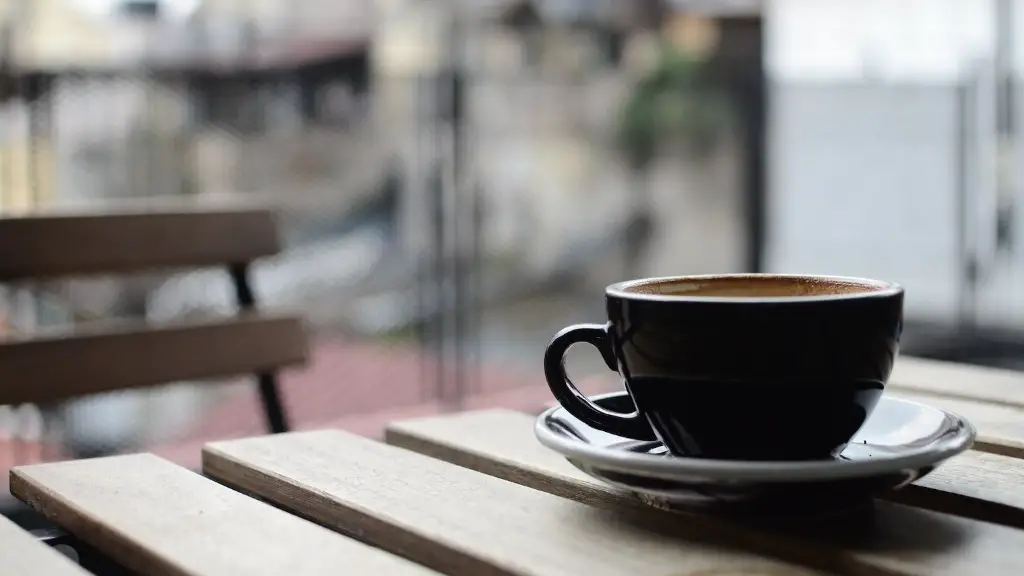
Because cold brew removes some of the bitter flavors of normal coffee, it has a much milder taste than regular coffee. The lower acidity level of cold brewed coffee also makes it a much better option for those with sensitive stomachs- who don’t want to risk the negative effects of caffeine. And with so many pre-made cold brew options, it’s an easy and convenient way to enjoy a great cup of coffee, without the caffeine overload.
For those in search of an easy and tasty way to limit their caffeine consumption, cold brew coffee is a great option. Whether you’re looking to reduce caffeine intake or avoid it completely, cold brew is a great solution. Not only is it a great way to get your morning caffeine fix, but it also offers a wealth of health benefits that regular coffee just doesn’t provide. So if you’re looking for an enjoyable alternative to regular coffee, cold brew is definitely a great way to go.
