
Pregnancy is a time of immensephysical and emotional changes, not just for the expecting mother but alsoetymologically for everyone around them. It is therefore important for pregnantwomen, who love their morning cup of coffee, to understand exactly how muchcaffeine they can have before it causes any harm to them or their unborn child.
The amount of caffeine a pregnant womancan consume without any harm to her baby, is currently a controversial subject.The American College of Obstetricians and Gynecologists (ACOG) and theNational Health Service (NHS) in the UK, both recommend that pregnant womenlimit their daily caffeine intake to 200 mg per day.
Many studies have suggested that highlevels of caffeine intake during pregnancy can lead to various health risks,such as an increased chance of miscarriage, malformation of the fetus and lowbirth weight, however there remains much debate around this topic. According toa review carried out in 2019 by the British Medicine Journal, higher levelsof caffeine intake during pregnancy are more likely to be associated withcomplications, such as fetal growth Restriction, than those at lower levels.
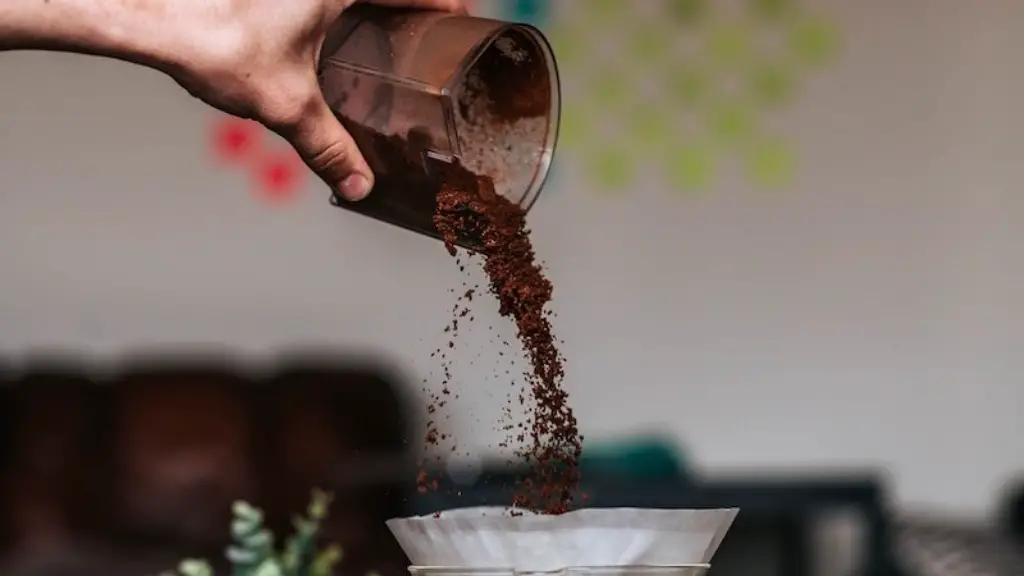
It has been suggested that if pregnantwomen are struggling to give up caffeine then they should have their cups ofcoffee only after eating a meal, as this will slow down the absorption of caffeineinto the body. There are many alternative options that pregnant women can drinkinstead of coffee. These include decaffeinated coffee, herbal teas, low-caffeinatedrinks such as fruit juices, milkshakes and smoothies, or sparkling water.
Over the years, many experts anddoctors have conducted research in this field, leading to various perspectivesand theories.Studies from Harvard in 2002, discovered that pregnant women who consumedcoffee and other caffeinated products, in excess of 200 mg per day, had ahigher chance of having pregnancy complications such as a miscarry rate of 22%.As mentioned earlier, ACOG and NHS do not advise pregnant women to drink morethan 200 mg of caffeine a day, therefore it would be wise for pregnant women tolimit their caffeine consumption to remain within this advised range.
As a whole, the consumption ofcaffeine during pregnancy is something that needs to be understood, monitoredand controlled properly. It is wise for pregnant women to pay attention to theirdaily caffeine consumption by checking the labelling on drinks and food. Anysign of the presence of caffeine should be understood as a warning, forbiddingadmission. There is still plenty of research to be done in this field, and it isimperative for pregnant women to be mindful about the amount of caffeine they areconsuming.
Carrying out home tests
It is now possible for pregnant women to test their owncaffeine levels at home. Companies such as Caffeine Plus have developed at-homepregnancy tests that measure the caffeine level within the body. The test comesin the form of a urine sample and when sent off to the companies lab, theresults are usually expected within a matter of days. This is a great healthymovement, as this encourages pregnant women to be aware of their caffeineintake, as well as gives them the opportunity to test their own results.
Timing of caffeine consumption

Because caffeine is a stimulant, it can take a few hours for it toleave the body completely. This means that pregnant women should avoid havingany coffee after 3.00 pm as it may prevent them from falling asleep. It isimportant to get a good night’s rest during pregnancy, as this can reduce therisk of miscarriage or gestational diabetes. Studies have shown that pregnantwomen who suffer from continuous lack of sleep, tend to have higher cortisollevels which can increase the risk of complications, such as miscarriage orpremature birth. Therefore, limiting the amount of caffeine in their diet andtiming when they drink it, can help to manage the risk of complications.
Recommended caffeine-free alternatives
For those pregnant women wanting to go entirely caffeine free,there are plenty of alternatives on offer. Some of the most popular alternativesare herbal teas, sparkling water, smoothies and even decaffeinated green tea.Smoothies are particularly useful as they are packed with essential vitamins andnutrients that are needed during pregnancy. By replacing the morning cup ofcoffee with a smoothie, pregnant women can still enjoy something caffeine freewhilst avoiding any potential complications.
Alternative methods of managing caffeine withdrawal
Having to give up caffeine during pregnancy may cause immense fatigue and feelings of irritability for many pregnant women, as caffeine is a powerful stimulant. When it comes to managing the withdrawal symptoms of caffeine, many health professionals recommend that pregnant women use self-care practices, such as meditation, self-reflection and engaging in regular exercise as these can help to reduce stress and anxiety.
Managing cravings in pregnancy
Giving up caffeine in pregnancy can cause cravings for thestimulant, however it is important for pregnant women to find healthy waysto manage those cravings. This could mean trying to fulfil your craving withdecaffeinated products or replacing your morning cup of coffee with a smoothie,which can be equally satisfying and energizing. Simple acts such as waiting alittle longer to drink a cup of coffee, or drinking it with a meal, can helpto reduce your intake.
Weight gain during pregnancy

During pregnancy, caffeine can act as an appetite stimulant, causingpregnant women to consume more calories than usual. For this reason, limitingyour intake of caffeine in the early stages of pregnancy can help you to controlweight gain. Studies have found that women who consume more caffeine earlyin their pregnancy are more likely to experience excessive weight gain during thattime.
The effect of caffeine on mental health
Studies have shown that expecting mothers who drink excesscaffeine during pregnancy, may be at risk of suffering from mental health issuesafter the birth of their child. Higher concentrations of caffeine have beenlinked to increasing levels of postpartum depression in some women. For thosetrying to limit their caffeine intake, taking regular breaks from caffeinateddrinks can help to reduce the risk of mental health issues.
