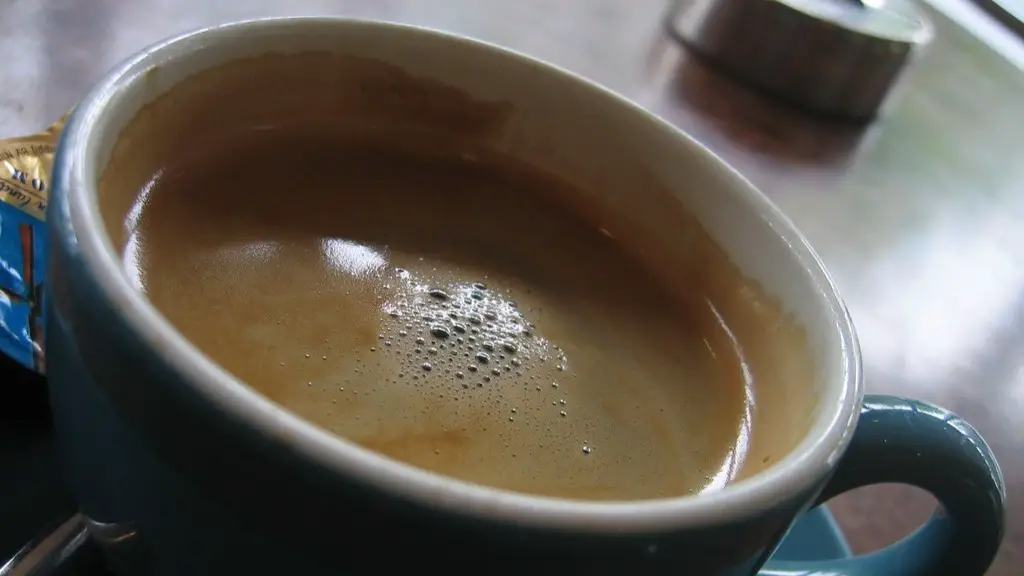
Coffee without the Buzz
When you’re a coffee lover, you may be used to the buzz from the caffeine in regular coffee. But when it comes time to switch up what you’re drinking, there’s decaf. Decaffeinated coffee is a great alternative for those who don’t want the effects of caffeine but still want to enjoy a cup of coffee.
Decaffeinated coffee came about in Germany in 1906 when Ludwig Roselius developed a process of decaffeinating coffee beans by steaming green coffee beans with a saline solution and then washing them in benzene. After World War I ended, Roselius converted the process to use indirect heat with the help of solvents such as methylene chloride, thus making decaffeinated coffee popular.
During the decaffeination process, both natural and chemical processes are employed. Natural processes used today involve steaming and treating the beans with a hot water solution in order to remove the caffeine. The beans are then washed in a solvent until most the caffeine is removed. Afterward, the beans are dried and roasted.
Unlike the natural processes, chemical processes involve using solvents such as methylene chloride or ethyl acetate. All of these processes are deemed safe to consume, but the natural process be perceived as “healthier” because it uses hot water. Regardless of the process used, no residual solvents should remain in decaf coffee.
Studies have shown that decaf coffee can be beneficial, regardless of the lack of caffeine. In fact, decaf coffee still contains plenty of beneficial compounds, such as phenolic compounds and antioxidants, that are beneficial to our health.
Most studies have shown that decaf coffee can reduce the risk of developing type-2 diabetes, Alzheimer’s disease, Parkinson’s disease, and liver cancer. In addition, it has been shown to reduce levels of LDL cholesterol—aka the bad cholesterol—improve glucose tolerance, and reduce insulin resistance.
If you’re still wondering why you should choose decaf coffee over regular coffee, you should consider how much caffeine you typically take in. Caffeine can affect everyone differently, but too much of it can cause jitters, difficulty sleeping, hypertension, headaches, and fatigue. Going decaf may help you avoid caffeine’s more negative side effects.
Health Benefits of Decaf Coffee

Decaf coffee provides a number of health benefits, even without the caffeine. Recent research has revealed that studies have found that decaf coffee can lower the risk of certain types of cancer, as well as reduce the risk of type-2 diabetes, Alzheimer’s disease, Parkinson’s disease, and liver cancer. Decaf coffee also has been linked to a reduction in bad cholesterol levels.
Decaf coffee is also a great alternative for those who are sensitive to caffeine because it still contains healthy compounds found in coffee such as antioxidants, minerals, vitamins and other beneficial compounds. Some of these compounds have been linked to a reduced risk for cancer, heart disease and other medical conditions.
In addition, decaf coffee can help reduce stress and improve overall energy levels despite the lack of caffeine. It can also help improve focus and concentration and provide a mild boost to the immune system. As a natural source of dietary fiber, decaf coffee can help promote healthy digestion, as well as potentially boost metabolism.
Safety of Decaf Coffee
When it comes to consuming decaf coffee, there is no need to worry about safety issues as long as it is made with natural processes and no residual solvents remain in the coffee. In general, decaffeinated coffee is considered relatively safe for most people, even for those who are sensitive to caffeine.

However, if you experience any adverse side effects from drinking decaf coffee, you should limit or stop consuming it altogether. Most of the common types of adverse reactions to decaf coffee are due to the presence of byproducts, such as oils and acids, that are released during the roasting process. This can cause digestive issues, headaches and insomnia in some individuals.
It is also important to note that decaf coffee is not entirely free of caffeine; the decaffeination process only removes the majority of the caffeine, not all of it. On average, decaffeinated coffee contains between 2-5 milligrams of caffeine per cup.
Caffeine Free Alternatives to Decaf
If you’re not a fan of decaffeinated coffee, there are other types of non-caffeinated drinks available. You can try herbal teas, which are packed with antioxidants, vitamins and minerals that can have beneficial health effects. There are also a wide variety of caffeine-free sodas, juices and sports drinks available.
One of the best alternatives to decaf coffee is chicory root tea. This tea is brewed from the roots of the chicory plant and is a great substitute for regular coffee. It has a slightly different flavor than regular coffee and is low in caffeine, making it an ideal choice for those who want the flavor of coffee without the buzz.
Another excellent option for those who don’t want the effects of caffeine is dandelion root tea. This tea is made from the roots of the dandelion plant and has a slight bitter flavor. Studies have found that dandelion root tea can help improve liver health, reduce inflammation and even lower blood sugar levels.
In Summary
Decaffeinated coffee is a great alternative to regular coffee for those who don’t want the effects of caffeine. It is made with natural and chemical processes that are deemed safe to consume and can provide plenty of health benefits. Studies have found that decaf coffee can reduce the risk of certain medical conditions and boost the immune system. Additionally, decaf coffee is not entirely free of caffeine and may still cause adverse reactions for some individuals.
Conclusion
At the end of the day, it is ultimately a personal choice to drink decaf coffee. Everyone experiences different effects from caffeine, so if you find that regular coffee is causing you adverse side effects, switching to decaffeinated coffee may be a good option. Decaffeinated coffee can provide plenty of health benefits, and many alternatives are available for those who don’t want the buzz of a coffee.